
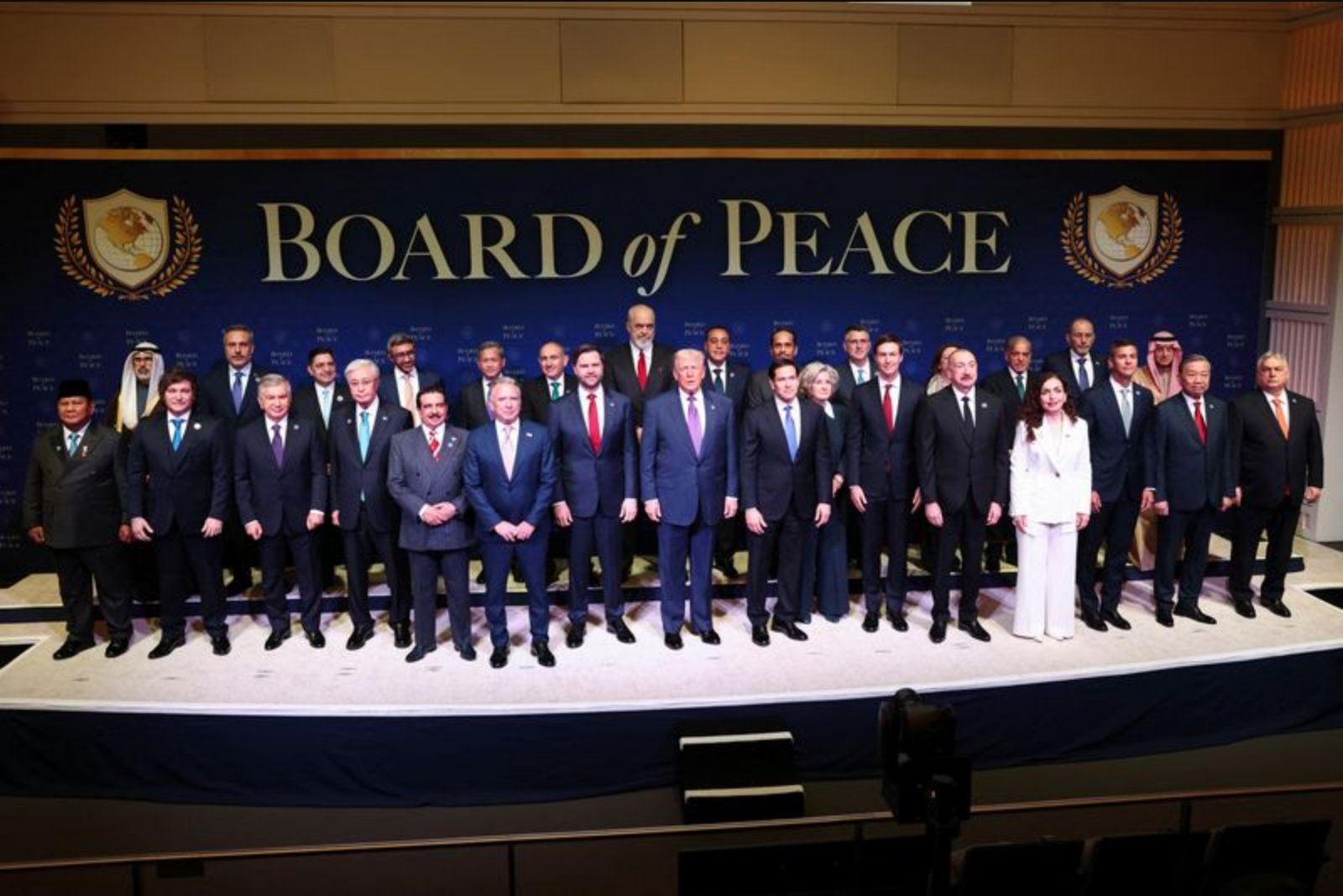
Rep. Jamie Raskin, the senior Democrat on the U.S. House Judiciary Committee, has formally challenged the U.S. Patent and Trademark Office over its recent trademark filings related to Republican President Donald Trump’s Board of Peace.
In a letter sent to USPTO Director John Squires, Raskin said the agency’s decision to file trademark applications for the board’s name and logo appeared to have been "used to conceal the existence of legal and financial structures designed to funnel money to the President for his unilateral use." He added that it raised "serious concerns" that the government agency, rather than representatives of the board itself, submitted the trademark filings.
The House Judiciary Committee has scheduled an oversight hearing on the USPTO next Wednesday. Raskin has demanded information from the office about who directed the agency to file the applications and the rationale behind that decision. Spokespeople for the USPTO and the White House did not immediately respond to requests for comment.
The filings in question were made in January, when the USPTO applied for two new trademarks covering the "Board of Peace" name and logo. According to the agency, examiners have not yet begun reviewing those applications.
Raskin characterized the board as operating like an "unsupervised international slush fund" for President Trump. The board’s own charter states that it undertakes "peace-building functions in accordance with international law," and its envoys met with Hamas representatives this past weekend in an effort to safeguard the Gaza ceasefire.
President Trump first proposed the Board of Peace in September when he set out his plan to end Israel’s war in Gaza. The board’s charter specifies that member states would have three-year terms unless they pay $1 billion each to fund the board’s activities and secure permanent membership. The board’s official X account listed more than two dozen countries as founding members, including Washington’s principal Middle Eastern allies.
The USPTO is the federal office that issues trademarks for use in commerce. Trademarks - including brand names, logos and slogans - identify the sources of goods. The office itself owns seven active trademarks tied to its name and initiatives, making the January filings notable because federal agencies rarely take this step on behalf of politically charged projects.
Raskin also warned of a legal risk he sees in the administration’s move, suggesting the trademarks could be used to sue critics for infringement. "Trademarks exist to protect consumers and businesses," he wrote. "They do not exist to silence objectors to a governmental administration."
Context: The inquiry centers on who actually controls and benefits from the Board of Peace and why a federal trademark office would file applications for the entity rather than outside representatives. The scheduled House Judiciary oversight hearing next week will examine the USPTO’s decision-making and the circumstances that led to the agency’s filings.