
The coming week offers investors a concentrated set of signals on global growth, inflation and political risk. Markets will be watching U.S. labour market data, an OPEC+ meeting on crude quotas, China’s policy priorities, and Japanese debt auctions — with geopolitical stress and domestic politics in Mexico adding further volatility. Policymakers and traders will also be mindful of tariff debates in the United States as they weigh asset allocations ahead of the Federal Reserve’s March decision.
1/ Labour data: one more test before March
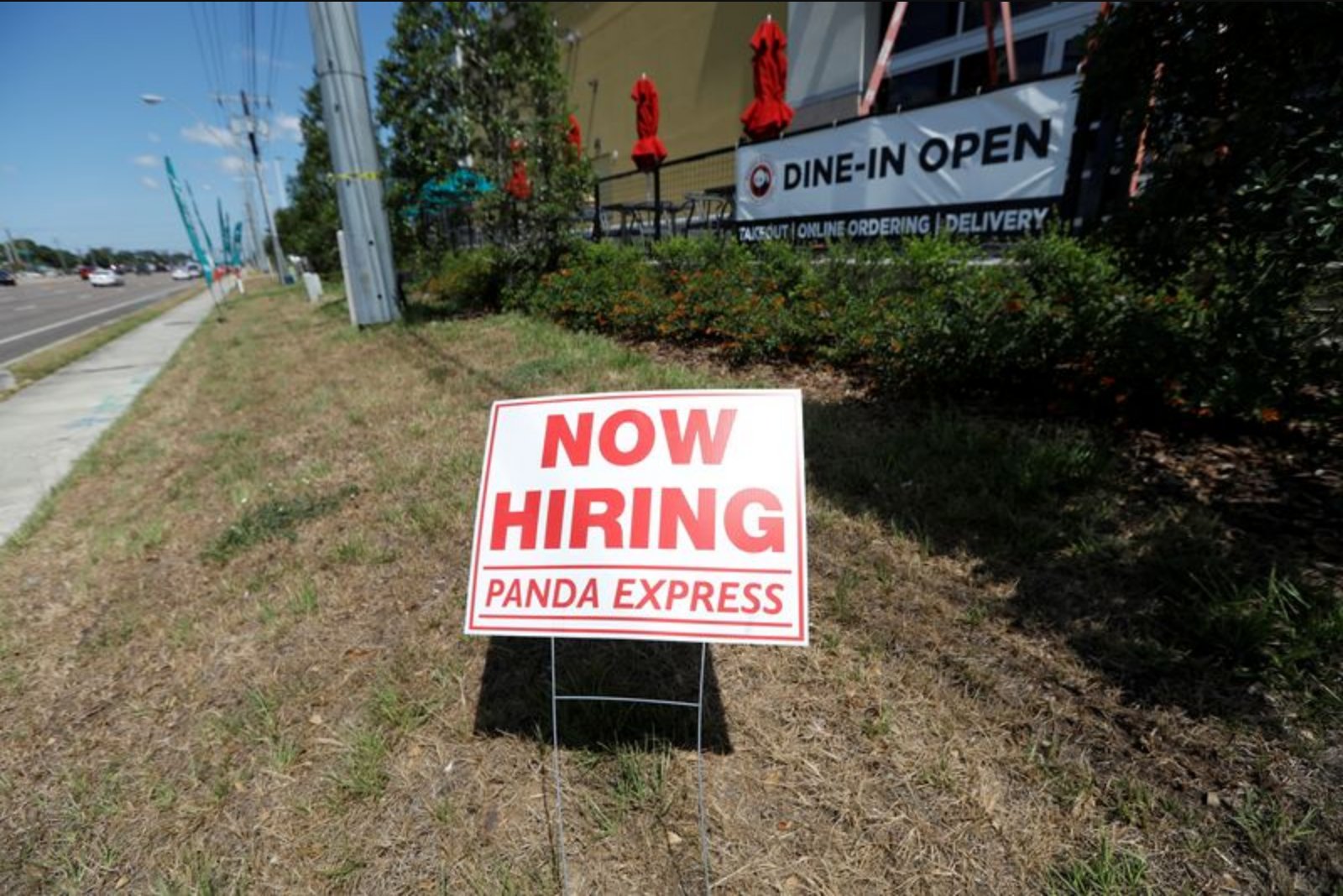
Friday’s U.S. employment report is the last major data point before the Federal Reserve convenes in March and will be closely parsed for evidence that January’s surprise strength was an anomaly or part of a trend. According to a Reuters poll, economists expect payrolls to increase by 60,000 in February, following a 130,000 gain in January when the unemployment rate edged down to 4.3%.
Alongside the headline payrolls figure, market participants will monitor forthcoming reports on manufacturing and services activity, as well as January retail sales, for a fuller read on domestic demand. Attention is also focused on how developments in artificial intelligence could influence labour markets and broader economic dynamics — a factor repeatedly referenced as markets consider the persistence of tighter-than-expected employment conditions.
2/ Crude realities: geopolitics, OPEC+ and consumption dynamics
Oil markets remain sensitive to geopolitical developments, with U.S.-Iran tensions keeping traders on edge and creating periodic spikes in risk premia. Over the weekend some members of the OPEC+ coalition, which includes Russia, reviewed production plans, while oil prices have climbed roughly 17% so far in 2026 to reach levels not seen since last July.
Higher oil prices provide relief to exporting countries but threaten to constrain global demand. The International Energy Agency is forecasting an almost 4 million barrels per day surplus in 2026, reasoning that elevated crude costs will damp consumption. That outlook also highlights a limitation for OPEC+: the IEA expects much of any incremental supply to come from an "American quintet" — the U.S., Canada, Brazil, Argentina and Guyana — none of which are part of OPEC+ and therefore outside its direct production control.
3/ Beijing and Tokyo: policy signals from Asia
Two of Asia’s largest economies will deliver signals that markets will use to reassess global growth and safe‑haven demand. In Beijing, the National People’s Congress will set official targets for growth, inflation and spending. At December’s planning conference, Chinese policymakers pledged to maintain a "proactive" fiscal stance aimed at boosting consumption and investment, and markets will be seeking clarity on how those intentions translate into concrete targets and measures.
In Tokyo, the government will test demand with sales of 10‑year and 30‑year government bonds. Yields on those maturities spiked to historic levels in January amid concerns that Prime Minister Sanae Takaichi’s stimulus plans might be excessive. Although volatility subsided for a time, it resurfaced when Takaichi’s government nominated two dovish academics to the Bank of Japan’s board, reintroducing uncertainty into expectations around monetary policy and bond market stability.
4/ Heightened tensions and shifting safe havens
Geopolitical anxiety has resurfaced as a primary driver for investors, with prices of traditional safe‑haven assets reflecting growing unease. Gold has been incrementally rising as market participants gauge the prospects for talks between the U.S. and Iran to avert military escalation. That anxiety now factors into decisions across a widening range of assets, with the dollar and U.S. Treasury securities especially scrutinised.
Political developments in Washington also add to market uncertainty. President Donald Trump has said he will replace tariffs overturned by the Supreme Court with other levies, a stance he restated in his State of the Union address, keeping trade policy and its ripple effects on corporate margins and global supply chains on investors’ radars. As these stresses accumulate, traditional relationships between asset classes are under review and definitions of what constitutes a safe‑haven or a risk asset are being challenged. Current focus falls on oil and gold today, but markets acknowledge the set of pressured assets could change rapidly.
5/ Mexico’s domestic turmoil: political reform and security risks
In Mexico, markets will be monitoring political developments after the killing of the country’s notorious drug lord "El Mencho" last weekend. On Monday, Congress will consider a bill proposing a 25% reduction in spending on electoral processes. The package of reforms would cut public financing for political parties, restrict daily television and radio time for campaigns, require labels for AI‑generated content, ban bots, eliminate consecutive reelection from 2030, and cap pay for elected officials and electoral staff.
Opposition leaders warn the reforms could undermine the democratic system, and passage is far from certain: the bill needs two‑thirds approval in each congressional chamber. That constraint leaves President Claudia Sheinbaum’s Morena party reliant on its Labor and Green Party allies, both of which have voiced reservations. These governance questions come as Mexico prepares for important trade negotiations under USMCA and as security concerns persist, with reports that disgruntled cartels could instigate greater violence — an additional layer of risk for investors monitoring the region.
Across regions and asset classes, the week ahead collects a mix of economic data and politically charged events that together will influence central bank and investor calculus. From payrolls in the United States to OPEC+ deliberations, China’s policy roadmap, Japan’s bond auctions and Mexico’s political reforms, the lineup offers multiple inflection points — each capable of moving markets depending on how closely the incoming signals align with prevailing expectations.