
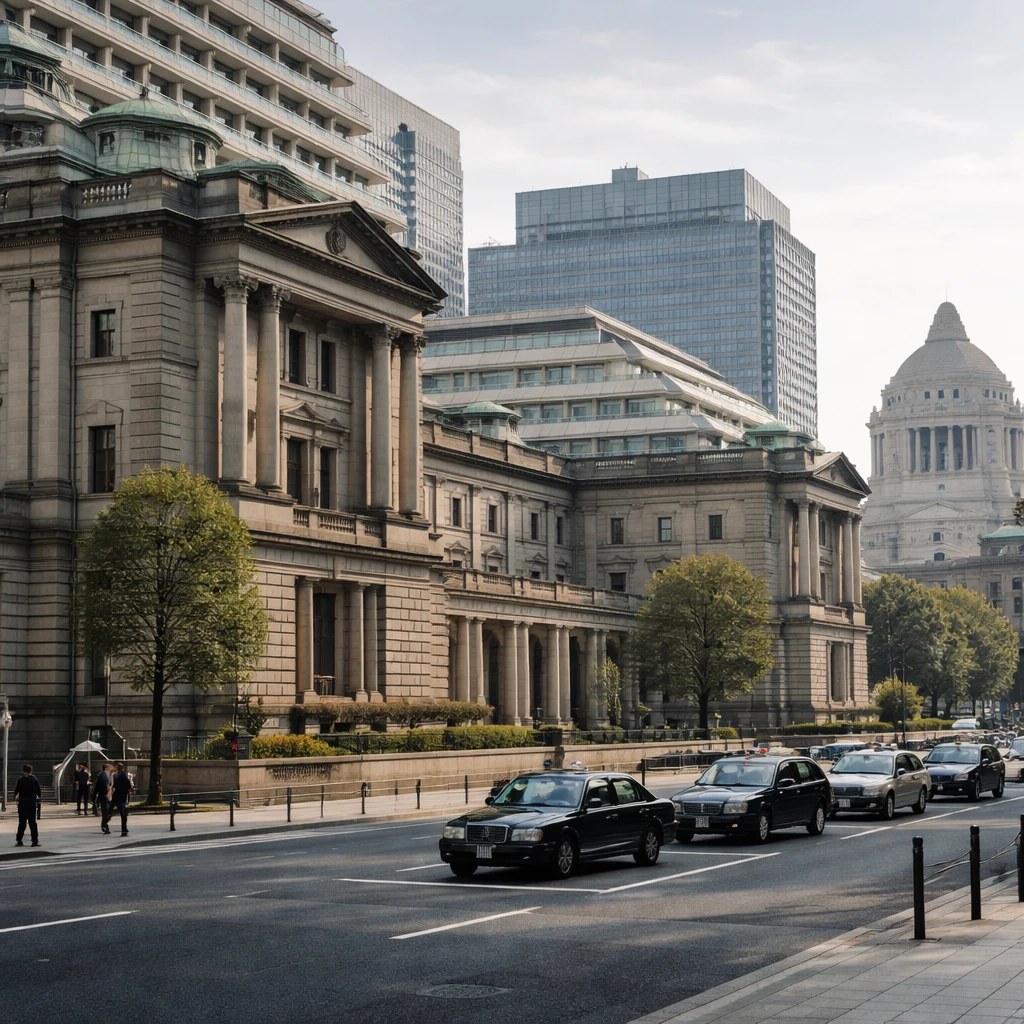
Japanese Prime Minister Sanae Takaichi faced renewed scrutiny over her posture on monetary policy when an opposition lawmaker pressed the finance minister about whether the prime minister had sought to influence Bank of Japan decisions to delay further interest-rate increases.
The line of questioning followed media reports that Takaichi had expressed reservations about additional tightening during a meeting last month with BOJ Governor Kazuo Ueda. Though the central bank is legally independent, it has historically been subject to political pressure to either expand stimulus or to take steps that blunt unwanted yen weakness associated with rate moves.
During the parliamentary exchange Finance Minister Satsuki Katayama said she had nothing to add beyond Ueda’s comments to reporters after the meeting, including the point that the prime minister had not made any specific policy request. Katayama told lawmakers: "In general, specific monetary policy means fall under the jurisdiction of the BOJ. I believe it ought to be that way."
Katayama went on to say she hoped the BOJ would continue cooperating with the government to achieve stable 2% inflation that is not driven by cost-push shocks but comes with wage gains. She added: "I'm sure the prime minister feels the same."
The finance minister declined to expand on the matter, calling it highly "sensitive" and said it revolved around balancing two legal clauses: one that guarantees the BOJ’s autonomy in setting monetary policy and another that requires the bank’s decisions to remain "mutually compatible" with government economic policy.
Policy context matters: the BOJ raised its short-term policy target to 0.75% in December, the highest level in 30 years, on the assessment that Japan was close to sustainably attaining its 2% inflation target. Governor Ueda has signaled the bank’s readiness to continue raising rates, while not specifying the timing of any further moves.
Complicating the BOJ’s decisions is the escalating conflict in the Middle East. Surging oil prices connected to that conflict pose a threat to Japan’s economy, which relies heavily on fuel imports, and add to existing inflationary pressures. Those dynamics could affect the timing and scale of future rate increases and carry implications for inflation, the currency and sectors sensitive to energy costs.
Summary - Reports that Prime Minister Takaichi expressed concern about further BOJ tightening prompted parliamentary questions. Finance Minister Katayama said the prime minister made no specific policy request and emphasized the legal balance between BOJ independence and policy compatibility with the government. The BOJ is positioned to raise rates further after lifting its short-term target to 0.75% in December, while higher oil prices tied to the Middle East conflict complicate decisions.