
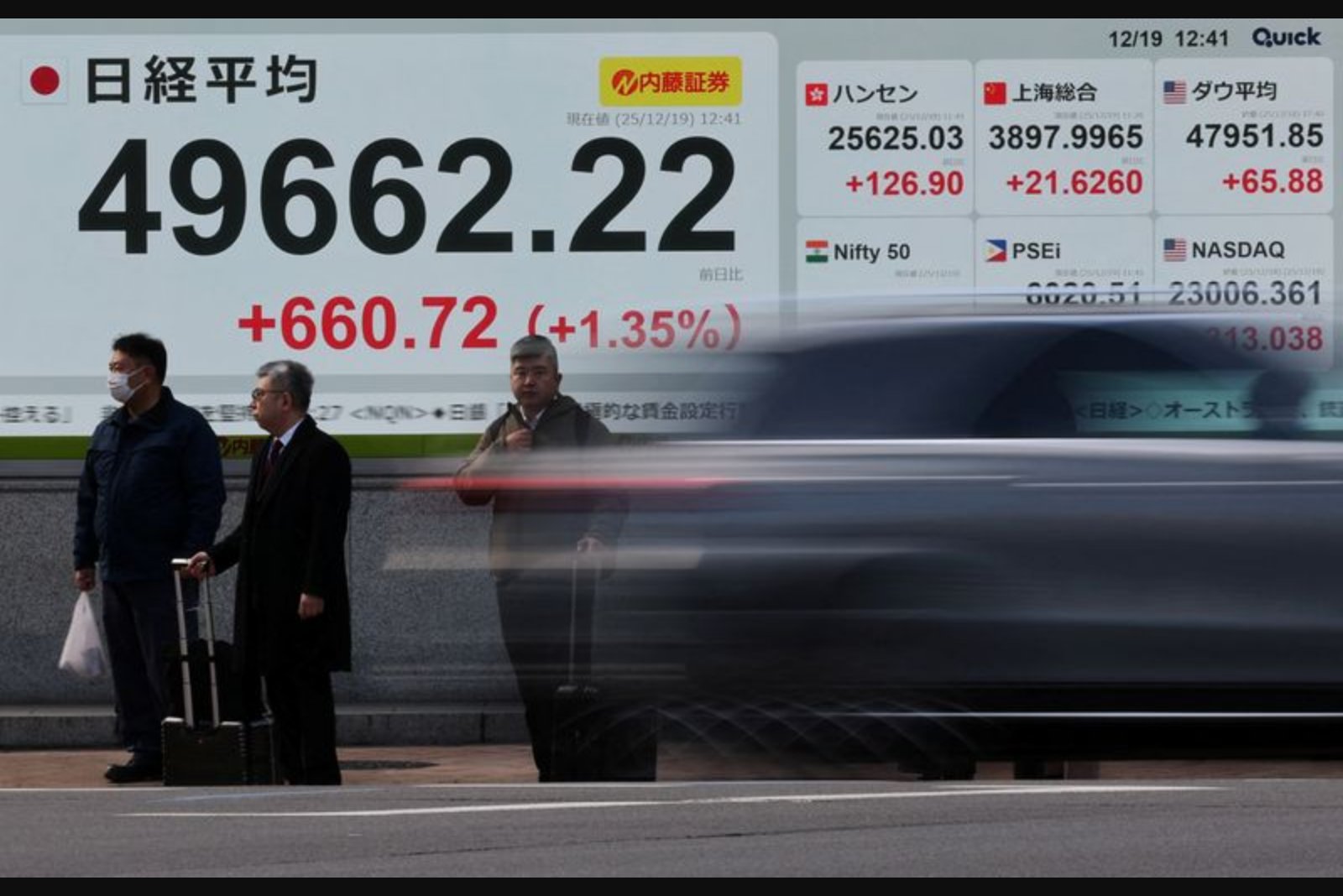
Japan’s financial markets are poised for a renewed phase of volatility now that Prime Minister Sanae Takaichi has secured a decisive electoral victory, giving her an explicit mandate to pursue economic reflation. The result is likely to revive the market pattern dubbed the 'Takaichi trade' - a combination of surging domestic equities, rising Japanese government bond yields and a softer yen that has been in place since she rose to the premiership.
Voters turned out despite heavy snowfalls across Tokyo and other regions, delivering what exit polls indicated was the most emphatic win for Takaichi’s Liberal Democratic Party since 1996. The outcome reduces the need for coalition bargaining with opposition groups and strengthens Takaichi’s ability to set economic priorities.
"The stock market is a true believer in Takaichi, so the big win is going to be good news for equities when the markets open on Monday," said Chris Scicluna, head of research at Daiwa Capital Markets Europe.
Takaichi has identified with the late premier Shinzo Abe’s 'Abenomics' approach and has committed to proactive fiscal measures financed largely through increased bond issuance. Her rise to prime minister began in October, and in the months since markets have priced in expectations of looser fiscal policy and targeted government investment in priority sectors.
That market positioning has contributed to the Nikkei 225 reaching record territory. With polls already pointing toward a strong showing for the Liberal Democratic Party, the Nikkei set an all-time high of 54,782.83 earlier this week. Sectors singled out by Takaichi for targeted investment - including defence, artificial intelligence and semiconductors - have been notable beneficiaries of the rally.
Yet the prospect of larger government spending has renewed investor unease about Japan’s elevated public debt load, the largest among developed economies. Those concerns surfaced sharply on January 20, when yields along the JGB curve surged to multi-decade or record highs after Takaichi called a snap election and floated suspending the sales tax on food. At the same time, the yen has come under pressure, weakening roughly 6% against the dollar since Takaichi became prime minister in October and reaching record lows versus the euro and the Swiss franc.
Only the threat of coordinated currency market intervention with the United States has been sufficient to check the yen’s decline. Market participants expect the dynamics of stock gains, exchange-rate moves and rising yields to interact closely.
"The size of Takaichi’s victory means the Takaichi trade will revive, which means JGB yields will be under upward pressure," said Naoya Hasegawa, chief bond strategist at Okasan Securities. "The move of the yen, stocks and bond yields will affect each other. If the yen falls rapidly, yields will tend to rise."
Even so, some recent market calm has emerged as investors weighed assurances that stimulus would be managed responsibly. Demand at recent debt auctions has held up, and 30-year JGB yields have retreated 31.5 basis points from their record high of 3.88% reached on January 20.
Analysts remain attentive to how Takaichi balances pro-growth initiatives with concerns over rising borrowing costs. "We assume Takaichi will continue to strike a delicate balance between proactive fiscal policy and fiscal discipline," said Shigeto Nagai of Oxford Economics in Tokyo. He added that while Takaichi appears determined to use the fiscal space created by inflation-driven tax revenues, she is also likely to be wary of further upward pressure on JGB yields.
For investors, the central question is whether the newly consolidated political mandate will be translated into expanded stimulus plans that further fuel gains in equities but also place upward pressure on yields and weigh on the yen, or whether policy will follow a more measured path to limit financial-market disruption.
Summary - Prime Minister Sanae Takaichi’s landslide electoral victory strengthens her mandate to pursue reflationary policies, reinvigorating market moves that have lifted the Nikkei to record highs while pressuring JGB yields and weakening the yen. The scale of the win reduces the need for cross-party compromises and raises the possibility of expanded fiscal initiatives funded by bond issuance, though recent market signals suggest some investor confidence that stimulus will be managed responsibly.
Key points
- Takaichi’s victory gives her political latitude to advance reflationary policies, supporting the revival of the 'Takaichi trade'. Markets impacted: equities, fixed income, foreign exchange.
- The Nikkei 225 reached an all-time high of 54,782.83 amid investor optimism for targeted government investment in defence, AI and semiconductor sectors.
- JGB yields and the yen have moved sharply since October - JGB yields spiked on January 20 and 30-year yields have since fallen 31.5 basis points from a 3.88% peak; the yen has weakened about 6% versus the dollar.
Risks and uncertainties
- Higher government bond issuance to fund fiscal measures could sustain upward pressure on JGB yields, affecting borrowing costs across the economy and financial institutions.
- Continued yen depreciation risks further currency volatility, which can influence import costs and corporate earnings, particularly for companies exposed to foreign-currency funding.
- Investor concern over Japan’s high public debt could produce periods of market stress if confidence in fiscal management wanes, impacting demand at future debt auctions and thrusting yields higher.