
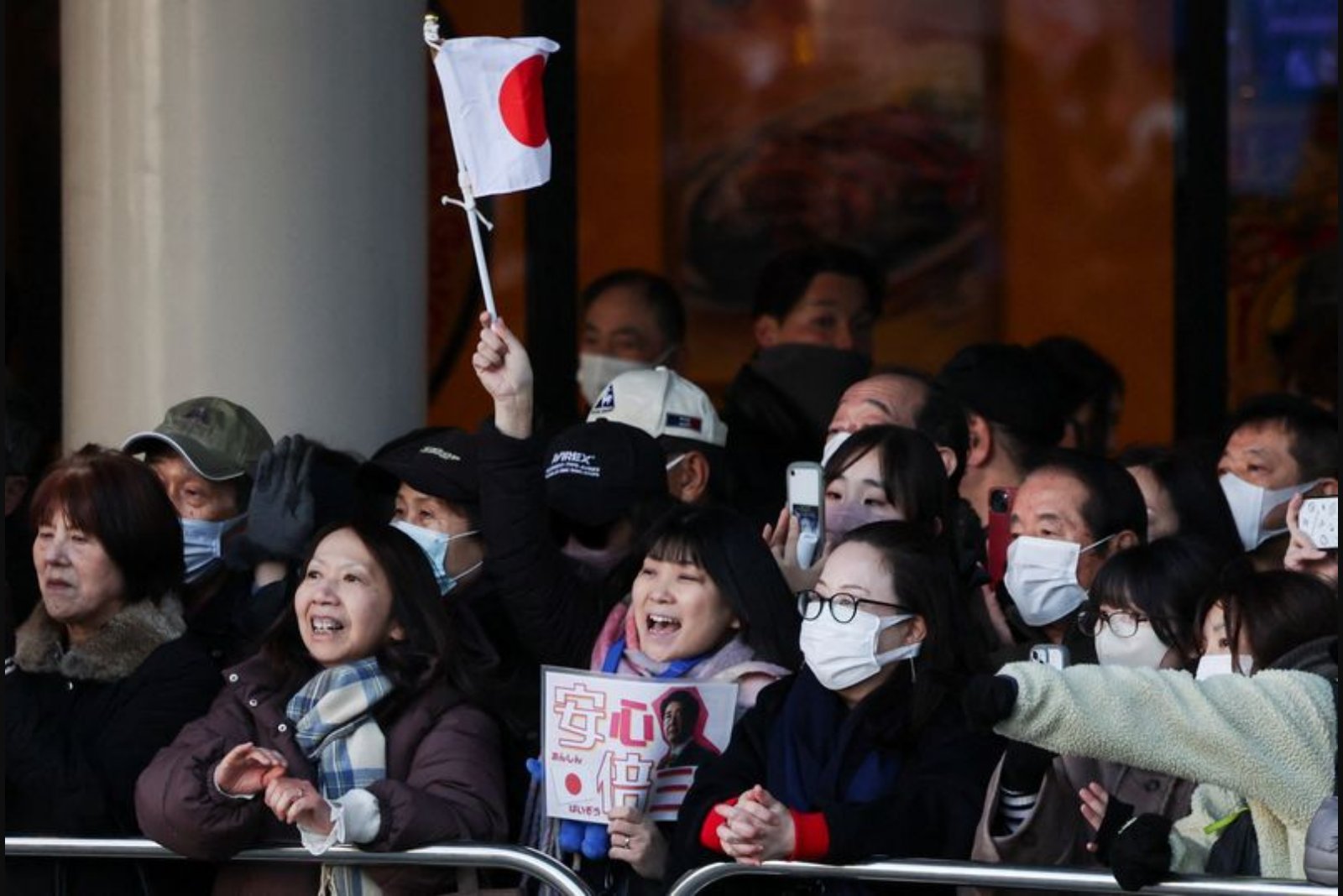
TOKYO, Feb 6 - Japan is holding a national election on Sunday in which Prime Minister Sanae Takaichi, the country’s first female leader, is seeking to convert a slim governing margin into a more durable parliamentary advantage. Polling released last week indicates the conservative Liberal Democratic Party (LDP) and its coalition partner, the Japan Innovation Party (Ishin), are positioned to win a markedly larger number of seats in the 465-member lower house.
The potential size of any victory will shape how easily Takaichi can set the government agenda, deliver budget measures and pursue security policy changes. This analysis reviews the outcomes to watch, the financial-market reactions tied to campaign promises, and the voter and geopolitical dynamics that could determine how much authority the new government emerges with.
Winning margin and parliamentary mechanics
Survey results published last week suggest the LDP-Ishin coalition could secure roughly 300 seats in the lower house. That would represent a substantial increase from the narrow majority Takaichi now holds. Analysts point to two key thresholds:
- If the coalition reaches 261 seats, it would achieve an absolute stable majority that permits control of parliamentary committees and makes passage of legislation and budget measures considerably easier.
- A super-majority of 310 seats would provide the coalition the capacity to override the upper house on votes where the coalition does not hold a majority there.
The stakes are clear: failing to secure a lower house majority would, by the prime minister’s own account, precipitate her resignation.
Fiscal plans that unsettled markets
A major campaign pledge from Takaichi to help households cope with rising prices has been to suspend the 8% sales tax on food. That proposal triggered a market selloff last month as investors questioned how an economy with one of the highest public-debt burdens among developed countries would absorb an estimated 5 trillion yen annual reduction in revenue.
Market participants have been closely scrutinizing the prime minister’s implementation details for clues about whether bond markets and the currency could remain stable. The earlier market reaction included selling of Japanese government bonds and sharp downward pressure on the yen. If the election campaign and ensuing policy moves rekindle investor concern and spark another market rout, the prime minister’s ability to rely on monetary authorities to step in may be limited.
Youth support and turnout dynamics
Opinion polling indicates younger voters are among Takaichi’s strongest supporters, whereas older generations have historically made up the LDP’s main electoral base. Her relatively modest background, nationalistic tone and use of social media have resonated with some younger citizens who are frustrated with prolonged economic stagnation.
Her personal brand — including public attention to accessories associated with her — has become a cultural talking point in the campaign, helping her connect with a demographic that has been disengaged from politics. Whether this translates into actual ballots will be decisive: turnout among young voters in recent elections has been much lower than among older cohorts. For example, in the previous general election just 36% of 21- to 24-year-olds in Tokyo voted, compared with 71% of those aged 70 to 74. The extent to which younger citizens turn out on Sunday could determine the scale of any LDP-Ishin gain.
Relations with China and security ambitions
A clear and decisive victory would strengthen Takaichi’s hand in an increasingly tense relationship with China, according to current and former Japanese officials. Weeks into her premiership she set off a major diplomatic dispute by outlining possible Japanese responses to a Chinese attack on Taiwan. A broad mandate could also speed efforts to enhance Japan’s military capabilities, a move that Beijing has criticized as an attempt to revive a more militaristic posture.
Far-right party gains and shifting discourse
The far-right Sanseito party, fielding a record 190 candidates, could expand its parliamentary presence from just two lower-house seats to around 15, based on the polls. Sanseito built momentum in last year’s upper house election by campaigning on strong warnings about immigration and by attracting notable youth support. While it would remain a small force, its growth has contributed to a rightward shift in Japan’s political conversation, mirroring trends seen in other advanced democracies.
Weather and logistical challenges to turnout
Weather presents another factor that could influence voter participation. This is the first mid-winter lower house election since 1990, and record snowfall has affected parts of northern and western Japan while even dusting Tokyo, producing minor traffic disruptions. In some remote areas polling stations will close early so ballots can be transported to counting centres on schedule. Historically, turnout in Japanese elections has been lower than in many other advanced democracies, hovering around 55% in recent votes, and the winter conditions could suppress participation further.
The election will determine not only the composition of the lower house but also how readily the government can implement fiscal measures and pursue security initiatives amid investor scrutiny and regional tensions. Observers will be watching seat counts relative to the committee-control and super-majority thresholds, market reactions to fiscal proposals, the turnout patterns of younger voters, and whether snowfall dampens participation in key districts.