
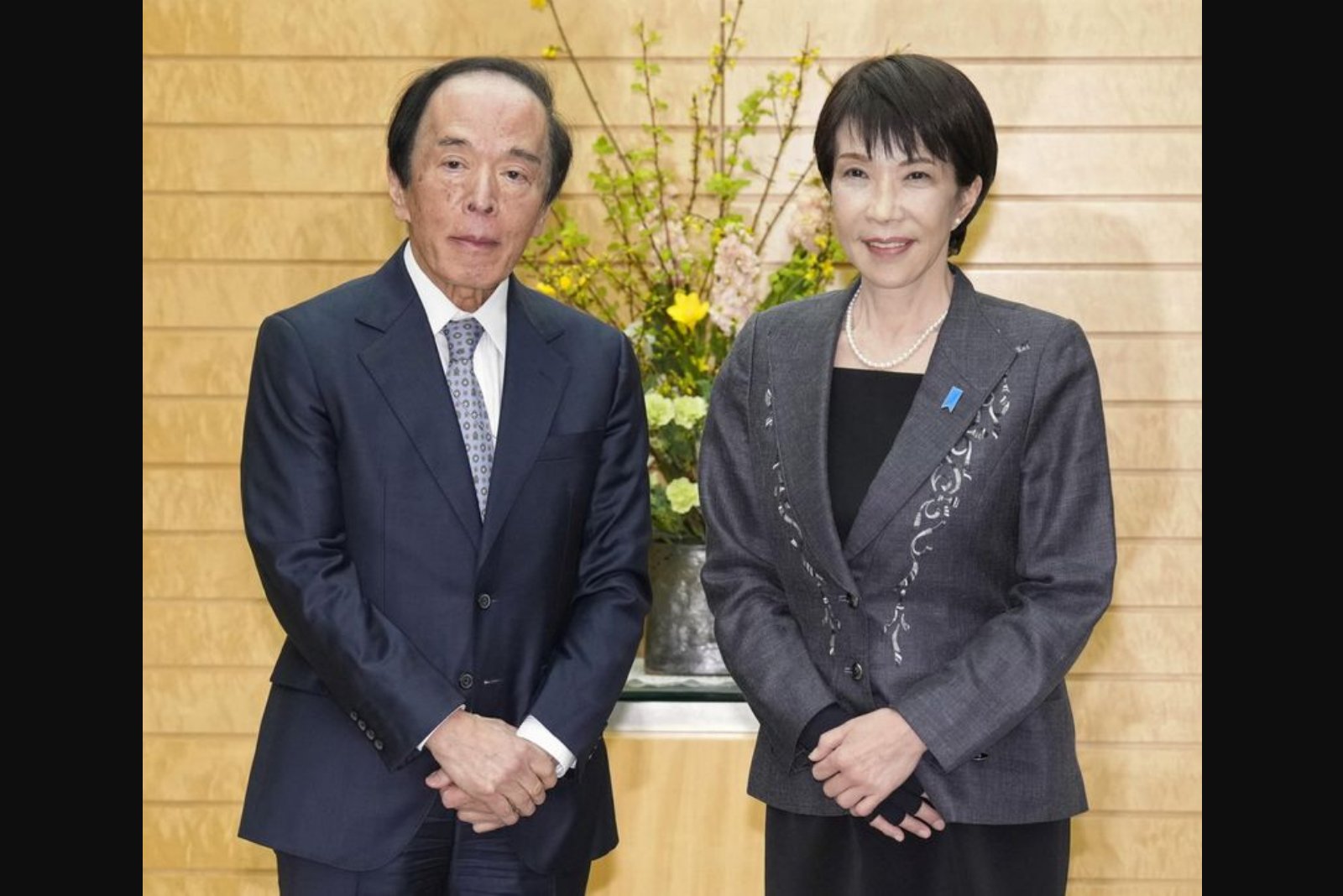
Japanese Prime Minister Sanae Takaichi expressed reservations about further interest rate hikes during a meeting with Bank of Japan Governor Kazuo Ueda last week, the Mainichi daily reported, citing multiple unnamed sources. That account, if accurate, suggests a possible source of friction between Japan's government and its central bank at a time when coordination between the two institutions is under renewed scrutiny.
Market reaction was swift: the yen weakened against both the U.S. dollar and the euro after the report surfaced. The move underscores how sensitive currency markets are to any signals that might alter the pace or scale of BOJ monetary tightening.
Governor Ueda described the meeting, which took place last Monday, as a general exchange of views on economic and financial developments and said Prime Minister Takaichi had not made any specific monetary policy requests. Takaichi herself has been circumspect about the contents of their discussion, saying only that she hoped the central bank would work closely with the government to achieve a sustained 2% inflation target accompanied by wage gains.
The Bank of Japan declined to comment on the Mainichi report. Japanese Economic Revitalisation Minister Minoru Kiuchi also declined to comment on the meeting during a press conference, while reiterating his preference that the BOJ collaborate closely with the government.
The meeting occurred amid growing market speculation that the rising cost of living - in part linked to a weak yen - could prompt the BOJ to raise interest rates as soon as March or April. The central bank lifted its policy rate to 0.75% in December, the highest level in three decades, and signalled that further increases were possible.
A recent poll of economists indicated a majority expect the BOJ to lift its key rate to 1.0% by the end of June, with some respondents forecasting a move as early as April because of mounting concerns about inflationary pressures and the yen's weakness.
The precise language used by Prime Minister Takaichi in her meeting with Governor Ueda remains unclear. The Mainichi reported she took "a tougher stance" than in their previous discussion in November last year. At that November meeting, Governor Ueda told the prime minister the central bank was incrementally raising interest rates to steer inflation gradually toward the 2% target and to help ensure sustainable economic growth, according to comments attributed to the governor.
Observers and market participants will watch future communications from both the government and the BOJ for clarification on whether the reported reservations reflect a substantive policy stance or a limited exchange of views. Until then, currency and fixed-income markets may continue to react to shifting perceptions about the likely timing and magnitude of any additional BOJ rate moves.
Context and implications
The reported exchange between Japan's prime minister and the BOJ governor comes at a juncture when inflation, wage dynamics and currency valuation are under close observation. With the BOJ having recently signalled openness to further tightening and economists in aggregate anticipating higher rates later this year, any suggestion of discord between the government and the central bank introduces an additional layer of policy risk for markets.
Both Tokyo policymakers and market participants face limited public information about the meeting, leaving room for interpretation and market sensitivity until more definitive statements are issued.