
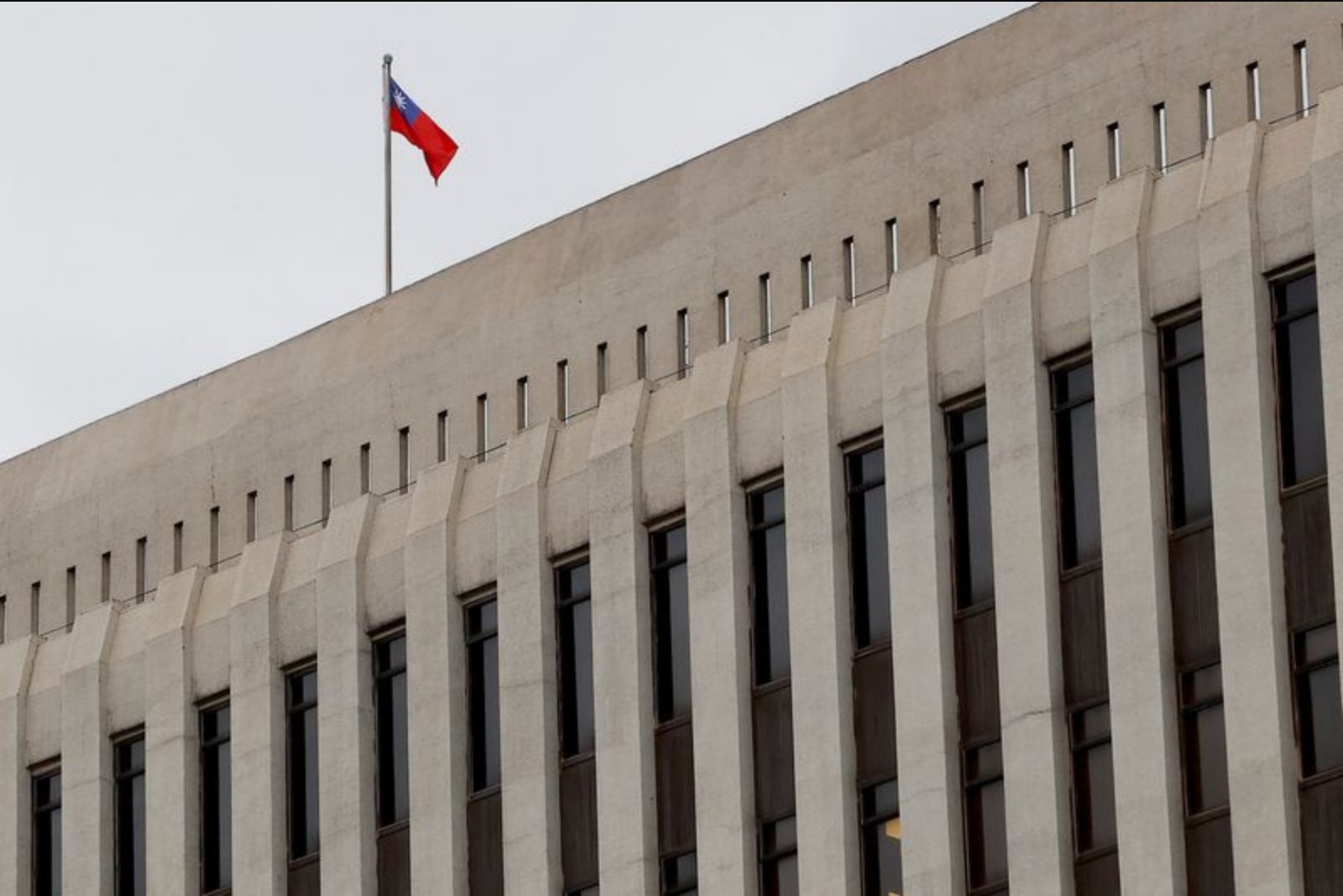
Taiwan’s central bank is widely expected to hold its policy interest rate steady at its next meeting and to maintain that level into 2027, according to a survey of economists. The benchmark discount rate currently stands at 2%, where it was left in December.
The bank lifted the rate by 0.125 percentage points to 2% from 1.875% in March 2024, a move made in anticipation of higher electricity prices. At the upcoming quarterly meeting on Thursday, all 29 economists surveyed expect the central bank to keep the rate unchanged.
Those economists who provided projections beyond this week also largely expect the central bank to hold its policy rate through the second quarter of 2027.
Taiwan’s economy, which is heavily weighted toward technology and exports, has been a primary factor underpinning this pause in policy tightening. The country has seen strong demand related to the artificial intelligence boom, boosting orders for major contract chipmakers such as TSMC. That momentum has translated into rapid headline growth: the government’s statistics agency reported an expected expansion of 7.7% for this year, following growth of 8.68% in 2025, which was the fastest pace in 15 years.
Market observers say there are no clear signs of a near-term slowdown. "There is no sign of a slowdown in the first quarter of this year," said analyst Wang Yu-Hsuan of First Capital Management.
Inflation in Taiwan remains below the central bank’s 2% warning line, but it has climbed slightly. Taiwan’s consumer price index rose by 1.75% in February, modestly above analysts’ expectations of 1.5%, and marking the 10th consecutive month it has remained under the 2% threshold.
Analysts caution that geopolitical developments could change the outlook. Kevin Wang of Taishin Securities Investment Advisory noted that if the conflict in the Middle East persists and keeps energy prices elevated, Taiwan could face a more difficult environment. "In that case, a difficult situation of stagflation could emerge," he said.
The central bank will publish revised forecasts for economic growth and inflation for the year at its meeting on Thursday.
Context and implications
The current policy trajectory reflects a balance between strong real economic activity driven by the technology export sector and relatively muted inflationary pressures. With consumer prices still under the central bank's informal warning threshold, officials appear to have room to avoid further tightening while they monitor geopolitical risks that could feed through to energy costs and broader price dynamics.