
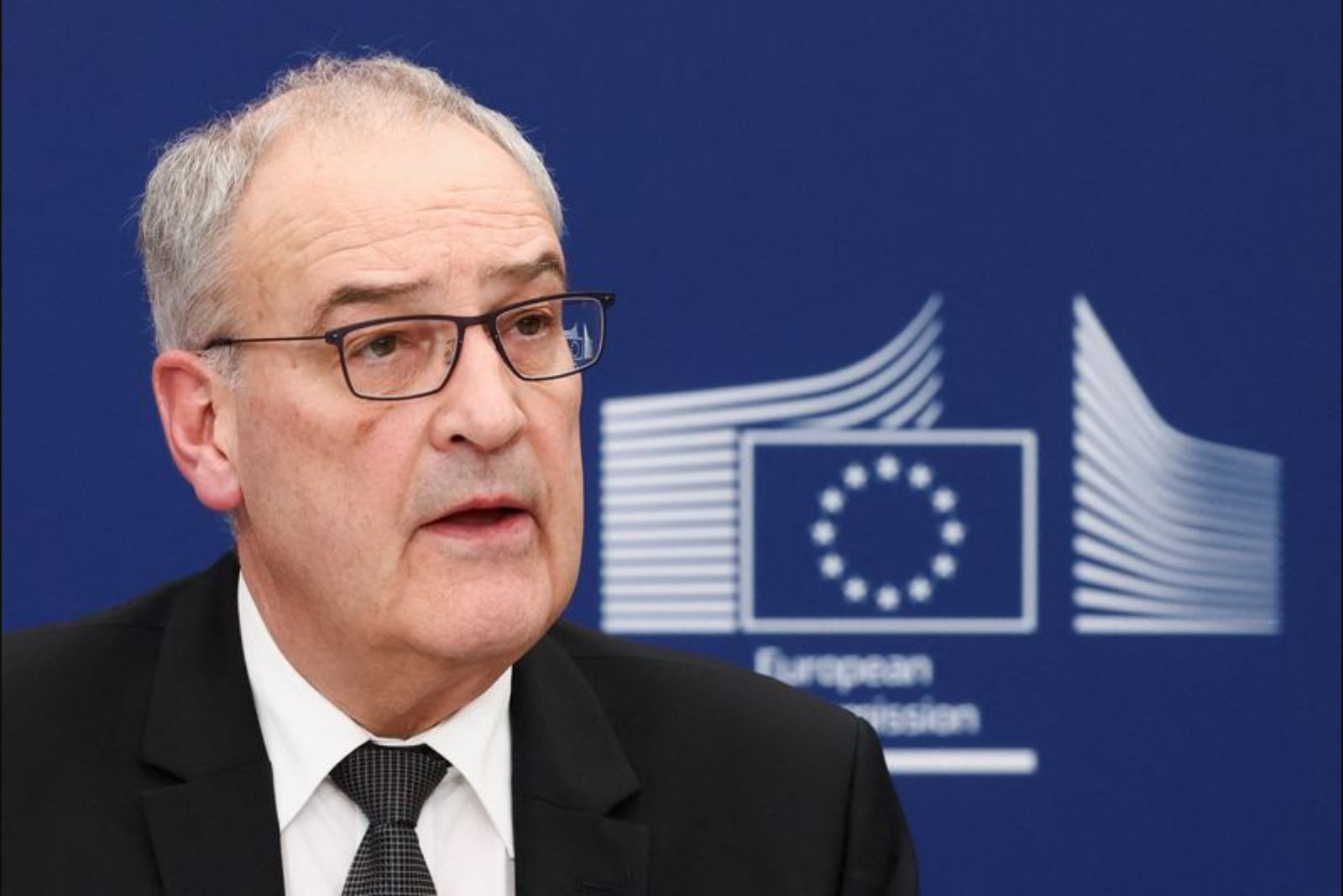
Switzerland is maintaining its current negotiating mandate in discussions with the United States to finalise a tariff agreement struck last year, Economy Minister Guy Parmelin said on Friday. His remarks followed U.S. announcements this week that it has opened trade probes into excess industrial capacity among 16 major trading partners - a list that includes Switzerland - and into allegations of forced labour.
Speaking at a press conference, Parmelin said Switzerland would consult with other affected countries to coordinate responses to the U.S. investigations. "And we will most certainly also consult with these countries to see how to respond to the United States," he told reporters.
The current negotiation effort aims to formalise a preliminary deal reached in November that reduced U.S. duties on Swiss imports from a peak of 39% to 15%, aligning Switzerland's tariff rate with that of the European Union. The higher 39% tariff had been imposed in August under then-U.S. President Donald Trump and made Switzerland the European country subject to the steepest U.S. tariffs at that time.
Since the November arrangement, Swiss and U.S. officials have engaged in talks to turn that initial understanding into a formal agreement. According to Parmelin, who is also Switzerland's president for 2026, discussions are still under way: "The negotiations and discussions are continuing," he said.
Washington has been pressing for the agreement to be finalised by the end of March, and the Swiss government has said it is negotiating within the parameters of its existing mandate. The U.S. trade investigations announced on Wednesday introduce a parallel development to those bilateral talks, focusing on structural issues the United States has signalled are of concern across multiple trading partners.
The intersecting tracks - bilateral talks to formalise last year's tariff reduction and separate U.S. probes into industrial capacity and forced labour allegations - frame the immediate policy environment for Switzerland's trade negotiators. Parmelin's comments underscore Bern's intention to proceed under the direction already authorised by Swiss policymakers while engaging other affected countries on how best to respond to the new U.S. inquiries.
Context and next steps
Switzerland's officials will continue bilateral negotiations with the United States to convert the November tariff reduction into a formal agreement. At the same time, Swiss authorities plan to consult with other trading partners named in the U.S. investigations to coordinate responses. The outcome of both tracks - the formalisation of the tariff deal and any developments stemming from the U.S. probes - will influence Swiss exporters and industrial sectors connected to transatlantic trade.