
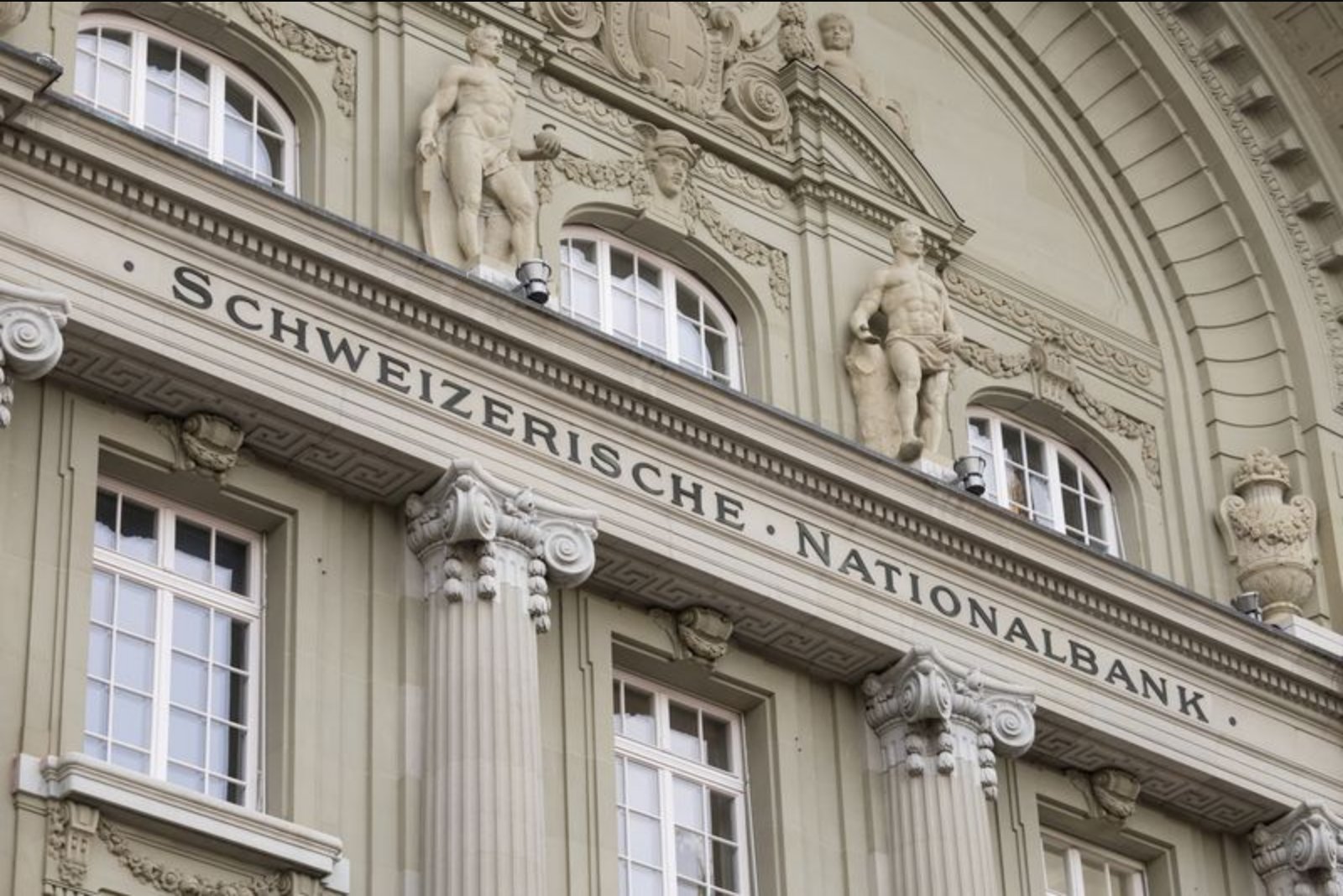
The Swiss National Bank said on Monday that it has increased its willingness to intervene in foreign exchange markets after geopolitical tensions in the Middle East drove investors toward the Swiss franc, sending the currency to its highest level against the euro in more than a decade.
In early trading the euro fell to 0.9037 francs, its weakest showing since the so-called Franc Shock of January 2015, as market participants sought safe-haven assets. The sharp appreciation prompted an unusual verbal intervention from the SNB, which explicitly signalled its readiness to act to limit the franc's rise because of the risks it poses to domestic price stability and to exporters.
In a statement the central bank said: "In view of international developments, our willingness to intervene in the foreign exchange market has increased." The SNB added: "We are prepared to intervene in the foreign exchange market to counter a rapid and excessive appreciation of the Swiss franc, which jeopardises price stability in Switzerland."
Officials noted that the last occurrence of a similar public warning from the SNB was in 2016, when Britain’s vote to leave the European Union caused a spike in demand for the franc.
Market analysts said they expect the SNB to step into markets by selling francs to slow the currency's appreciation, but they do not foresee the bank lowering interest rates below the current 0% level as part of its response.
"We could expect some interventions by the SNB to slow this movement, but we don’t see the SNB defending a certain level and prevent the franc going below that," said UBS economist Alessandro Bee. "They will want to take some momentum out of the move, but won’t defend the 0.90 level, for example, because these strong inflows into the franc could reverse very quickly."
Bee said it was unclear how long the situation would last and that taking Swiss interest rates into negative territory or deploying other emergency measures would not make sense unless there were longer-term structural problems. "That would only be appropriate if there were long-term problems like a slowdown in the global economy or other central banks were cutting rates," he said. "This spike in the franc is not a structural problem in the euro zone like what happened in 2011. It’s down to geopolitics and risk aversion."
Observers of the currency and export sectors will be watching closely for actual sales of francs by the SNB as a means to blunt the rapid appreciation. The central bank’s statement underscores the ongoing sensitivity of Swiss monetary authorities to abrupt shifts in exchange rates that could undermine domestic price dynamics and export competitiveness.