
Economy February 20, 2026

Supreme Court Ruling Narrows Presidential Tariff Options, Treasury Secretary Says

Scott Bessent says court decision limits diplomatic leverage while leaving the door open to more severe measures such as an embargo

By Caleb Monroe
Supreme Court Ruling Narrows Presidential Tariff Options, Treasury Secretary Says

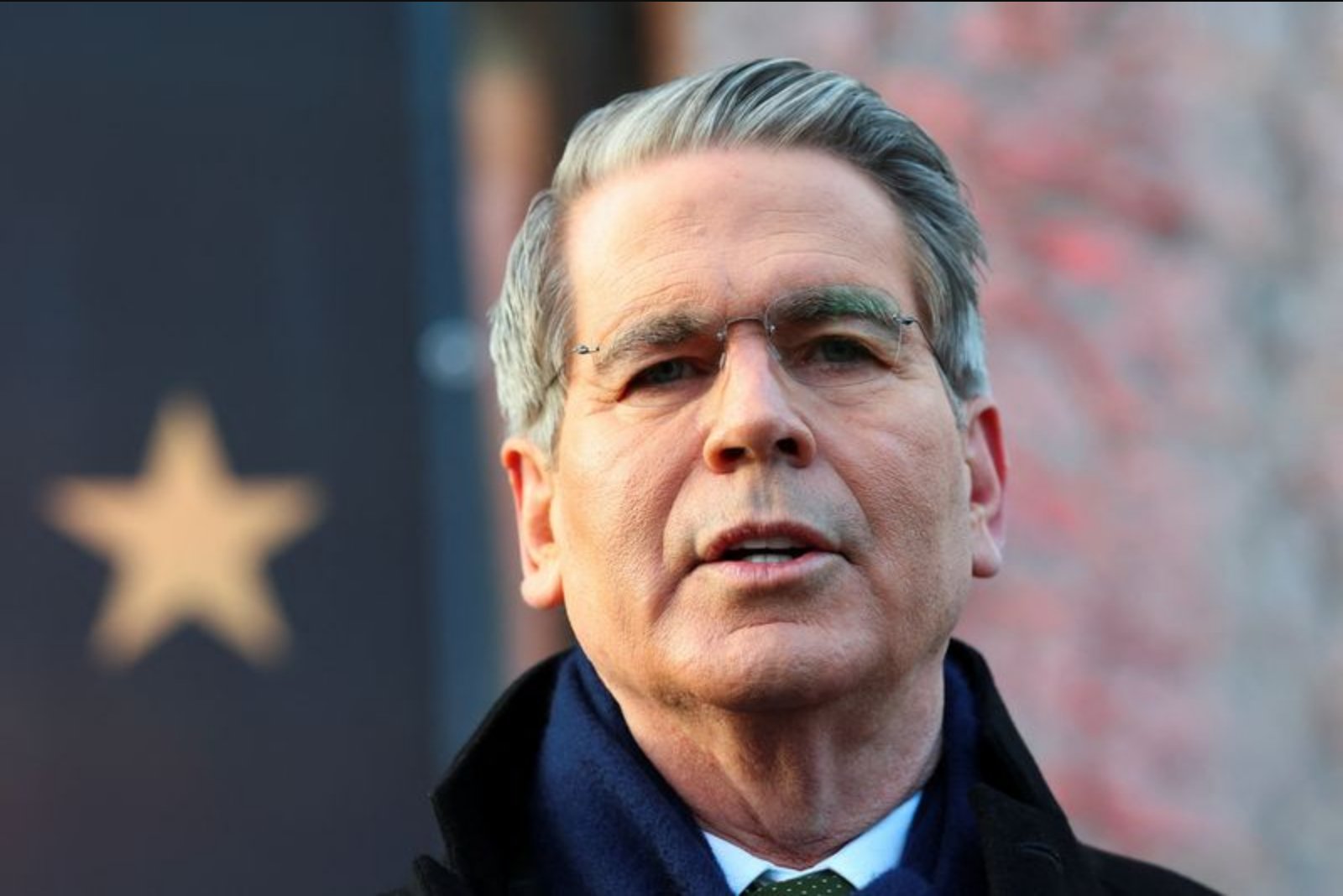
The U.S. Supreme Court's decision to invalidate tariffs imposed under a statute reserved for national emergencies has, according to Treasury Secretary Scott Bessent, reduced President Donald Trump's bargaining leverage while simultaneously preserving the more extreme option of a full embargo. Bessent discussed the ruling and its implications on Fox News, and President Trump responded by announcing alternative measures to collect tariffs, including a blanket 10% duty on imports from other countries.

Key Points

  • The Supreme Court struck down tariffs imposed under a law intended for national emergencies, reducing the administration's direct leverage.
  • Treasury Secretary Scott Bessent said the court affirmed the President's right to impose a full embargo, which he called a more draconian form of leverage.
  • President Trump said he would use other laws to collect tariffs and announced a blanket 10% tariff on imports from all other countries; international trade, import-dependent industries, and trade policy are directly implicated.

The U.S. Supreme Court's determination to strike down tariffs applied under a law intended for national emergencies has curbed the administration's leverage, U.S. Treasury Secretary Scott Bessent said on Friday. Speaking on "The Will Cain Show" on Fox News, Bessent said the ruling both constrains and sharpens the President's options.

"The Supreme Court has taken away the President’s leverage, but in a way, they have made the leverage that he has more draconian because they agreed he does have the right to a full embargo," Bessent said on the program.

Bessent indicated the administration would still be able to return to prior tariff levels for affected countries, but through a different process. "We will get back to the same tariff level for the countries. It will just be in a less direct and slightly more convoluted manner," he said.

President Donald Trump reacted to the court’s decision on Friday by saying he would invoke other laws to collect tariffs. He also announced a blanket 10% tariff on imports from all other countries.

On international commitments, Bessent expressed confidence that nations would abide by trade agreements reached with the administration over the past year. "He (Trump) has a right to a complete embargo, he can just cut countries off ... or he can cut whole product lines off. We can’t receive any money. So, I would call on all countries to honor their agreements and move forward," Bessent added.


Taken together, the exchanges highlight the immediate legal and policy choices facing the administration: a narrower legal route to impose tariffs under the emergency law, the possibility of pursuing alternative statutory authorities, and the stark option of a full embargo acknowledged by the Supreme Court.

While Bessent framed the court action as a reduction in diplomatic leverage, he emphasized that the court's recognition of an embargo power represents a more severe lever that the President could, in theory, use.


Summary takeaways and implications are constrained to the statements above. The public record in these remarks focuses on the legal standing identified by the court, the administration's announced response, and Bessent's view on compliance with existing trade agreements.

Risks

  • Uncertainty over which alternative statutory authorities the administration may invoke to collect tariffs, as indicated by the president's statement.
  • Potential use of a full embargo, a power acknowledged by the court and noted by Bessent, presents a severe and disruptive option.
  • Uncertainty about whether countries will fully honor trade agreements made with the administration over the last year, a point Bessent raised when urging compliance.

More from Economy

Trump Vows Fresh 10% Global Tariff After Supreme Court Limits His Trade Authority Feb 20, 2026 Supreme Court Curbs Emergency Tariff Authority, Sparking Market and Policy Reactions Feb 20, 2026 Brazil Says U.S. Supreme Court Decision Restores Country's Edge in American Market Feb 20, 2026 Musalem Says Fed Stance Appropriate; One-for-One Tariff Replacement Would Barely Shift Outlook Feb 20, 2026 Supreme Court Decision Limits One Tariff Route but Leaves Global Trade in Flux Feb 20, 2026