
Economy February 21, 2026

Supreme Court IEEPA Ruling Offers Limited Lift for Apparel and Footwear Stocks, Evercore Says

Analysts see modest near-term support but expect most tariffs to be reinstated under other authorities, with ONON identified as a possible exception

By Leila Farooq
Supreme Court IEEPA Ruling Offers Limited Lift for Apparel and Footwear Stocks, Evercore Says

The U.S. Supreme Court's decision to invalidate tariffs imposed under the International Emergency Economic Powers Act (IEEPA) is likely to provide only modest relief to apparel and footwear companies, according to Evercore ISI. While the ruling briefly improved sentiment in the softlines sector, Evercore's policy team expects roughly 80%–90% of the current tariffs to be reimposed using alternative legal authorities, limiting sector-wide gains. The firm highlighted ONON as a potential outlier that could keep a larger share of any margin benefit, and warned that refunds for previously paid tariffs could take years to resolve in lower courts.

Key Points

  • Evercore expects roughly 80%–90% of existing tariffs imposed under IEEPA to be replicated under alternative legal authorities, limiting industry-wide benefits.
  • Many global manufacturers had absorbed part of tariff costs to maintain stable consumer prices, and may push to renegotiate if tariffs change, minimizing net gains for brands.
  • ONON is highlighted as a potential outlier because management indicated the company did not heavily rely on suppliers to offset tariffs, possibly allowing it to keep more of any near-term margin improvement.

The U.S. Supreme Court's ruling that struck down tariffs enacted under the International Emergency Economic Powers Act (IEEPA) may provide some short-term support for apparel and footwear shares, but the overall benefit appears likely to be restrained, Evercore ISI concluded.

Evercore's policy team told clients that while the decision initially buoyed sentiment among softlines stocks, the federal government is expected to move quickly to reestablish most of the levies under different statutory authorities. The team expects roughly 80%–90% of the current tariff levels to be replicated through alternative legal mechanisms, a prospect that limits how much the sector can gain from the court's ruling.

Analysts noted that many overseas manufacturers had already absorbed portions of tariff costs in order to avoid pushing higher prices onto U.S. consumers. That dynamic could change if factories seek price adjustments once the tariff landscape shifts, potentially offsetting any direct cost relief for brands and retailers. For that reason, Evercore said the net positive for the majority of softlines companies is likely to be small.

The ruling does not alter the administration's approach to the de minimis exemption, a provision that has been important for certain athleisure labels. Evercore pointed out that Lululemon Athletica Inc (NASDAQ:LULU) and peers that relied heavily on the exemption are unlikely to see significant benefit from the decision, while Tapestry had less exposure to that exemption.

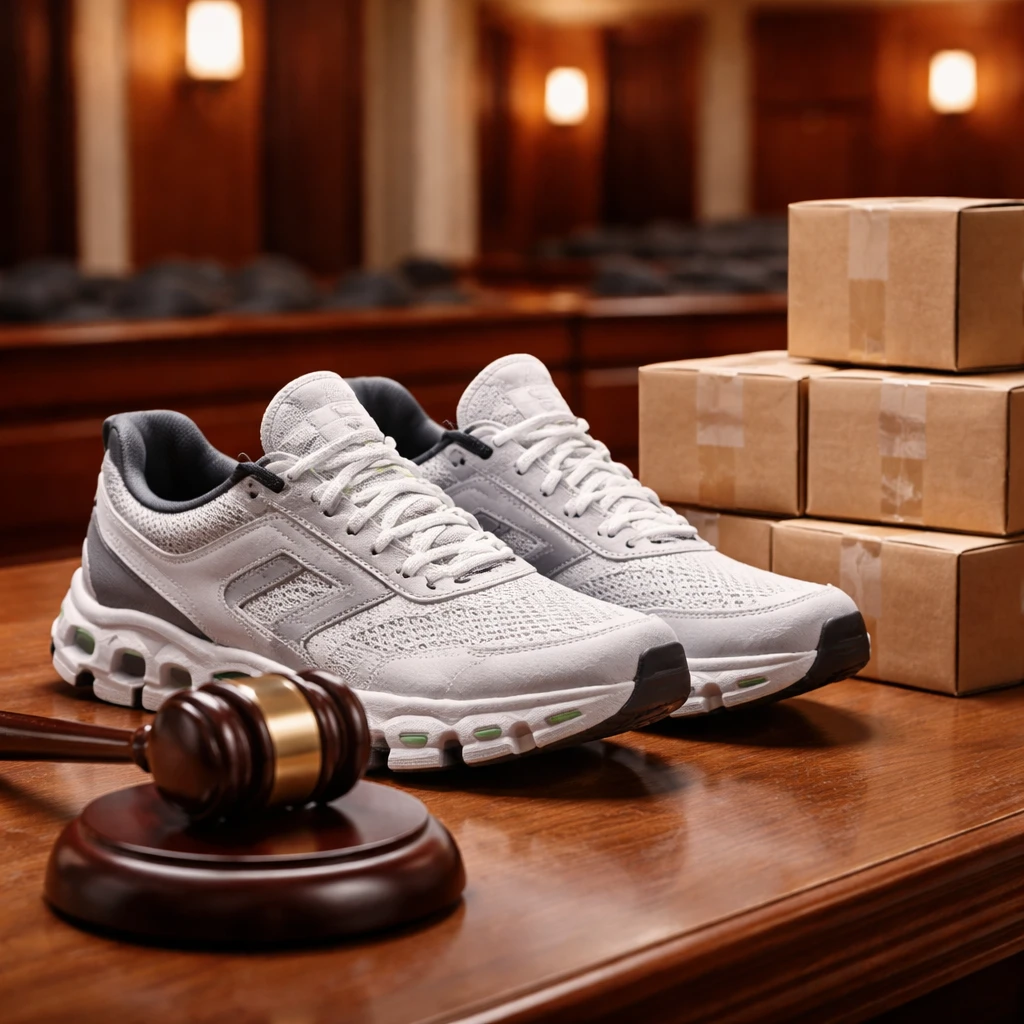
Within footwear, Evercore identified ONON as a potential exception to the broader pattern. Based on prior conversations with the company's management, Evercore said ONON did not depend extensively on suppliers to shoulder tariff costs. That stance could reduce the likelihood of supplier demands for concessions if tariffs are adjusted, and could allow the company to retain more of any immediate margin improvement.

Evercore also cautioned that refunds for tariffs already paid remain an open question. The firm warned these claims could take years to be adjudicated in lower courts, leaving recovery uncertain and the sector's near-term outlook contingent on how quickly replacement tariffs are implemented.

Overall, Evercore urged investors to concentrate on company-specific positioning rather than expecting a broad-based tariff windfall for footwear and softlines names, given the fluid nature of policy developments and the likelihood that most tariffs will be reinstated under other authorities.

Risks

  • Policy uncertainty - Rapid replacement of tariffs under other authorities could nullify most of the ruling's upside for apparel and footwear companies.
  • Supplier renegotiation - Factories that previously absorbed tariff costs may seek higher prices, eroding any near-term cost relief for brands and retailers.
  • Legal uncertainty on refunds - Claims for refunds tied to tariffs already paid could take years to resolve through lower courts, leaving recoveries uncertain.

More from Economy

Court Rejection of IEEPA Tariffs Narrows Near-Term Duty Revenue, Spurs Market Watchfulness Feb 21, 2026 BCA: A 10% Slide in Stocks Could Meaningfully Curtail U.S. Consumption Feb 21, 2026 BCA Warns Trade Escalation Could Return in 2027, Cites Iran-Linked Energy Risk Near Term Feb 21, 2026 Supreme Court Rejects Broad Tariff Authority, Reasserts Judicial Check on Presidency Feb 21, 2026 ECB’s Panetta Flags China-Driven Disinflation as Key Risk for Euro Zone Prices Feb 21, 2026