
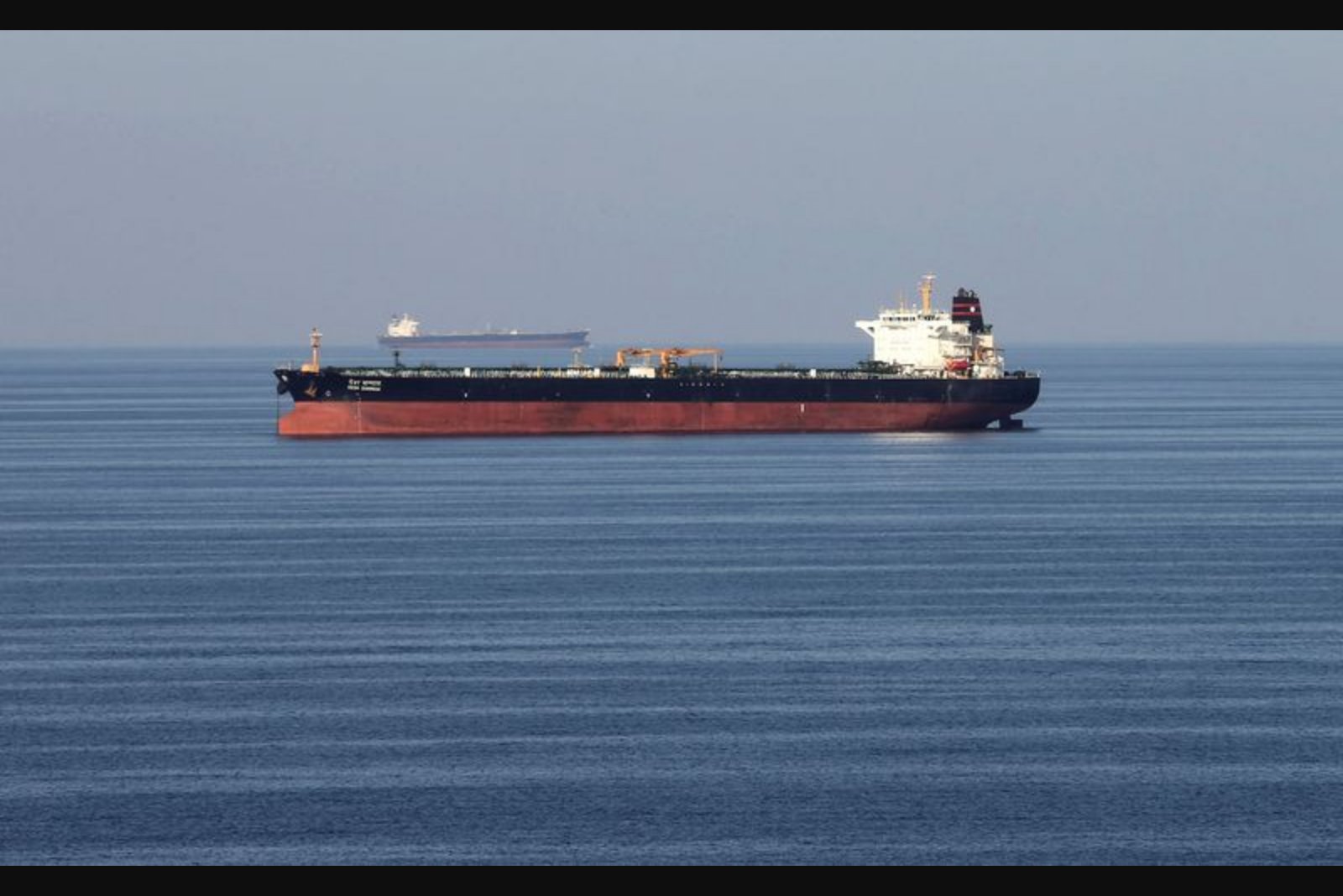
Satellite and vessel-tracking data from Marine Traffic show large concentrations of tankers assembled on either side of the Strait of Hormuz, signaling a marked reluctance by some owners and charterers to transit the narrow shipping lane. The strait is a critical artery for global energy flows - carrying about one fifth of the world's seaborne oil, a similar proportion of seaborne liquefied natural gas, and reportedly roughly one third of seaborne fertiliser - and the disruption has immediate commercial consequences.
Much of the crude traversing the waterway is destined for Asia, with China noted as a principal buyer of Iranian crude. The strait itself has not been declared closed, yet the fact that three tankers have already sustained damage in the Gulf has been sufficient to deter passage for many operators, particularly when accounting for the higher war-risk insurance premiums required for voyages through the area.
Charter rates for very large crude carriers had already surged ahead of the incidents, and the added risk premium from recent attacks is set to push shipping costs higher. While the physical obstruction could be short-lived if hostilities cease, there is no assurance that the shooting will stop imminently. President Trump told the Daily Mail that the attacks could continue for up to four weeks, or at least until the United States' "very strong objectives" were achieved - language that does not specify the precise aims or timeframe.
U.S. military strikes reportedly numbering 1,000 or more appear to have struck targets across Iran, encompassing not only air defence and intelligence facilities but also warehouses and barracks. Whether the munitions stockpiles, particularly of advanced missile types, are sufficient to sustain a month-long campaign is unknown.
The region saw additional escalation as Israel conducted a fresh series of air strikes on Tehran on Sunday, and Iran responded with further missile barrages. Those exchanges followed the killing of Supreme Leader Ali Khamenei, an event that the reporting places a day earlier than the retaliatory strikes.
Against this backdrop, OPEC+ agreed to raise crude output by 206,000 barrels per day effective in April. That increment amounts to roughly 0.2% of global oil demand and, importantly for markets, any additional barrels will still require secure shipping routes to reach buyers.
Market reaction to the heightened geopolitical risk was swift. Brent crude climbed nearly 6% to around $77.00 per barrel in primary trading, after an intraday peak that briefly exceeded $82.00. Year-to-date gains for Brent have exceeded 26%, and some market commentary has revisited round-number targets such as $100 per barrel. If sustained, higher oil prices would risk rekindling inflation pressures and operate like a tax on consumers and businesses worldwide.
Fixed income markets showed volatile movement: the 10-year U.S. Treasury yield initially retreated to a roughly 11-month low of 3.926%, then reversed course to trade near 3.970%. Futures on the federal funds rate moved slightly lower by four ticks out to December, indicating a modest reduction in the probability of large rate cuts later in the year; the market currently prices a June rate move at roughly even odds.
Foreign exchange responses were relatively muted. The U.S. dollar gained marginally against the euro and the yen, while it eased a touch versus the Swiss franc. The Norwegian krone stands to benefit from a jump in oil prices but is not heavily traded in Asian markets.
Equity markets across Asia closed predominantly lower, with airline and banking stocks among the steepest decliners. European and U.S. futures also opened weaker, though both were off their early lows by the time markets settled.
For the near term, shipping flows through the Strait of Hormuz will remain a focal point for traders and analysts alike. Key scheduled events that could further influence sentiment and financial conditions include public appearances by central bank officials - ECB board member Frank Elderson, Riksbank Deputy Governor Anna Seim, Bank of England MPC member Alan Taylor, and Bank of Japan Deputy Governor Ryozo Himino - as well as incoming economic readings such as EU and global PMIs, the U.S. ISM manufacturing survey, German retail sales, and U.K. house price data.
Summary: A combination of attacks that damaged three tankers in the Gulf and concentrated vessel traffic around the Strait of Hormuz has driven up shipping and insurance costs, lifted Brent crude prices sharply and injected volatility into bond and currency markets. The situation remains fluid, with further military strikes and retaliations contributing to uncertainty over how long shipping disruption might persist.