
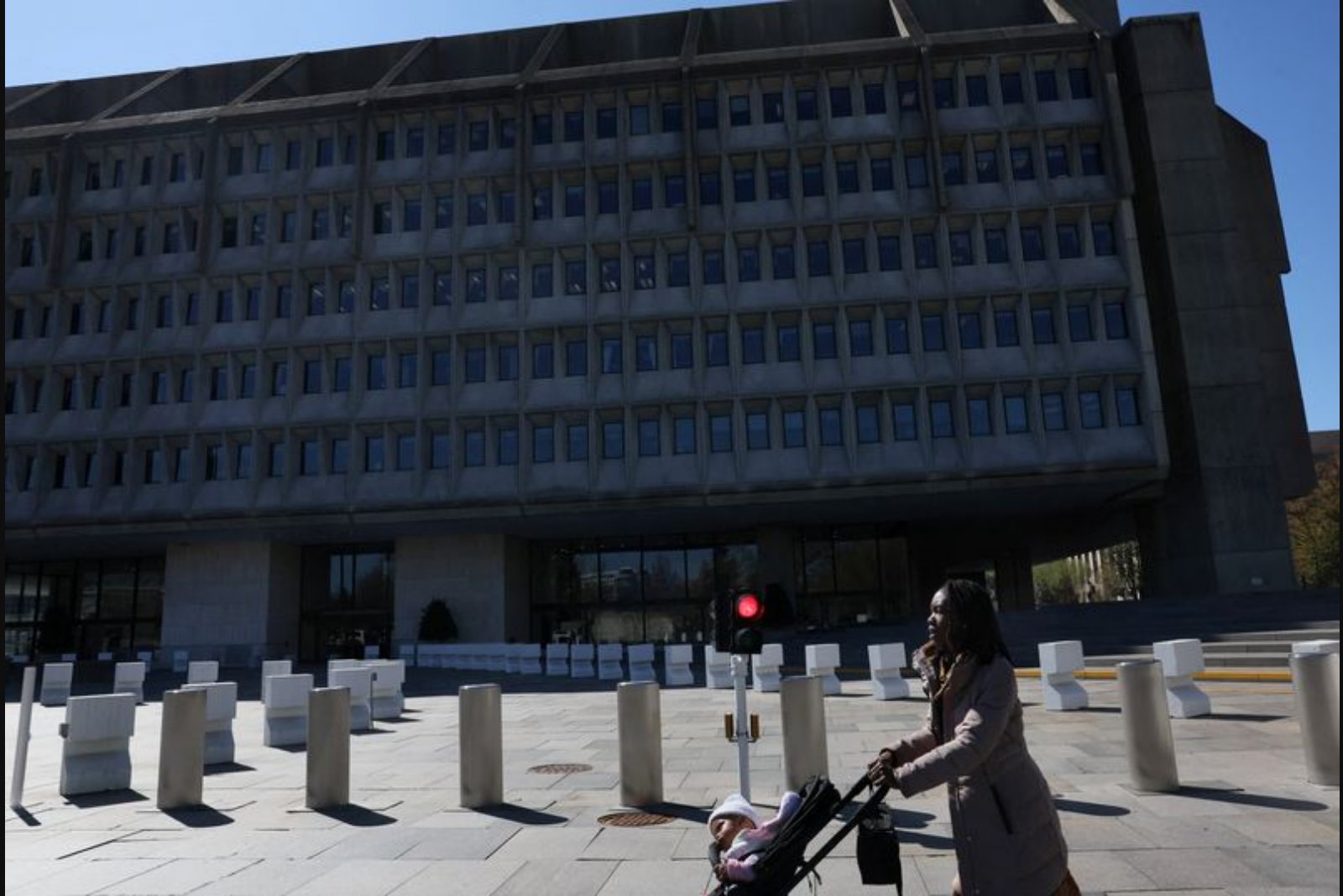
Four states led by Democratic administrations have moved to stop the federal government from cutting about $600 million in public health grant funding, filing suit in federal court in Chicago on Wednesday.
The plaintiffs - California, Colorado, Illinois and Minnesota - contend in their complaint that they face "devastating funding cuts to basic public health infrastructure based on political animus and disagreements about unrelated topics such as federal immigration enforcement." The states ask the court to prevent the administration from terminating the grants while the legal challenge proceeds.
The funding at issue is distributed through the Centers for Disease Control and Prevention and supports routine monitoring of health threats, responses to disease outbreaks, and planning for public health emergencies. The affected programs include efforts that underpin HIV prevention and surveillance.
A spokesperson for the U.S. Department of Health and Human Services said on Monday that the grants are being terminated because they do not reflect the agency's priorities. HHS did not immediately respond to a request for comment on the lawsuit.
The legal action follows a string of federal moves to withhold funding from jurisdictions led by Democrats. Courts have previously blocked some of those attempts.
Last month a judge temporarily barred the administration from freezing access by five Democratic-led states to more than $10 billion in federal funds intended for childcare and family assistance. The administration had cited concerns about fraud as the basis for that planned action.
Separately, a report last week said the federal budget office instructed the Department of Transportation and the CDC to claw back more than $1.5 billion from a group of Democratic-led states.
President Trump has also warned that some so-called "sanctuary cities or states" could see federal funding halted beginning in February, saying their policies foment "fraud and crime and all of the other problems that come."
Reacting to the current litigation, California Attorney General Rob Bonta said in a statement: "President Trump is resorting to a familiar playbook. He is using federal funding to compel states and jurisdictions to follow his agenda. Those efforts have all previously failed, and we expect that to happen once again."
The lawsuit frames the funding terminations as a threat not only to state budgets but to the public health activities those grants support - from surveillance systems that detect emerging threats to programs that manage outbreak responses and prepare for public health emergencies.
The case is now before the federal court in Chicago, and the immediate practical consequences will depend on the court's rulings and any further administrative action by HHS or other federal agencies.