
WASHINGTON - The U.S. State Department announced on Friday the creation of a Bureau of Disaster and Humanitarian Response to direct American efforts in responding to natural disasters and humanitarian emergencies overseas, a senior department official said. The action marks the culmination of a broad overhaul of foreign aid carried out by the current administration.
The official, who briefed reporters on condition of anonymity ahead of the announcement, said the bureau will include roughly 200 staff members, operate from 12 regional hubs around the world and receive about $5.4 billion in annual funding. The office is intended to concentrate on narrow, time-sensitive interventions that the department described as "life-saving" assistance, with an explicit exclusion of broader initiatives such as climate projects and other social programs the official termed "social causes."
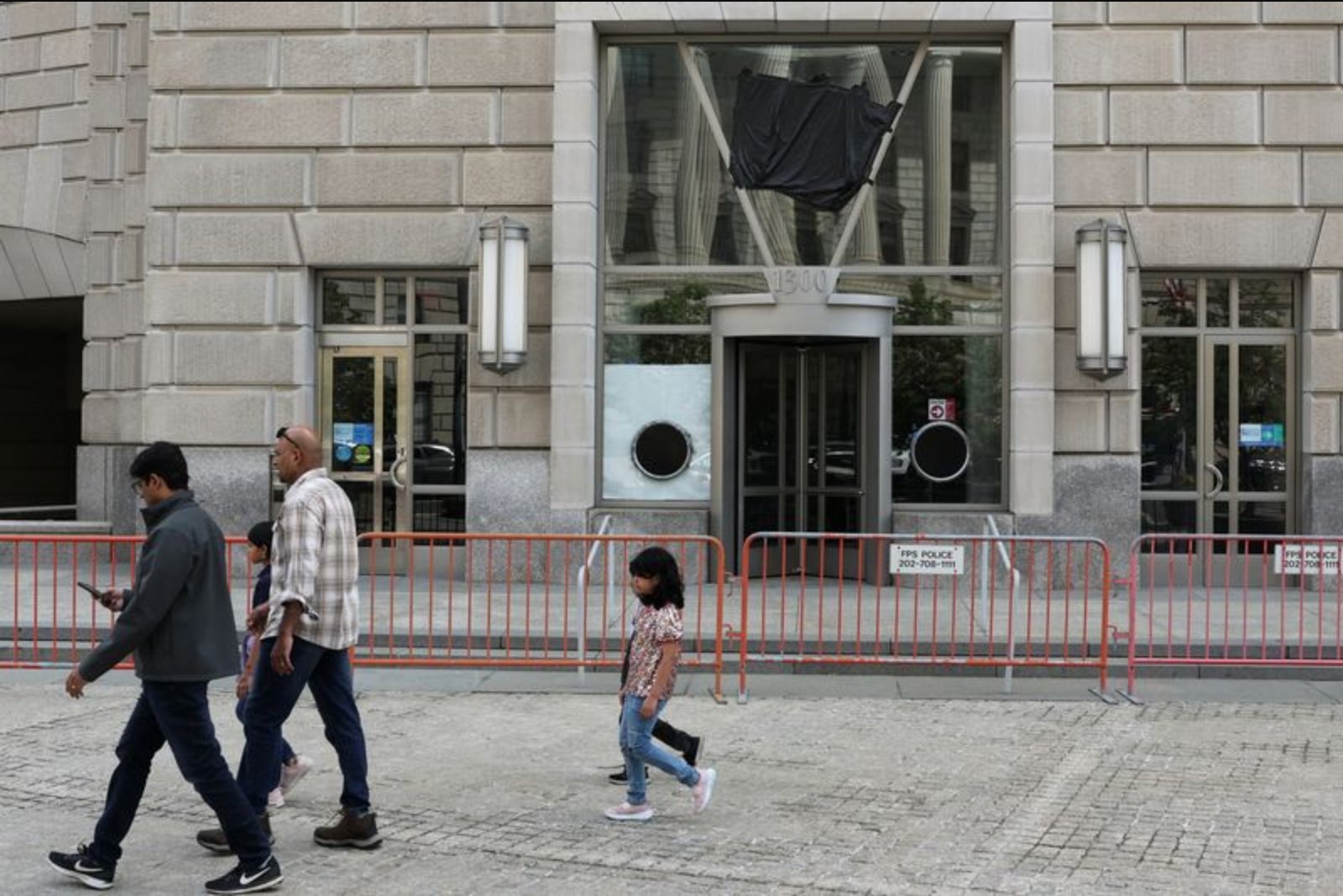
The establishment of the bureau follows a controversial reconfiguration in January 2025 when officials from the Trump administration and the Department of Government Efficiency, commonly referred to as DOGE, dismantled the U.S. Agency for International Development. That process included firing thousands of USAID personnel, canceling most grants, and ultimately folding the agency's functions into the State Department.
USAID previously managed about $40 billion annually and supported longer-term development programs across multiple regions. The new bureau is not designed to replicate that broad portfolio. Instead, the official said it will prioritize assistance tied to U.S. national interest and the needs of allies and strategic partners. "We are going to pick more carefully the stuff that we respond to. It’s not the United States’ responsibility to respond to every disaster, every crisis, especially when our adversaries or groups that hate the United States are at issue," the official said. "We’re not the world’s policeman. We’re not the world’s social safety net. But when our allies and strategic partners need our help, and when there’s stuff that we’re engaging in because it’s important to our national interest, then we’re going to be, I think, allocating more resources there."
The new bureau will also be charged with oversight of global food security programs, the official said. It will be organized under the undersecretariat for foreign assistance, humanitarian affairs and religious freedom — a portfolio that currently lacks a Senate-confirmed leader and is being run by Jeremy Lewin, a former DOGE staffer. Ryan Shrum, who has served as Lewin’s chief of staff, will lead the bureau initially, according to the anonymous official.
Elements of USAID's prior work that extended beyond immediate humanitarian relief are expected to continue inside other parts of the State Department, the official added. The move signals a narrower federal focus on short-term emergency relief and food security while repositioning longer-term development activities within a restructured diplomatic apparatus.
Summary: The State Department has set up a Bureau of Disaster and Humanitarian Response with about 200 staff, 12 hubs, and approximately $5.4 billion per year to prioritize life-saving aid and oversee global food security after USAID was dismantled and absorbed into State.