
GENEVA, March 20 - A failure to secure clear agreement on reform at the upcoming four-day World Trade Organization ministerial in Yaounde is likely to prompt some members to seek alternative frameworks to govern trade, diplomats and officials told Reuters. The meeting arrives at a tense moment for the WTO, the successor to the General Agreement on Tariffs and Trade created after World War Two to oversee global trade.
Delegates will gather in the Cameroonian capital against a backdrop of heightened geopolitical strain. The U.S.-Israeli war on Iran has disrupted energy supplies and, according to participants, poses a risk of significant economic damage worldwide. At the same time, tariff policies adopted by the United States and a long-running paralysis of the WTO dispute settlement system have fed doubts about the institution’s ability to deliver on multilateral trade governance.
Most members, officials say, want to see the WTO reformed. Yet deep divisions persist over how to translate that shared desire into a viable, agreed workplan. Internal restricted reform documents reviewed by diplomats show contrasting positions: the United States is said to back reform in principle but resists pinning down a detailed, substantive timetable; by contrast, the European Union, Britain and China support establishing a concrete workplan.
Swedish Trade Minister Benjamin Dousa described the organization’s reform objective as a ‘‘Plan A’’ that still faces ‘‘many hurdles.’’ He warned that a failure in Yaounde would lead the European Union to explore a parallel route. "Our 'Plan A' is to get reform within the WTO system, but there are many hurdles," he said, adding that failure at the Yaounde talks would encourage the EU "to pursue a parallel track."
EU officials and diplomats interviewed for this article said that parallel track could involve closer cooperation with the Comprehensive and Progressive Agreement for Trans-Pacific Partnership, or CPTPP - a grouping of 12 economies that includes Australia, Japan, Canada, Mexico, Malaysia and Britain. The EU-CPTPP collaboration would, they said, "supplement" the WTO by allowing willing participants to adopt common rules while maintaining pressure for multilateral reform.
"As a Plan B we have to open up for plurilateral agreements," Dousa said, using the term for deals where a subset of members make binding commitments amongst themselves. While some plurilateral measures have historically been brought into the WTO framework, diplomats note frustration over repeated blocks to initiatives that have majority support. An example cited by several officials is an initiative to encourage investment in developing countries that has been stalled despite clear backing from many members.
One Western diplomat was explicit that if the investment initiative remains blocked and no reform pathway is adopted, the EU and others "will consider our options." EU-CPTPP cooperation could focus on topics such as digital trade and critical raw materials, while also strengthening bilateral free trade agreements, according to Svitlana Taran of the European Policy Centre. A Canadian source said there was "a lot of momentum" behind EU-CPTPP engagement, noting that talks at Yaounde will include discussions on rules of origin and investment.
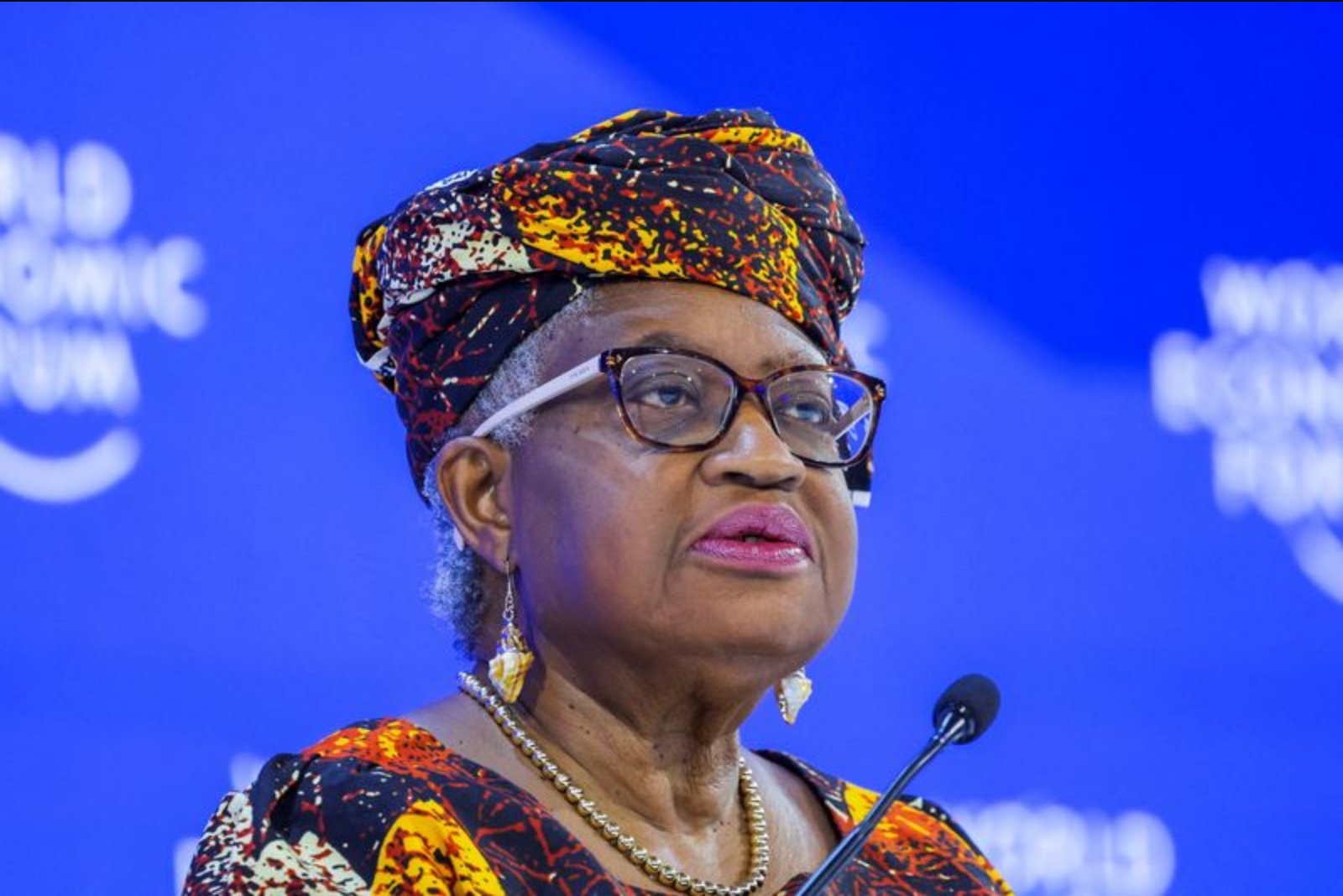
WTO Director General Ngozi Okonjo-Iweala told Reuters the organization supports diversification of trading relationships and views such groupings as potentially complementary. "If they want to get together as a group and try to do something, we see it as complementary," she said. Dousa and a European diplomat suggested an EU-CPTPP core group could already account for over 35% of global trade and could expand to include other partners.
Looking ahead, officials outlined a model for a "multi-speed" WTO in which core rules are preserved but flexibility is introduced through differentiated commitments and plurilateral paths for willing members to advance in targeted areas. One European trade diplomat envisioned that within five years a "tiered trade system" of differing commitment levels - including a reconfigured role for the most favoured nation principle - could emerge among willing members outside the WTO and later be incorporated into the multilateral system. The most favoured nation, or MFN, rule requires countries to apply the same tariffs to all trading partners and is currently reported to govern roughly 72% of global trade.
Key tests for the Yaounde meeting include agreement on reform process and progress on e-commerce. The United States has made a permanent extension of a moratorium on customs duties for electronic transmissions - such as digital downloads - a priority. That moratorium expires this month, and Washington says its continuation would bolster U.S. engagement in the WTO. "This would give the U.S. confidence to 'remain fully engaged' in the WTO," U.S. Ambassador Joseph Barloon said.
India is expected to maintain its opposition to the moratorium, according to an official. A diplomat warned that if U.S. Trade Representative Jamieson Greer departs Yaounde without a moratorium, "the U.S. proclamations on the death of the WTO will be even louder." Business groups are also watching closely: the International Chamber of Commerce said firms fear failure could prompt new taxes on cross-border data flows.
Ministers will also consider the future role of MFN after Washington stated in December that MFN is ill-suited to the current era. The EU has signalled interest in rethinking MFN in part because of concerns tied to China, a senior diplomat said. Chinese representatives, by contrast, maintain that MFN must remain central: "We need a rules-based, not power-based, system," a Chinese diplomat said.
Contextual note: Delegations at Yaounde will evaluate whether reform can proceed within the WTO framework or whether like-minded groups should develop binding rules through plurilateral or regional channels that could later be folded into the global system.
The outcome of the Yaounde ministerial will shape whether the WTO moves forward with a detailed reform workplan, or whether trade-reliant economies pursue deeper cooperation outside the WTO to address digital trade, investment, and critical raw materials.