
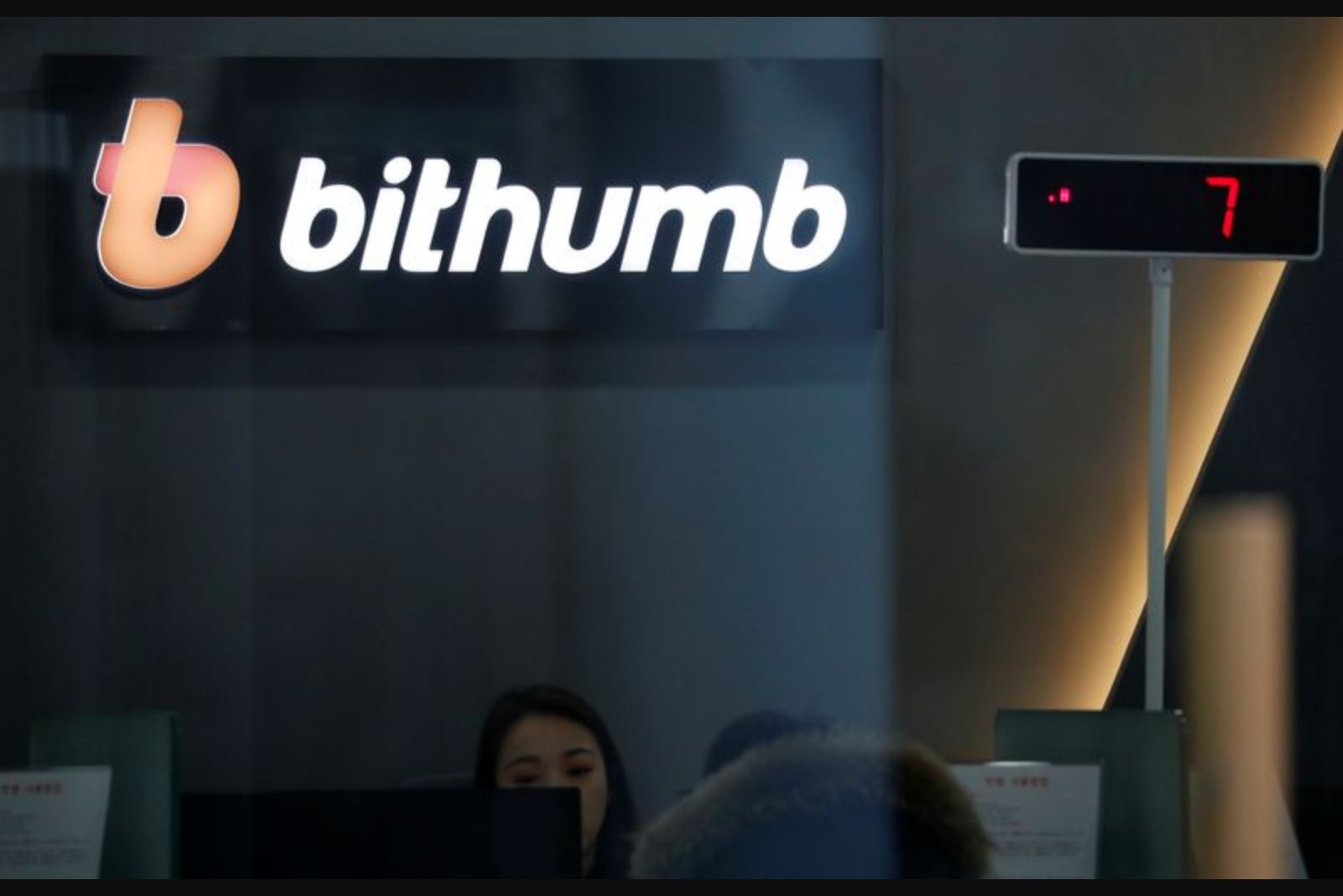
SEOUL, Feb 9 - South Korea's principal financial regulator said on Monday that a recent mishap in which cryptocurrency exchange Bithumb unintentionally distributed over $40 billion worth of bitcoin to its customers demonstrates the urgency of tightening rules around digital assets.
The giveaway, which the exchange said occurred on Saturday when bitcoin was mistakenly issued as promotional rewards, sparked rapid selling activity on the platform and prompted a swift regulatory response.
Lee Chan-jin, governor of the Financial Supervisory Service (FSS), addressed the incident at a press briefing and framed it as evidence of broader weaknesses in the electronic systems that underpin virtual asset platforms.
"It is a case that shows the structural problems of electronic systems for virtual assets. There are many areas we are seriously looking into, and we are particularly worried about the issue of electronic systems," Lee said.
Lee added that this event points to a need for improved regulatory mechanisms as authorities work to fold digital assets into the existing financial system. "There are tasks to significantly improve the regulatory system, as virtual assets are in the process of being brought into the legacy financial system," he said.
South Korea adopted the Virtual Asset User Protection Act in July 2024 to strengthen investor protections following market turmoil in 2022. Policymakers are now preparing another bill intended to broaden regulatory control over digital assets, while parallel discussions are underway regarding won-denominated stablecoins.
A market analyst, speaking anonymously because of the sensitivity surrounding the matter, said the timing of the error was unfortunate. The analyst noted that financial firms' efforts to develop the industry - including mergers and acquisitions driven by hopes of expanded policy support - could face delays as a result of the episode.
Initial inquiries by financial authorities established that of the total 620,000 bitcoins erroneously distributed by Bithumb on Friday, 99.7% have been recovered by the exchange. Regarding the 1,786 bitcoins that had already been sold prior to the suspension of trading, 93% were retrieved.
FSS governor Lee commented specifically on media coverage suggesting Bithumb had handed out more bitcoin than it actually held. He said the problem of so-called "ghost coins" would need to be solved first if cryptocurrencies are to be treated as legacy financial assets.
Lee also stated that parties who sold the mistakenly issued bitcoins are legally required to return them to the exchange.
On the government's plan to allow spot bitcoin exchange-traded products, Lee said he would express cautious views, emphasizing that stability must be assured before such products can be regarded as part of the legacy financial system.
Contextual note: The FSS response ties directly to the mishap at Bithumb and to ongoing legislative efforts to bring virtual assets under stricter regulatory oversight.