
Olaf Sleijpen, governor of the Dutch central bank, said that the recent jump in oil and gas prices linked to conflict in the Middle East does not by itself force the European Central Bank to abandon what he described as a "good place" for monetary policy. Speaking in an interview, he emphasized that a limited, short-lived overshoot of the ECB's 2% inflation goal could be tolerated while officials monitor developments in the energy shock.
Sleijpen noted that the bank has drawn lessons from the inflation surge of 2021 and 2022, but he warned against making straightforward comparisons between that earlier episode and the present situation, because the current energy shock connected to tensions in the region is fundamentally different in nature.
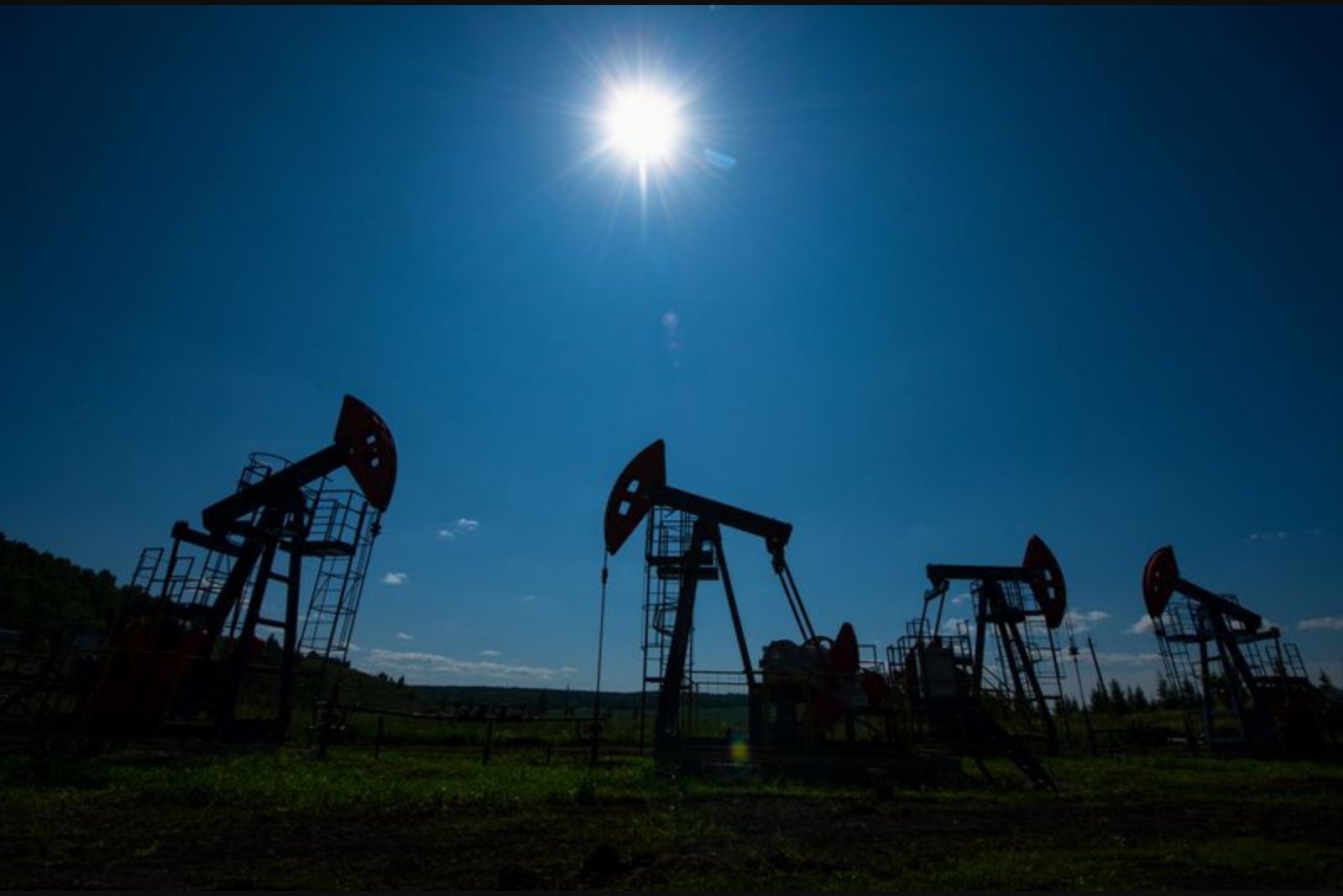
Oil and gas prices jumped sharply this week after disruption to supplies tied to the war in the Middle East, feeding higher inflation expectations and prompting concern among some market participants that the ECB might need to tighten policy to prevent price rises from becoming entrenched.
"While I would not use the word nirvana or Goldilocks anymore, I haven’t dramatically changed my view on where we are, which is still a good place," Sleijpen said. He recalled that prior to the recent escalation of conflict - before the U.S.-Israeli war with Iran broke out last week - he had described the environment of low inflation, neutral interest rates and respectable growth as a central banker’s nirvana.
He reiterated his stance that he remains in what he terms a "good place," but made clear that the outlook depends critically on how the conflict unfolds. Given the risks, he argued that the ECB should, even if it leaves policy unchanged at its March 19 meeting, discuss sensitivity analysis around its new projections or consider alternative scenarios to account for the possible impact of the energy shock.
Small overshoot of inflation target acceptable
Sleijpen said the ECB could accept a modest and temporary overshoot of its 2% inflation target, on the grounds of symmetry with previous periods when inflation ran below target. "We should be consistent and we are symmetrical," he said. "We do not put a higher weight on either under or overshooting."
Markets have been volatile amid the recent moves in energy prices, with investors now pricing roughly a 50% chance that the ECB would need to raise rates by the end of the year to tame price pressures. Economists are attempting to assess how the oil price surge could translate into euro area inflation; early estimates indicate that persistently higher energy costs could push inflation toward the neighbourhood of 2.5%.
One risk is that a material rise in energy prices becomes embedded in firms' pricing and wage-setting behaviour, potentially sustaining higher inflation. That concern draws on the 2021-22 experience, when many central banks underestimated the persistence of price pressures and responded later than needed, allowing inflation to reach what became double-digit levels in some jurisdictions.
Sleijpen acknowledged those lessons for the ECB but stressed that the present circumstances differ in important respects, not least because monetary and fiscal conditions are already tighter now than during that earlier episode. "One of the lessons of that period is that we need to be aware of the risks around supply side shocks," he said. "They are difficult to manage from a monetary policy point of view and may have an impact on inflationary dynamics at a certain point, where the central bank has to react. This is an important lesson."
On cooperation with the Federal Reserve and reserve storage
Sleijpen also addressed questions about the ECB's reliance on arrangements with the U.S. Federal Reserve for dollar liquidity provision during crises. He said he has confidence in the current Fed leadership's commitment to such facilities and expressed similar trust in its future leadership.
He further stated that there is no reason for the Dutch central bank to reconsider holding some of its gold reserves at the New York Fed, indicating continued acceptance of existing custody arrangements.
Context and next steps
Policy deliberations at the ECB will hinge on how the conflict-driven energy shock evolves and whether higher energy costs prove persistent enough to alter inflation dynamics. Sleijpen urged that, in light of the uncertainty, the ECB should incorporate sensitivity testing or alternative scenarios into its March 19 discussion even if it maintains its current policy stance.
His remarks underline a cautious approach: acknowledging the upward pressure from energy markets while signalling that, for now, the institution's assessment of being in a "good place" remains intact but conditional on the trajectory of geopolitical events.