
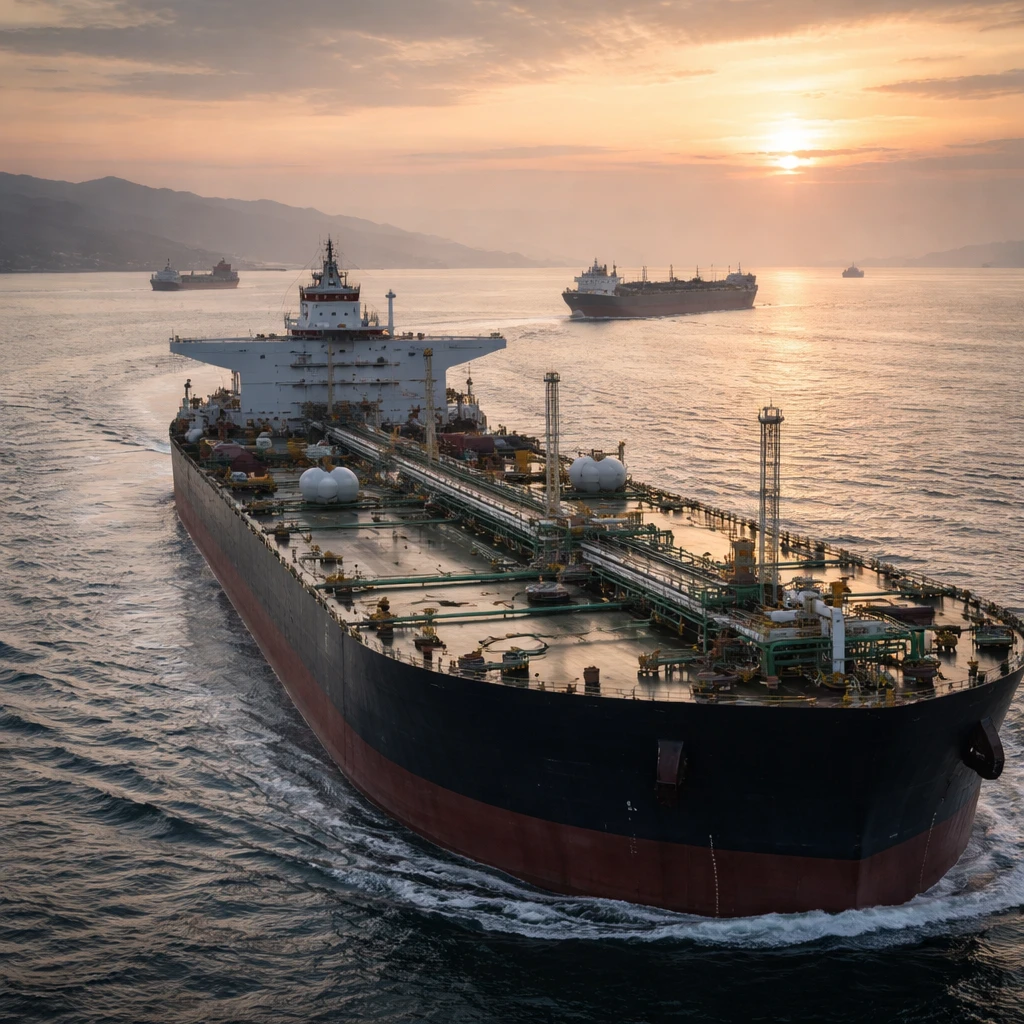
A reported deal between the US and Iran that could restore traffic through the Strait of Hormuz would remove a key geopolitical risk to oil shipments, but ING analysts caution that such a development will not automatically change how central banks approach imminent policy meetings.
In a research note, ING says that while market moves already show signs of taking a potential easing of the crisis on board - with equities reaching fresh highs and two-year swap rates, which serve as a proxy for near-term monetary policy expectations, moving lower as crude prices ease - policymakers are likely to respond with restraint.
ING argues that even if the reports of a deal prove accurate, "a breakthrough wouldn't change much for the rapidly approaching round of central bank meetings." The firm notes that speculation around a reopening of the Strait has recurred repeatedly in recent weeks, suggesting the headlines alone are not a reliable guide to policy shifts.
Crucially, ING highlights several structural and market considerations that limit the scale and permanence of any near-term oil price decline. Their energy team estimates the market will be left short by "upwards of 1.6 billion barrels when this is all said and done," a gap that reflects lost production and draws on inventories. That shortfall means strategic reserves will need replenishing and damaged output must be restored before global supply is genuinely comfortable.
Against that backdrop, ING does not expect crude to fall "below $90/bbl this year, even if oil flows return close to normal by July." The bank also points to gas market signals that support a similar conclusion: Europe faces a risk of renewed tightness later in the year, which could limit the duration of any near-term price relief.
Given the sensitivity of inflation to energy costs, ING says central banks - notably the Fed and the ECB - will likely treat any short-term market optimism with caution. With meetings approaching, policymakers may prefer to wait for more durable signs that supply, inventories and energy-driven inflation pressures have eased before adjusting policy paths.
Bottom line: A diplomatic breakthrough that eases tensions in the Strait of Hormuz could reduce immediate tail risks to oil supply, but ING warns the scale of existing deficits, the need to rebuild reserves and possible European gas tightness mean oil prices are unlikely to collapse. Those realities reduce the chance of a rapid pivot by major central banks at their next meetings.