
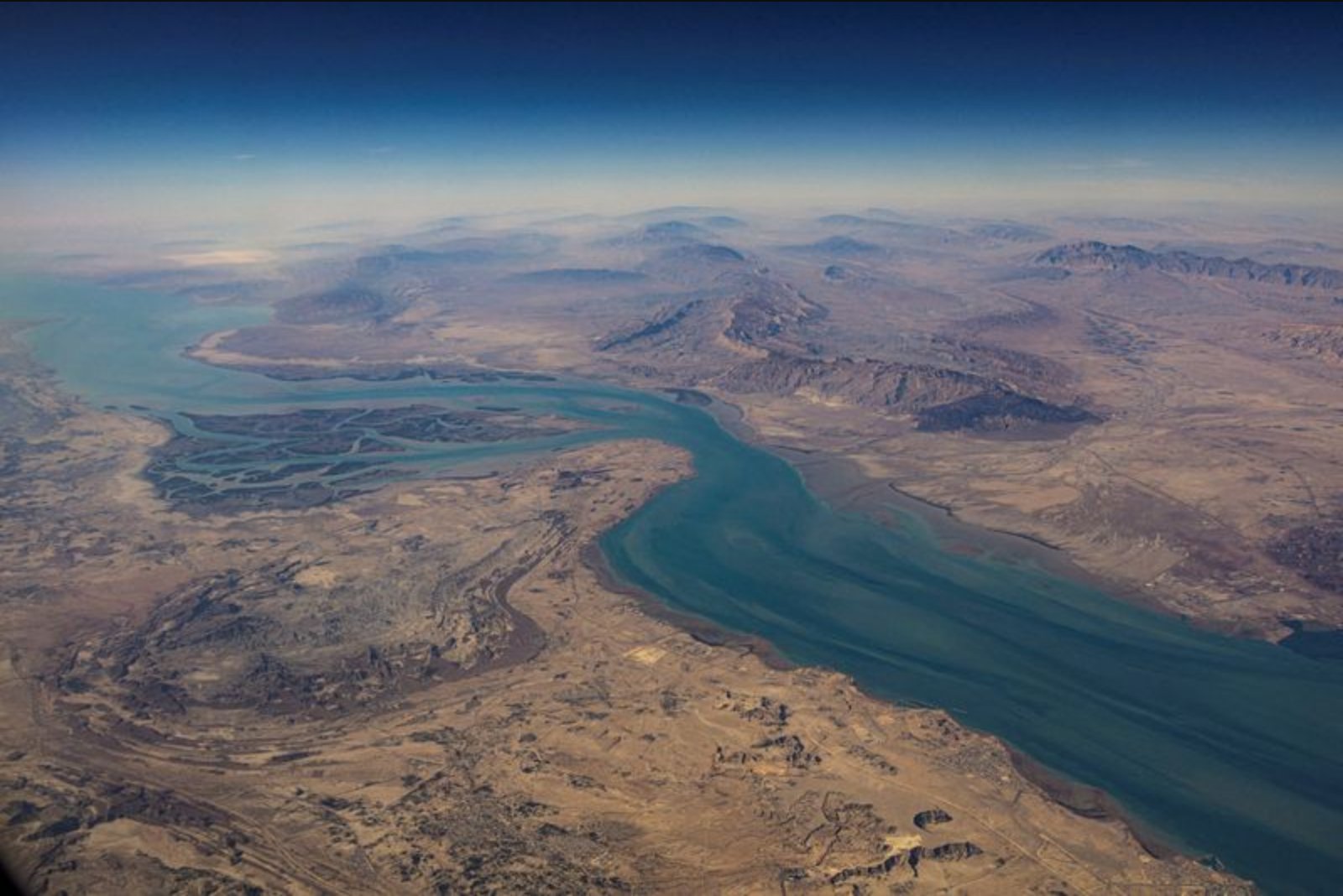
Asian markets opened with heightened attention on the Strait of Hormuz and diplomatic activity surrounding Washington's push to secure multinational naval escorts. Early commentary suggested the White House would soon announce that multiple countries had agreed to accompany commercial shipping through the narrow waterway, though there remained uncertainty over whether any operation would start before or after hostilities concluded.
That initial narrative subsequently narrowed. Current reports indicate President Trump has held discussions with seven countries about the possibility of escorting vessels through the strait, but no firm agreement has been reached. Nations named in those talks include France, Japan, South Korea, Britain and China. The inclusion of Beijing in those conversations is likely to draw diplomatic scrutiny.
Observers note that Beijing has a relatively larger complement of vessels suitable for such escort missions than the United States, which is constrained by a scarcity of frigates and minesweepers. The optics of the Chinese navy performing an operation that U.S. forces are described as ill-equipped to carry out - namely keeping the strait open - could become leverage in negotiations taking place in Paris, where U.S.-China trade talks are under way.
European ministers are convening to address the situation today, and recent rhetoric from the White House - perceived by some as a threat to the future of NATO if allied support is withheld - may have complicated transatlantic cooperation.
Whatever the diplomatic outcome, the practical effect on maritime flows is clear: the Strait of Hormuz remains effectively throttled. The disruption is extending beyond crude oil to refined fuel markets. In response to the constrained passage and potential supply shocks, a number of countries, including China, have restricted exports of refined products to protect their domestic inventories. Those export controls are transmitting through regional energy markets in Asia.
Australia is highlighted as a market facing acute pressure, with diesel shortages reported. Diesel is singled out for its operational importance across mining and farming sectors, and curtailed shipments are creating immediate logistical and operational headaches in those industries.
Even if a coalition of naval escorts were assembled, significant doubts persist about whether surface warships alone could guarantee secure transit through the strait - a narrow channel with Iranian forces positioned to the north. Any attempt to seize control of the northern shore, the analysis goes, would require ground forces and would carry the prospect of heavy casualties, a factor that underlines the limits of a purely naval solution.
Markets reacted: Brent crude traded more than 1% higher in Asian hours, with volatility and choppy trading conditions reported. The resurgence of geopolitical risk has complicated the outlook for central bankers meeting this week. Hopes for near-term policy easing appear to have faded; investors are pricing in rate increases for the European Central Bank, the Bank of England, the Bank of Canada and the Riksbank. The Reserve Bank of Australia is also seen as likely to raise rates for a second consecutive meeting.
In the United States, markets now show only a single rate cut priced for the Federal Reserve, and it is possible the Fed's median projections - the so-called dot plot - could eliminate even that modest easing expectation.
Key developments that could influence markets today:
- U.S. Treasury Secretary Scott Bessent holds trade talks with Chinese Vice Premier He Lifeng in Paris
- Empire State PMI
- U.S. February industrial output
- NAHB housing sentiment index