
The U.S. Senate on Thursday was positioned to approve a bipartisan housing package intended to spur the creation of more affordable homes nationwide, a development that also gives members of Congress material to cite on the campaign trail this year as they address rising living costs.
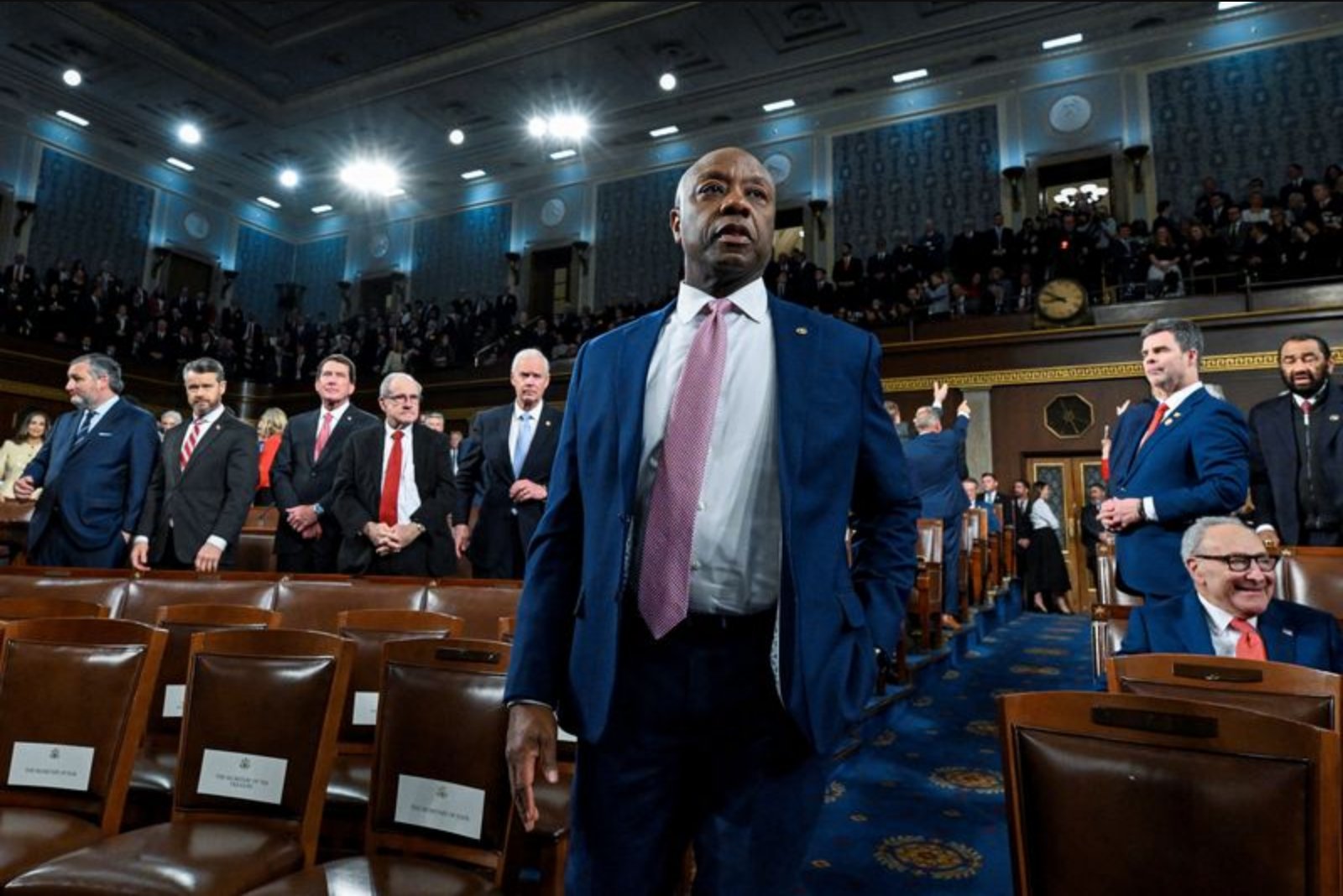
The legislation was led jointly by Senate Banking Committee Chairman Tim Scott of South Carolina, described as a conservative Republican, and Senator Elizabeth Warren of Massachusetts, the panel's progressive senior Democrat. If the Senate votes to pass the measure as expected, it would proceed to the House of Representatives for review and a separate vote.
Late on Wednesday, senators cast overwhelmingly favorable votes to move the bill forward, signaling strong bipartisan support even as the chamber spent much of the day locked in sharp disputes over immigration policy and over a war President Donald Trump is waging on Iran without approval by Congress.
In a Senate address on Wednesday, Democratic Representative Andy Kim of New Jersey said the bill "will take meaningful steps to lower the first-time home buyer age significantly by allowing for the construction of substantially more homes at more affordable prices."
The package bundles a range of government incentives aimed at the housing and financial sectors to reduce what lawmakers estimate is a roughly 4 million-unit housing shortfall. Lawmakers attribute that gap to several factors that have constrained supply: elevated mortgage interest rates, an increase in home prices of about 60% since 2019 according to some estimates, shortages of construction materials after the COVID pandemic, and lingering effects from the 2008 financial crisis.
Key provisions would ease or waive environmental reviews on certain construction projects and accelerate approvals in other cases, while freeing additional financing through federal block grants to states. The bill would also increase loan limits for federally-backed mortgages that support multifamily housing development, intended to make such projects more financeable.
Among the most debated elements are rules aimed at limiting large-scale investor activity in the single-family market. The bill would cap institutional investors' purchases of single-family homes at 350 and would require that newly built rental housing owned by such investors be sold after seven years. Sponsors say these steps are designed to reduce situations in which investors outbid individual homebuyers.
Industry groups have raised objections to those investor-focused provisions, arguing this week that the measures could, in their view, reduce the overall availability of housing units on the market.
Context and next steps
If the Senate completes the expected passage, the package must still be reviewed and voted on by the House, where its fate is not determined in this text. The Senate votes to advance the legislation reflected a rare moment of cross-party cooperation amid otherwise contentious debate in the chamber.