
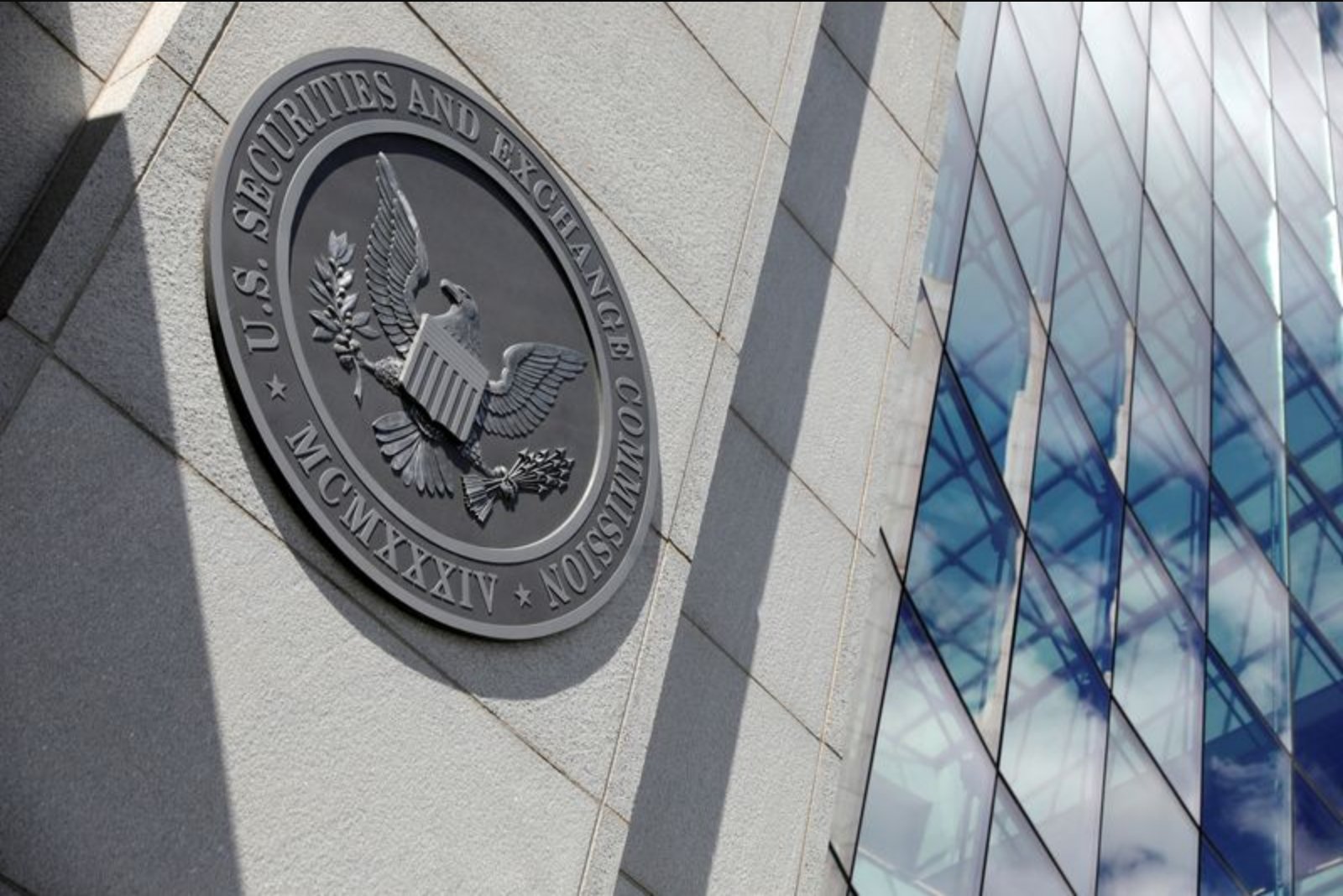
Feb 24 - The U.S. Securities and Exchange Commission announced on Tuesday a set of changes to its enforcement manual intended to give individuals and firms under investigation more time and clearer access to staff at the start of probes. The changes formalize procedures surrounding so-called Wells notices and introduce additional guidance on staff communications and potential waivers tied to enforcement outcomes.
At the center of the revisions are Wells notices, the alerts that notify a firm or individual that the agency is considering bringing charges. Under the revised guidance, recipients of Wells notices will be afforded four weeks to file a written response to the allegations. The agency said this is a change from common practice in which two weeks was often provided, although staff could extend that period in certain cases.
In addition to the extended written-response window, the updated manual guarantees that subjects who submit a response will be entitled to a meeting with SEC staff within four weeks of that submission. Agency officials indicated the meeting requirement is intended to reduce delays and facilitate more meaningful dialogue between staff and the subjects of investigations.
"We’re trying to be more efficient. This gives them enough time to focus on legal or factual issues and to respond in a meaningful way," SEC enforcement director Margaret Ryan said in an interview. "We’re hoping to underscore the importance of open, informed dialogue." The agency framed the changes as an effort to achieve greater uniformity in how enforcement staff interact with those under scrutiny.
The update to the enforcement manual is the first since 2017 and comes as part of broader adjustments to the agency's approach to policing financial markets under Republican Chairman Paul Atkins. Atkins has argued that the agency at times can be too opaque in its dealings with subjects of enforcement inquiries.
Some Wall Street attorneys have long criticized the SEC for inconsistent communications with the subjects of probes, saying that practices varied by office or investigative unit. The manual's clarifications on timelines and meetings are intended to address that variability and bring more predictable procedures across the agency.
Defense counsel welcomed aspects of the update. "More predictability is a good thing here. In the past, the process was very ad hoc and informal," said Robert Frenchman, a lawyer with Dynamis LLP. Another attorney who commented on the changes described them as an institutional shift rather than a concession. "This is not a giveaway to the defense bar. It’s an enhancement of the process," said Stephen Crimmins of Davis Wright Tremaine. "It allows everyone, before embarking on litigation, to put their cards on the table."
Beyond the Wells notice provisions, the manual includes new direction on how SEC staff should share key information with people or firms being scrutinized. The agency said these provisions respond to calls from practitioners for clearer disclosure of material information during investigations.
Separately, the manual lays out details for a process through which a firm under investigation could receive a waiver from certain consequences of an enforcement action - such as penalties tied to securities registration benefits - at the same time the agency is considering a settlement. The manual describes this as an additional tool staff may use while weighing resolution options with a respondent.
The SEC characterized the package of updates as an effort to streamline procedures, make staff interactions more consistent, and facilitate timely exchange of information early in the enforcement process. The agency and outside counsel alike framed the changes as procedural enhancements designed to allow subjects a clearer opportunity to address legal and factual issues before litigation or settlement decisions are finalized.