
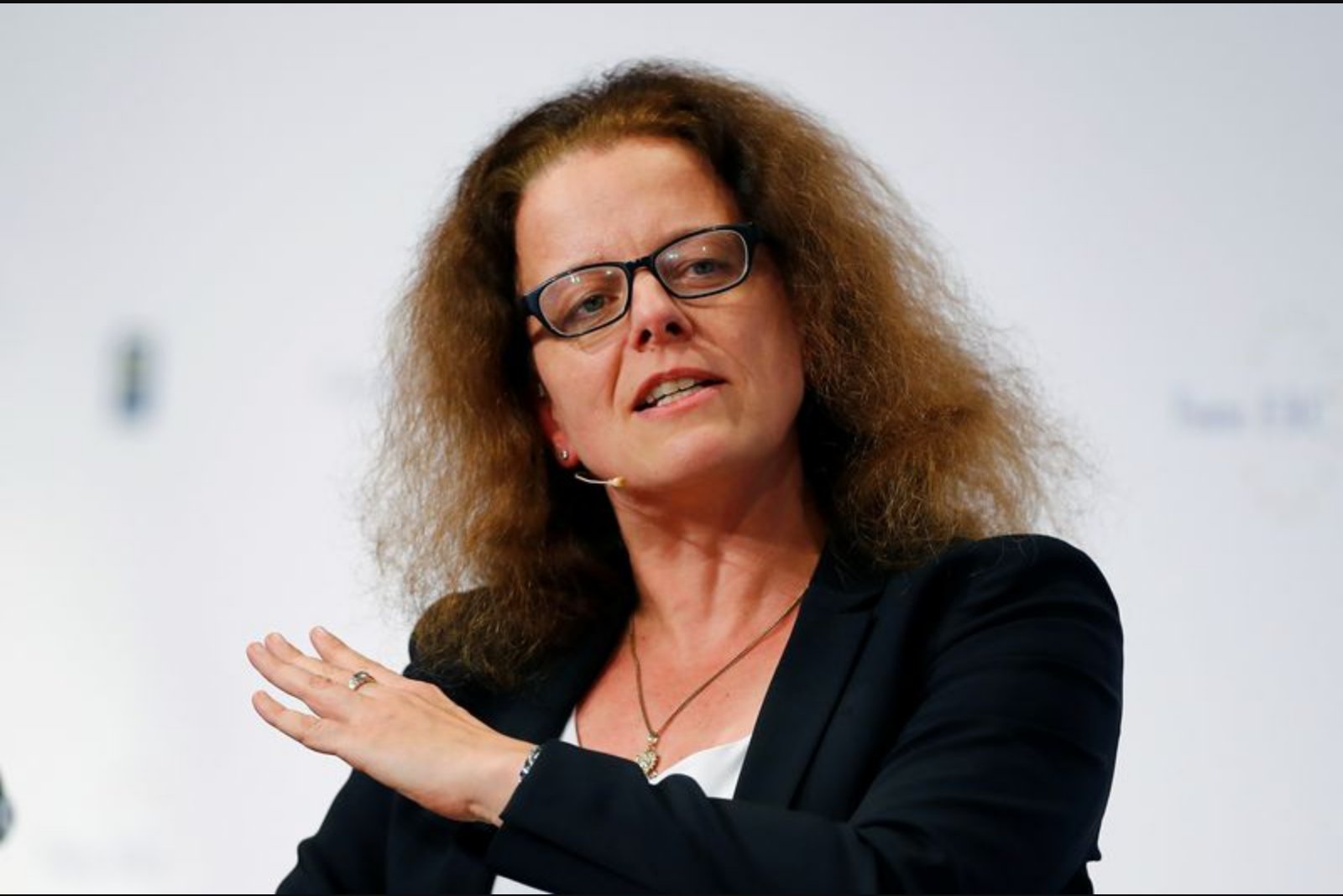
FRANKFURT, March 6 - The European Central Bank’s stance on monetary policy is, at present, in what ECB board member Isabel Schnabel described as a "good place," yet she stressed that recent geopolitical volatility linked to Iran has introduced renewed upside risks to inflation that demand the bank’s attention.
Speaking in New York on Friday, Schnabel said financial market participants this week increased their expectations that the ECB might raise interest rates in 2026. The catalyst for this shift was a sharp jump in energy prices connected to the conflict, a move the ECB official said is likely to transmit rapidly to consumer prices and could lift inflation above the bank’s 2% target.
"With inflation projected to be at our target over the medium term and inflation expectations anchored, monetary policy remains in a good place," Schnabel said. She added that the current geopolitical and macroeconomic backdrop creates upside risks to inflation over the policy-relevant horizon and therefore warrants vigilance from policymakers.
Schnabel highlighted the importance of assessing whether the recent energy-price shock is persistent, whether it affects inflation expectations and whether companies begin to pass higher input costs on to consumers. The spike in energy prices following tensions in Iran, she said, has increased uncertainty around the projected inflation path.
The ECB will have the opportunity to evaluate the economic impact of the Iran conflict when it meets on March 19. Schnabel acknowledged that most policymakers have rejected the idea that the bank would move policy imminently this month, but she stressed the need to monitor developments closely.
She argued that small and temporary overshoots of the target would be of limited relevance for policy so long as expectations remain anchored at 2%. Problems arise, Schnabel warned, if underlying price trends and wage developments drift away from the target in a way that echoes the post-pandemic period, which taught central banks to be cautious.
Schnabel recalled the pattern seen after the pandemic reopening in 2021, when inflation began to rise and many central banks initially described the move as "transitory." That view proved incorrect as price growth accelerated into double-digit territory by late 2022, prompting central banks to respond. The ECB, Schnabel noted, was among the later major central banks to act and then raised rates rapidly from July 2022. She also emphasized that the ECB was the first among the major central banks to bring inflation back to target, where it has spent most of the past year.
The ECB board member also downplayed the notion that increased imports from China, tied to shifting trade patterns under U.S. tariffs, would exert a significant downward pull on prices in the euro area. "ECB staff analysis finds that the estimated impact of trade diversion from China on the euro area is modest and statistically insignificant," she said, adding that even under extreme scenarios the effect on prices is small.
Beyond trade developments, Schnabel warned that upward pressure on prices could persist because of a historically tight labour market. She noted demographic forces such as rapid ageing, alongside moderating immigration and growing skill mismatches, as factors likely to tighten the labour market further and sustain wage pressures.
In sum, Schnabel’s remarks underline that while the ECB’s projections and the anchoring of expectations give it room for a cautious approach, recent geopolitical shocks and structural labour-market dynamics create risks that could push inflation above the bank’s 2% target and require sustained monitoring.
Summary
The ECB’s monetary policy stance is judged to be in a sound position, but recent tensions tied to Iran and a related spike in energy prices have raised upside inflation risks. Isabel Schnabel said the ECB must watch the persistence of the shock, its effect on inflation expectations, and whether firms begin to pass costs to consumers. While medium-term projections keep inflation at the 2% target and expectations remain anchored, labour-market tightness and demographic pressures could sustain upward price pressure.