
Economy March 2, 2026

Russia Says It Is in Ongoing Contact with Iran After Strikes Spark Diplomatic Fallout

Kremlin voices alarm over attacks it calls 'outright aggression' as leaders coordinate calls and regional dialogue continues

By Priya Menon
Russia Says It Is in Ongoing Contact with Iran After Strikes Spark Diplomatic Fallout

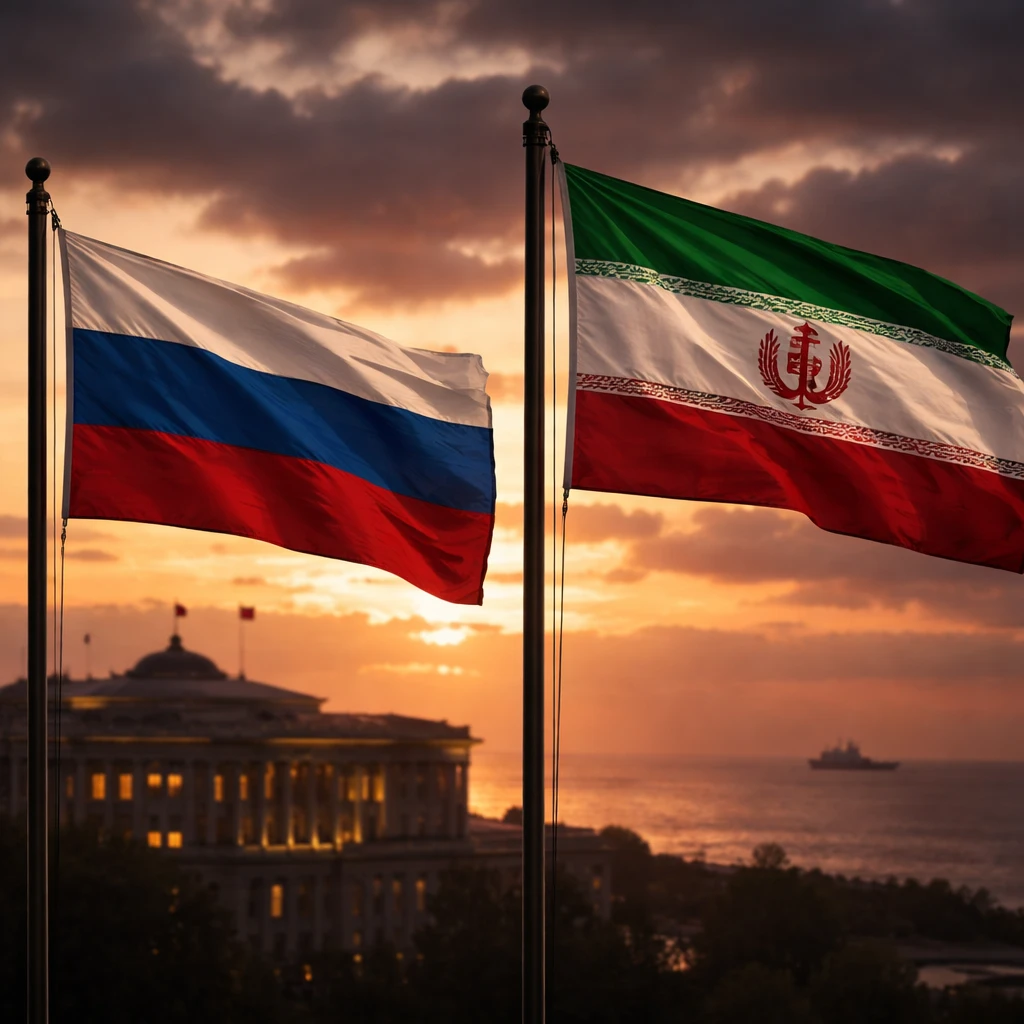
The Kremlin says it is maintaining continuous communication with Iranian authorities after U.S. strikes that Moscow described as 'outright aggression.' Kremlin spokesman Dmitry Peskov expressed deep disappointment that negotiations mediated by Oman appeared to collapse into attacks, and said President Vladimir Putin plans an Iran-related international phone call while Russia continues discussions with other regional governments.

Key Points

  • Russia says it is maintaining continuous contact with Iranian leadership following what Moscow described as "outright aggression".
  • Kremlin spokesman Dmitry Peskov stated Russia is analyzing the situation and drawing conclusions after U.S. strikes despite apparent progress in Oman-mediated negotiations between the United States and Iran.
  • President Vladimir Putin condemned the killing of Iranian Supreme Leader Ayatollah Ali Khamenei as a "cynical" murder, and the Russian Foreign Ministry accused the U.S. and Israel of plunging the Middle East "into an abyss of uncontrolled escalation."

Russia reported on Monday that it remains in steady communication with Iran following what Moscow characterized as "outright aggression" against Tehran. Kremlin spokesman Dmitry Peskov told reporters that Russian officials are reviewing the events and drawing conclusions after strikes by Washington, despite what had appeared to be productive talks.

Peskov addressed recent diplomatic efforts, noting that negotiations mediated by Oman between the United States and Iran had shown signs of progress before the situation deteriorated. "As for the negotiations mediated by Oman between the United States and Iran, we can certainly express our deep disappointment that, despite reports of significant progress in these negotiations, the situation has nevertheless deteriorated into outright aggression," he said.

On Sunday, President Vladimir Putin denounced the killing of Iranian Supreme Leader Ayatollah Ali Khamenei as a "cynical" murder, language reflecting the Kremlin's strong condemnation of the developments. The Russian Foreign Ministry additionally accused the United States and Israel of driving the Middle East "into an abyss of uncontrolled escalation."

Peskov added that Putin was scheduled to place an international phone call related to Iran later on Monday, but did not identify the intended recipient. "I can only say that we are in constant contact with the Iranian leadership and are discussing the situation surrounding that country. At the same time, we are continuing our dialogue with the leadership of the countries affected by the conflict, including the Persian Gulf states," he said.

Russia's public comments underline its role as an active interlocutor with Tehran and other governments in the region at a moment of heightened tensions. Officials said they are analyzing the sequence of events that followed what had been described as promising diplomatic engagement and are assessing next steps in their bilateral and regional contacts.


Summary

Russian officials report continuous engagement with Iran after U.S. strikes, express disappointment that Oman-mediated talks between Washington and Tehran appear to have collapsed into violence, and signal high-level diplomatic activity including an incoming call by President Putin.

Risks

  • Escalation of regional tensions - geopolitical instability could affect energy and shipping sectors, particularly in and around the Persian Gulf.
  • Breakdown of negotiated channels - the deterioration of Oman-mediated talks may limit diplomatic avenues, raising uncertainty for markets sensitive to geopolitical risk.
  • Unclear diplomatic responses - pending international calls and ongoing analyses by Russia introduce uncertainty about next steps among regional governments and external actors, impacting defense and security-related sectors.

More from Economy

BoE policymaker warns of weakening demand as inflation disappoints Mar 2, 2026 JPMorgan Lowers 2026 Non-Oil Growth Forecast for Gulf Economies amid Escalating Regional Tensions Mar 2, 2026 UK equities slide as Middle East escalation lifts oil and spooks markets Mar 2, 2026 Kremlin Reaffirms Preference for Diplomatic Resolution in Ukraine Talks Mar 2, 2026 Air Cargo Demand Climbs 5.6% in January as Regions Diverge Mar 2, 2026