
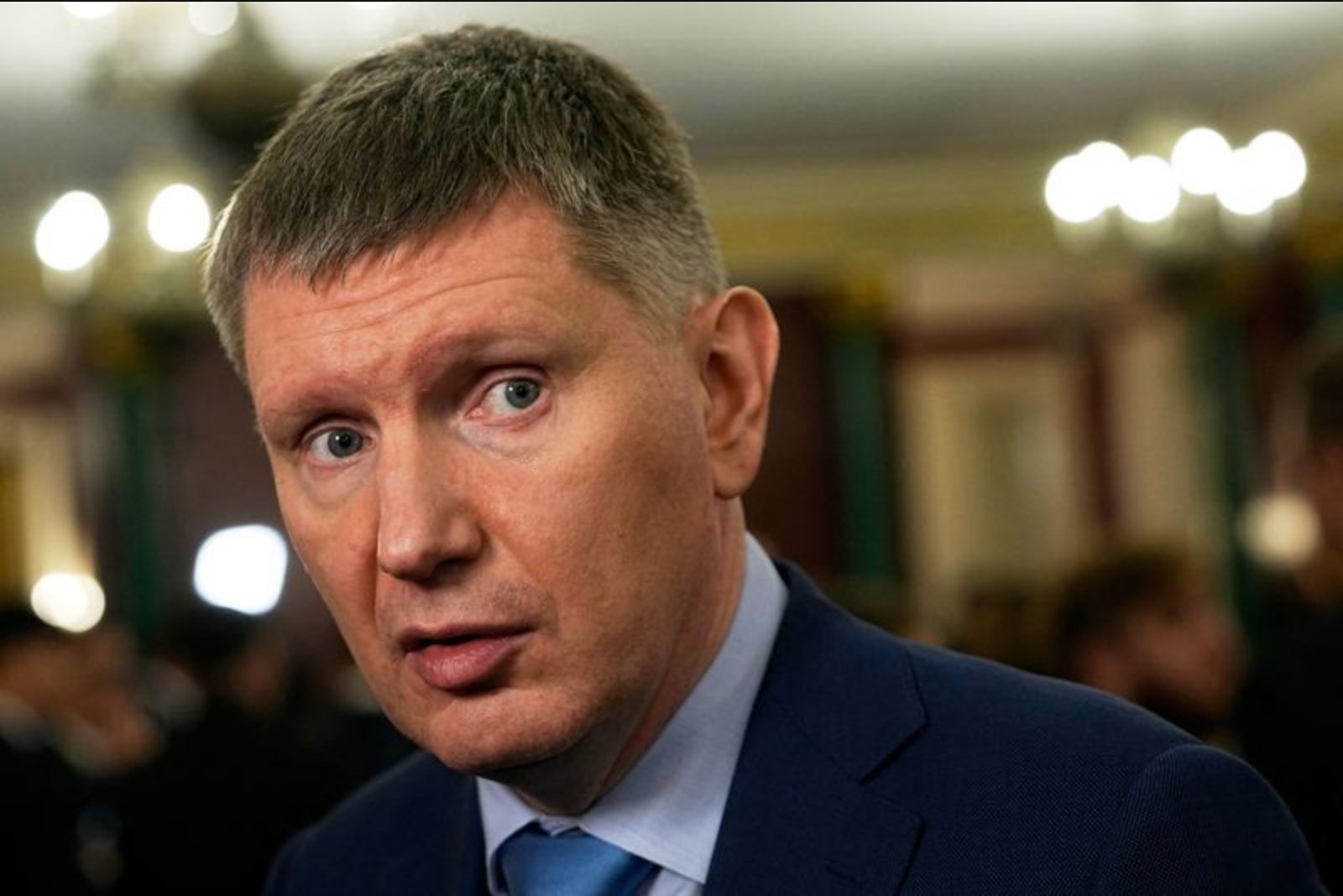
Russia's economic recovery has been pushed back, with growth expected to slow through the first half of the year and only resume at the earliest by the end of 2026 - and more likely in 2027, Economy Minister Maxim Reshetnikov said on Thursday.
The ministry had earlier anticipated a return to stronger growth in the second half of 2026, but Reshetnikov's comments indicate a more protracted period of subdued activity. After unusually rapid expansion of 4.1% and 4.9% in 2023 and 2024 - expansion that was underpinned by heavy state spending related to the war in Ukraine - the pace of growth has slowed markedly. Gross domestic product rose just 1% in 2025.
Officials have framed the weaker momentum as a policy choice rather than an uncontrolled downturn. Authorities describe it as a "managed cooling" or "soft landing" designed to reduce inflation by sustaining tight monetary conditions. President Vladimir Putin has instructed the government and the central bank to restore higher growth and to stimulate investment activity as early as 2026.
Reshetnikov summed up the trade-offs involved, saying the easing in GDP growth and the anticipated fall in investment in 2025 are the "natural price" of reducing inflation. Full-year investment figures for the previous year have not yet been published.
"Overall, we now see some scope for further monetary easing. But we must understand that whatever decisions are made now, their impact on the economy will be delayed. The estimated lag is 6-9 months, sometimes longer," Reshetnikov said.
He added: "Therefore, we expect a further economic slowdown in the first half of the year. Growth will resume at best by the end of 2026, but most likely in 2027."
Market participants are watching central bank moves closely. A poll of 24 analysts showed 16 expect the central bank to hold its key rate at 16% at an upcoming meeting, while eight predict a 50-basis-point cut to 15.5%.
The government's own forecast for 2026 remains modest, projecting GDP growth of 1.3%. Reshetnikov said the economy ministry will provide an updated outlook in March.
International institutions have also revised down expectations for Russia's near-term performance. The International Monetary Fund has reduced its projection for Russia's GDP growth this year to 0.8%, implying Russia will expand at roughly one-quarter of the expected global average of 3.3%. Some officials and analysts describe the country as hovering on the borderline between stagnation and recession.
With policy aimed at reining in inflation and the timing of monetary impacts delayed by several months, the near-term picture for investment and broader activity remains uncertain. Officials cite slower investment in 2025 as part of the calculated cost of bringing inflation lower, while full confirmation of that trend awaits the publication of annual investment figures.
Key upcoming dates and data points:
- Economy ministry to update its outlook in March.
- Central bank decision on the key rate expected at its meeting (poll indicates majority expect rate to remain at 16%).
- Full-year investment figures for the previous year - not yet published - will clarify the scale of the investment slowdown.