
Rising gasoline costs and renewed volatility in equity markets tied to the U.S.-Israeli conflict with Iran are creating fresh headwinds for American consumers from top to bottom of the income ladder, threatening a key support for growth that many economists had anticipated would strengthen this year.
At the start of 2024, forecasters had counted on dual sources of demand pulling the U.S. economy forward - what some describe as the two “spurs” of a K-shaped recovery. On one side, wealth effects from rising asset values were expected to encourage households with financial assets to spend more. On the other side, larger-than-usual income tax refunds driven by new exemptions for overtime and tip income were projected to boost the budgets of hourly and service workers.
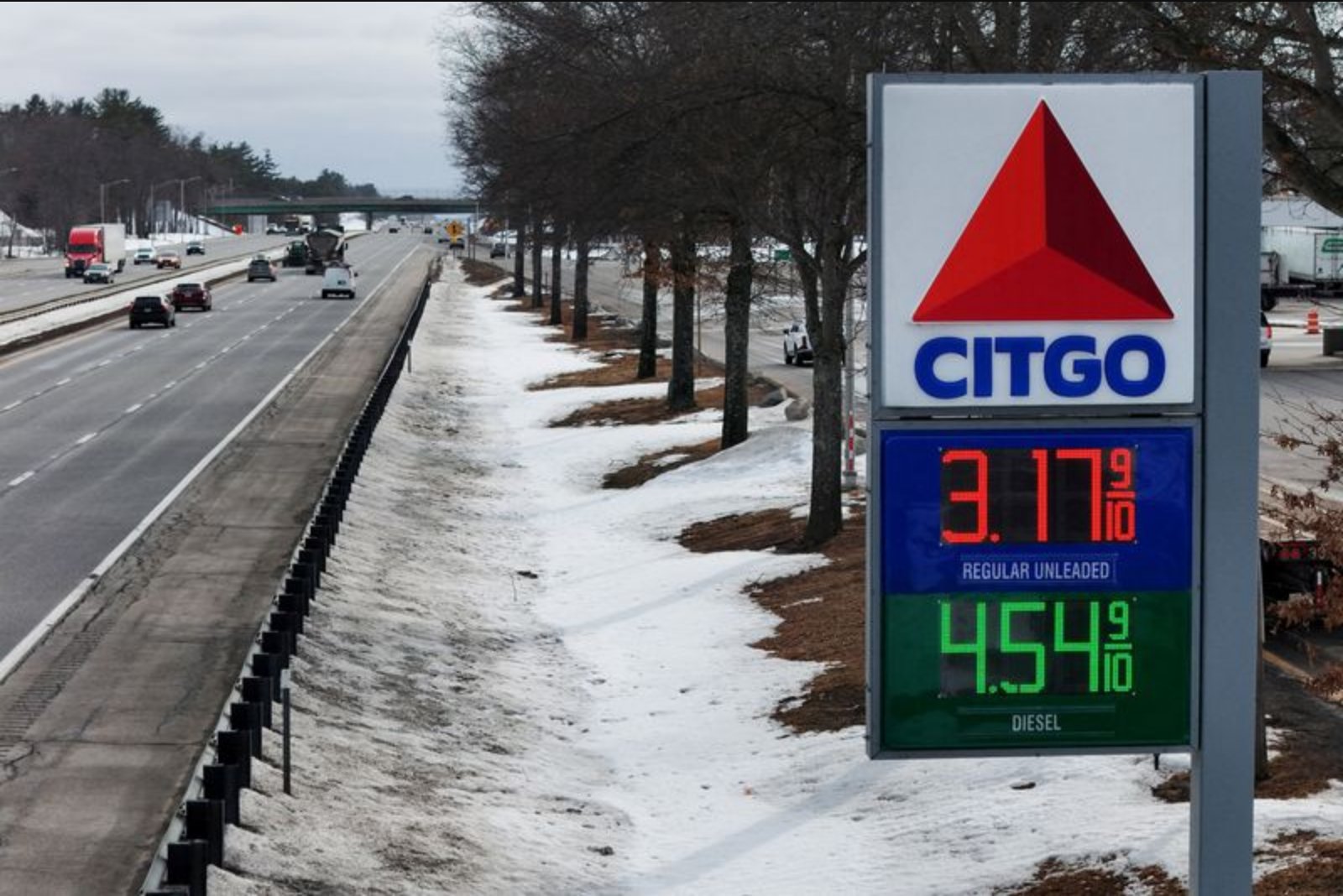
That optimistic picture is now strained from both directions. Average national gasoline prices rose above $3.50 a gallon as of Tuesday morning, according to data from the American Automobile Association, marking a roughly 17% increase from the about $3 average before the conflict began. All U.S. states except Kansas - where the average pump price was $2.96 - reported gasoline above $3. With ongoing disruptions to shipping through the Strait of Hormuz, analysts are treating $4 per gallon as a possible outcome if the hostilities continue.
Indicators of household wealth have been less steady as well. Major U.S. stock indices opened Tuesday with little net change after a roller-coaster reaction to public statements about the trajectory of the conflict. Stocks jumped when the President suggested a possible rapid de-escalation, only to lose some of that gain after more cautious language the following night left the possibility of a longer confrontation on the table. That uncertainty matters because consumers often tie spending decisions to perceived net worth, and swings in expectations about corporate earnings, commodity markets and global supply chains feed directly into confidence.
For lower-income households, the immediate effect of higher gasoline prices is straightforward: more of a tight budget is diverted to fuel, leaving less to spend on restaurants, retail and services. That redistribution of household spending can spread weakness across businesses that depend on discretionary purchases and could, over time, prompt employers to pull back on hiring or investment plans in the face of softer demand.
Luke Tilley, chief economist at Wilmington Trust, emphasized the tradeoff. "The higher the price and the longer it goes the more you shift from higher prices benefitting some companies who boost oil production and get more revenue...to really pinching consumers and being a drag on the economy," he said. Tilley added that sustained oil pricing in the $85 to $100 per barrel range for several months would likely "materially increase the risk of recession because the labor market is already in such a challenging state."
Benchmark Brent crude briefly topped $116 a barrel on Monday before falling below $90 and then rising again on Tuesday morning, illustrating the swings that can quickly change household and corporate calculations. The U.S. Defense Secretary said the day would see some of the most intense strikes yet on Iran, and a senior military official described plans to target Iran’s ability to lay mines in the Strait of Hormuz - a move framed as a potential step toward reopening a chokepoint through which much Middle Eastern oil moves. Those operations, and the prospect of a prolonged disruption in the strait, feed directly into the volatility in oil and gasoline prices.
The sudden shift in risks has put central bankers in a delicate position. Before the conflict, U.S. policymakers viewed the economy as essentially strong, with inflation running about a percentage point above the Fed’s 2% objective but expected to moderate, and an unemployment rate sitting near 4.3% without a clear view that it was poised to rise sharply. That assessment has been complicated by recent developments: the economy unexpectedly shed jobs in February, and now policy makers must weigh the added possibility that geopolitical uncertainty could make businesses more cautious about hiring even as higher energy prices push some inflation components upward.
Higher fuel costs can have multiple, sometimes offsetting, effects on measured inflation. In the short run they raise headline inflation directly and raise input costs for sectors such as shipping and home heating. Over time, however, if consumers reduce non-fuel spending enough to slow overall growth, that drag could ease broader price pressures. Still, central bankers remain attentive to the risk that visible price spikes in goods and services that consumers watch carefully - gasoline among them - can alter household inflation expectations.
Past research cited by policymakers underscores this concern. After oil prices surged in 2022 following Russia’s invasion of Ukraine, an analysis by the Kansas City Federal Reserve concluded that price jumps in highly visible consumer items like gasoline can have an outsized influence on household inflation expectations when those expectations are already elevated by an earlier shock. That dynamic is one reason officials have maintained a restrictive monetary stance in order to prevent expectations from becoming unanchored.
Market participants still see a path to interest-rate reductions later this year, but the timing has shifted back since the onset of U.S. military action, leaving a potential split among policymakers between concerns about containing inflation and keeping growth on track. The Federal Open Market Committee meets next week and is widely expected to hold its policy rate steady in the current 3.5% to 3.75% range.
Vincent Reinhart, chief economist at BNY Investments and a former senior Fed staffer, cautioned that it is far too early to draw firm conclusions about the conflict’s economic fallout. He noted that the U.S. status as a net energy producer complicates the picture: while higher global oil prices tend to translate into higher pump prices for U.S. consumers, they also translate into greater income for domestic energy companies and potentially more jobs and investment in that sector.
Nonetheless, Reinhart and other analysts underscore that duration and magnitude matter. If oil remains meaningfully above recent norms - for example, per-barrel prices staying in the upper $90s for a month or more - that could become a material shock sufficient to curtail consumption and slow growth. "You have to have prices meaningfully higher than what people are used to," Reinhart said. "It’s got to be big enough. We’re not at the big enough stage."
The unfolding situation presents a complex mix of channels through which households and markets could be affected. Rising gas prices immediately squeeze household budgets, especially for lower-income consumers who spend a larger share of income on fuel. For wealthier households, swings in asset prices alter net-worth calculations and the propensity to spend. Corporate profits and investment plans are vulnerable to higher input costs and uncertain demand, and central bank decisions must now balance a shifting mix of upside and downside risks to inflation and growth.
At the same time, parts of the U.S. economy tied to energy production could see revenue gains if global prices stay elevated, creating offsetting income flows that complicate simple narratives of uniform harm. The key variables in the months ahead will be how long elevated oil and gasoline prices persist, how equity markets respond to the course of the conflict and whether businesses alter hiring and capital plans in response to changing demand expectations.
Key points
- Average U.S. gasoline prices climbed to above $3.50 per gallon, a roughly 17% increase from pre-conflict averages, and could reach $4 if disruptions continue.
- Stock market swings tied to comments about the conflict have reduced the reliability of wealth effects as a spending driver for higher-income households.
- Higher fuel costs and market volatility threaten spending across income groups and complicate Federal Reserve decisions on interest rates.
Risks and uncertainties
- Prolonged oil prices in the $85 to $100 per barrel range could materially raise recession risk by pinching consumer spending and tightening labor market conditions.
- Higher and sustained gasoline prices may amplify household inflation expectations, especially if consumers are already primed by earlier shocks, complicating efforts to anchor inflation.
- Ongoing geopolitical operations affecting the Strait of Hormuz could keep oil markets volatile, with direct implications for shipping, commodity markets and corporate earnings.