
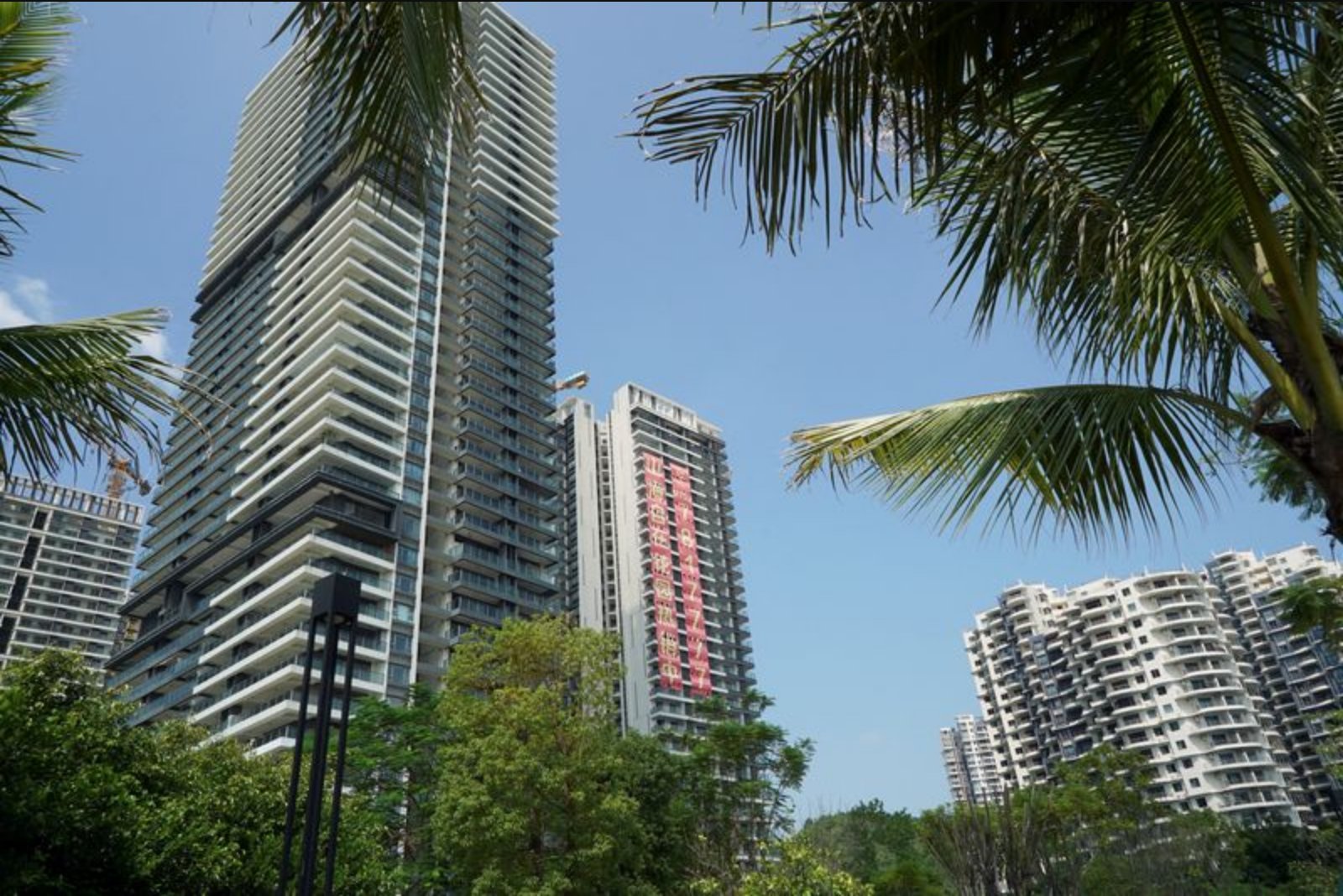
China's housing market is expected to experience a deeper contraction in 2026 before a period of stabilisation in 2027, according to a quarterly Reuters poll conducted from March 2 to 12. The survey projects a 4.0% decline in home prices in 2026, steeper than the 2.8% drop predicted in the previous poll, with prices remaining flat in 2027 and rising modestly by 0.5% in 2028.
The property sector - once a major engine of growth - remains mired in a prolonged downturn that has eroded household wealth and weighed on consumer spending across the economy. Despite repeated rounds of policy easing since the market slid into crisis in 2021, including looser home-purchase restrictions and lower down-payment requirements, housing demand has largely stayed subdued.
Structural headwinds
Analysts point to a number of structural challenges that continue to drag on the market. Lulu Shi, director of Asia-Pacific corporate ratings at Fitch Ratings, said the sector confronts "demographic shifts, an uncertain employment environment, low housing affordability and high stocks of unsold homes." Shi added that stabilising the sector will require a broad policy package to support the wider economy, improvements in labour-market conditions and a reduction in housing inventory - a process she said will take time.
Capital Economics' China economist Zichun Huang echoed the assessment that the market has not yet found a bottom. Huang said that a clear signal of substantial fiscal commitment from policymakers to reduce unsold homes would be a potential turning point. Absent such a signal, he said the government appears to be waiting for supply and demand to realign gradually, a process he expects will take several more years.
Investment and sales outlook
The Reuters poll also shows weakness in other property-related activity for this year. Property investment is forecast to decline 10.3%, while sales are expected to fall 6.5%.
Chinese authorities have pledged to stabilise the real estate market and to make better use of existing housing stock, according to an official government report released on March 5. Measures mentioned in that report include buying unsold homes for conversion into government-subsidised housing as part of efforts to improve housing supply and address inventory overhang.
However, analysts warn that outcomes remain uncertain. Shi cautioned that "home prices could fall more than we forecast if macro-level government policies fail to boost confidence, potentially causing further market disruption through rising residential mortgage delinquencies and increased instances of negative equity."
Implications
Taken together, the poll's findings signal continued downward pressure on prices in the near term, persistent weakness in investment and sales, and a need for policy measures that do more than incremental support if the market is to recover more quickly.