
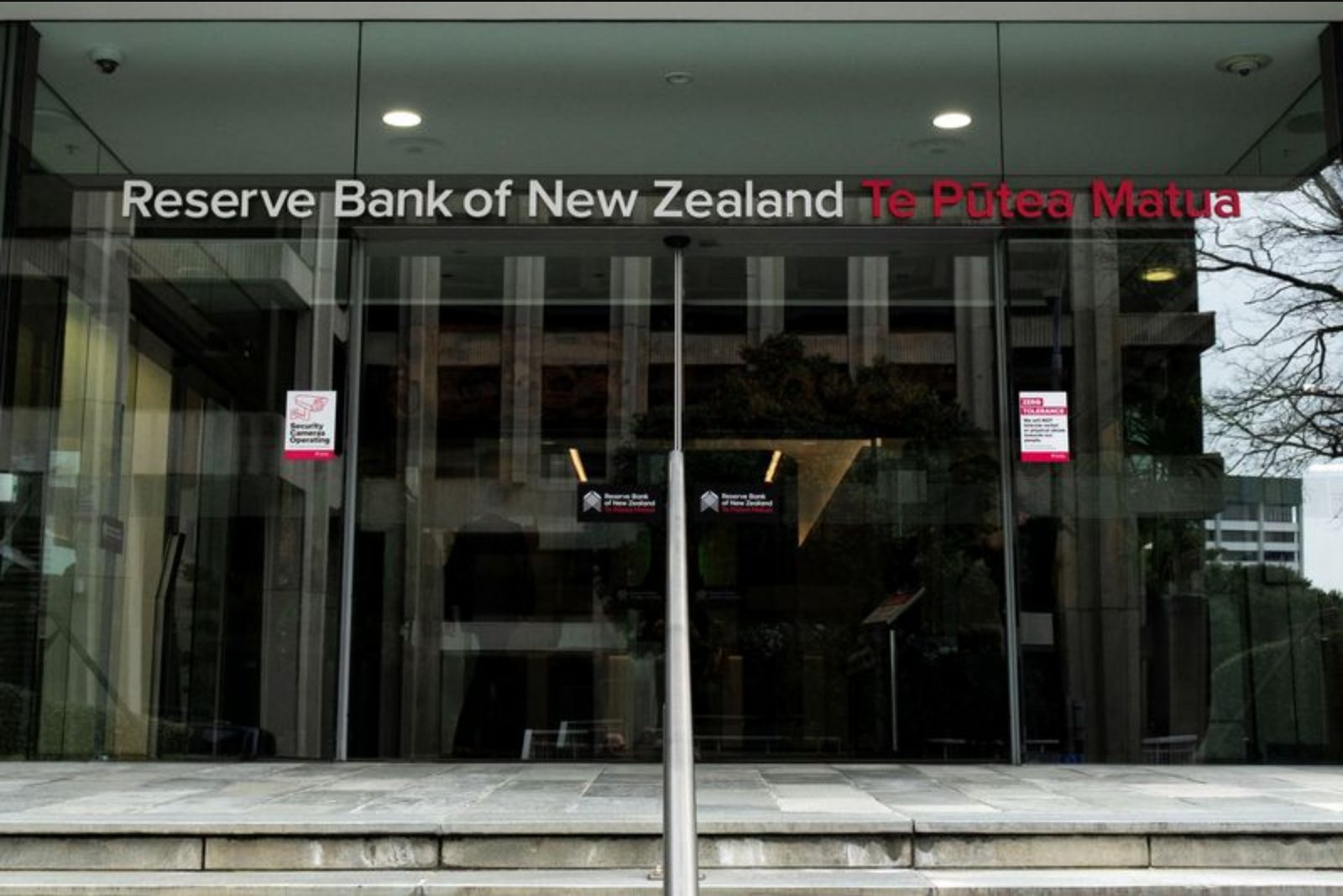
WELLINGTON, March 13 - New Zealand's central bank has put forward a proposal that would obligate banks to sustain a minimum level of cash-related services, a move that has drawn criticism from the country's lenders at a time when economies are shifting increasingly toward digital payments.
Last month the Reserve Bank of New Zealand opened a public consultation outlining a plan to require banks to provide core cash services. The measures under discussion include increasing the number of automated teller machines available to the public and cutting fees charged for cash withdrawals.
The consultation document framed the proposal as a response to concerns that the rapid move to digital transactions could disadvantage vulnerable segments of the population and expose payment systems to strain during outages or natural disasters. The central bank highlighted the need to ensure that people can access physical money when they need it.
"The public expect banks to provide cash services to them, but banks have been steadily reducing points of access for their customers to get cash, bank cash or get change, especially in rural areas," said Ian Woolford, the RBNZ's director of money and cash, when the consultation was unveiled on February 25. "We want this to change."
Banks have responded critically to the proposal. "This proposal is extreme," said Roger Beaumont, chief executive of the New Zealand Banking Association, which represents the country's lenders. He said the consultation had come as a "huge surprise," and added that banks had been working on ways to ensure customers who still used cash could access it even as demand declines and that they were coordinating with members to respond to the consultation.
The Reserve Bank has estimated the proposed requirements would impose costs on banks of about NZ$104 million a year. The central bank noted this figure is a modest share of the banking sector's reported annual pre-tax profit of more than NZ$10 billion.
The backdrop to the proposal includes a sustained reduction in physical bank infrastructure and cash use. Over the past decade about 40% of bank branches in New Zealand have closed. Meanwhile, the share of everyday purchases made in cash fell to 57.2% in 2023 from 95.8% in 2019, according to the central bank.
Policy makers, governments and commercial lenders globally have been evaluating ways to preserve access to cash. Studies cited by the Reserve Bank have shown cash remains important for financial inclusion and can be critical following natural disasters such as cyclones, when digital systems may be disrupted.
Advocates for retaining broad cash access emphasise several groups that rely disproportionately on physical currency. Jake Lilley, senior policy advisor at the financial mentoring service FinCap, said cash remains vital for people on tight budgets, for small businesses and for individuals who have difficulty accessing mainstream banking services, including people leaving prison or escaping violent relationships.
"There's all sorts of vulnerabilities where cash provides a helpful way forward," Lilley said.
Research commissioned by the central bank also found cash continues to play a role in rural communities and for community groups, and that it carries cultural, social and practical significance in Maori communities.
Mark Hooper, banking spokesman for lobbying group Federated Farmers, said that while agricultural businesses increasingly rely on digital services and cash is less important for their core transactions, cash still plays an essential role in community activities and for small traders. He pointed to local events and the need for small businesses to maintain cash floats.
"Cash is still quite a big component of all that sort of thing," he said.
The Reserve Bank's consultation has opened a debate about the balance between digital convenience and maintaining robust access to cash. Submissions from banks, community groups and other stakeholders will inform whether the central bank moves forward with mandatory minimums and how any requirements would be implemented.