
Economy March 11, 2026

Reeves Says Economic Impact of Middle East Conflict Remains Unclear, Government Preparing Protections

Finance minister urges caution on inflation and growth forecasts while promising targeted consumer support and monitoring

By Nina Shah
Reeves Says Economic Impact of Middle East Conflict Remains Unclear, Government Preparing Protections

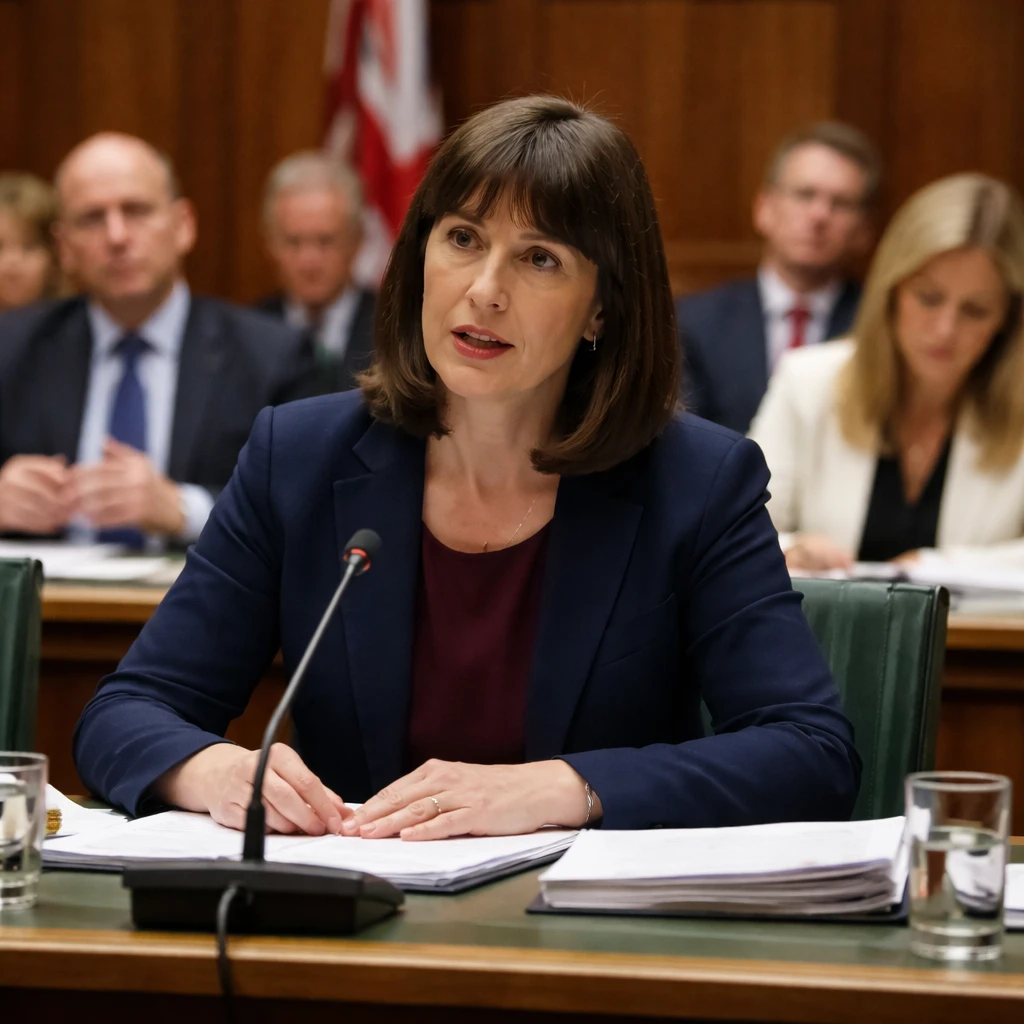
British Finance Minister Rachel Reeves told the Treasury Committee that it is too soon to quantify how the Middle East conflict will affect the UK economy. The government is assessing multiple scenarios, monitoring developments closely, and intends to protect consumers from potential fallout while balancing national security and fiscal constraints. Market reaction has included a notable sell-off in government bonds amid concerns about increased borrowing.

Key Points

  • The finance minister told the Treasury Committee it is too early to assess the conflict's impact on inflation, growth or interest rates; the government is monitoring multiple scenarios - sectors impacted: macroeconomy, monetary policy.
  • Reeves has warned inflation is likely to rise due to higher global energy prices linked to the U.S.-Israeli war with Iran; this chiefly affects consumers and the energy sector.
  • British government bonds have dropped sharply since the conflict began, reflecting investor concern about potential increased government borrowing to shield households and businesses - sectors impacted: government debt markets, financial markets.

British Finance Minister Rachel Reeves told lawmakers on Wednesday that it is premature to draw firm conclusions about how the ongoing Middle East conflict will influence the United Kingdom's economy. Speaking to the Treasury Committee, she cautioned against speculation over likely effects on inflation, growth or interest rates at this early stage.

Reeves said the government is examining a range of potential scenarios and is keeping a close watch on developments as they unfold. She emphasised that, for now, forecasting precise changes to core macroeconomic indicators would be unwise.

The finance minister has previously warned that inflation is likely to rise because of higher global energy prices linked to the U.S.-Israeli war with Iran. When members of the committee asked whether the UK could afford large-scale cost-of-living support similar to measures introduced after Russia's full-scale invasion of Ukraine in 2022, Reeves said the government will do everything possible to shield consumers while preserving national security as an economy.

Reeves also noted that Prime Minister Keir Starmer has signalled an intent to accelerate increases in defence spending. In her testimony, she argued that the UK is in a stronger fiscal and economic position now than when she served as chancellor, and that the country is in many respects better placed than it was at the time of Russia's invasion of Ukraine. She added that targeted consumer support is more practicable today than it was four years ago.

Financial markets have already reflected some of the uncertainty. British government bonds have fallen sharply since the Middle East conflict began, a move that market participants attribute in part to worries that the government may need to increase borrowing to protect households and businesses from higher energy costs.

Reeves' comments underline a cautious approach: active monitoring, scenario planning, and a commitment to consumer protection - all while navigating the trade-offs between support measures, defence spending priorities, and public finances.

Risks

  • A possible rise in inflation driven by higher global energy prices could erode real incomes and pressure consumer-facing sectors - impacted sectors: households, retail, utilities.
  • Increased government borrowing to fund consumer and business support could place downward pressure on sovereign bonds and raise debt servicing concerns - impacted sectors: fixed income markets, public finances.
  • Uncertainty around the conflict creates unclear prospects for growth and interest-rate paths, complicating monetary and fiscal planning - impacted sectors: broader economy, banks, insurers.

More from Economy

U.S. Restores Global Entry After Industry Pressure; Travelers Face Long Airport Lines Mar 11, 2026 Iran-Linked Oil Shock Narrows Emerging Markets’ Ability to Cut Rates Mar 11, 2026 Iran Conflict Pushes Fed Outlook Toward Later, Possibly Deeper Cuts Mar 11, 2026 BofA Revises SARB Call, Now Expects No Change as Oil Spike Raises Inflation Risk Mar 11, 2026 Mortgage Costs Jump After Largest Weekly Rise Since September Mar 11, 2026