
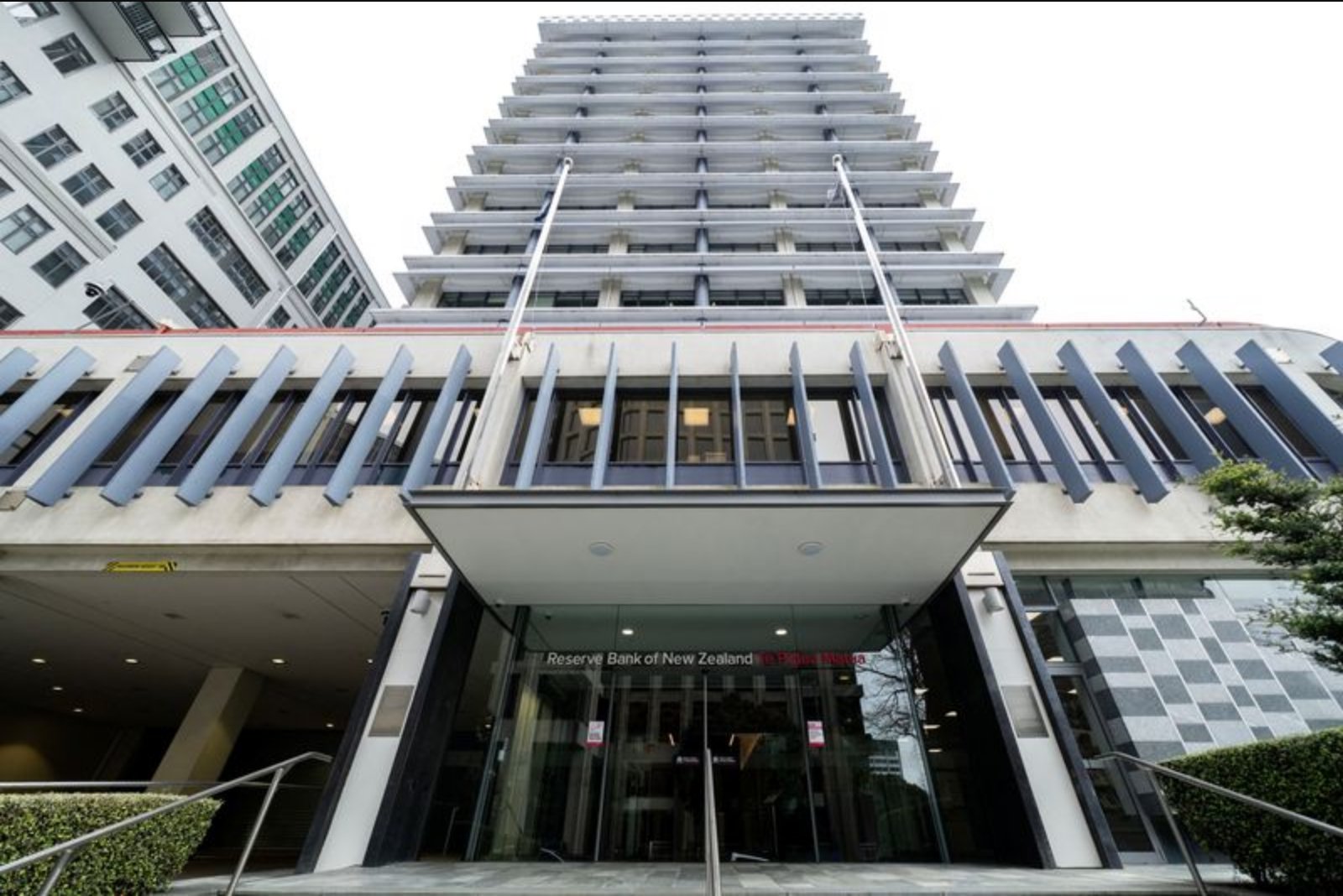
The recent decision by the Reserve Bank of New Zealand to maintain the official cash rate at 2.25% masks significant internal debate regarding the future trajectory of monetary policy. Hayley Gourley, an agribusiness executive serving on the Monetary Policy Committee, has signaled that the current economic trend points toward interest rate hikes occurring "sooner rather than later." This perspective emerged following a meeting characterized by a split vote, where Governor Anna Breman was required to use a casting vote to break a 3-3 deadlock.
Gourley was among the three MPC members who supported a 25-basis-point increase in rates. Her advocacy for an earlier move stems from concerns regarding external economic shocks and their potential to migrate into domestic markets. Specifically, she cited the conflict in the Middle East and rising inflation levels among New Zealand's trading partners as factors that could drive up domestic prices as businesses pass higher costs onto consumers.
Key Economic Drivers and Sector Impacts
The deliberations within the MPC highlight several critical areas of focus for the New Zealand economy:
- Inflation Anchoring: Gourley argued that implementing rate increases sooner could provide a better opportunity to keep inflation expectations anchored. By acting early, the central bank might be able to ensure that future adjustments are more gradual, thereby minimizing the overall negative economic impact of inflation.
- Two-Speed Economic Dynamics: There is evidence of divergent economic performance across different regions and industries. Gourley noted that her background in export and primary sectors provides a view of a "two-speed" economy, where regional New Zealand and exporters appear to be performing better than other parts of the country.
- External Cost Pressures: The potential for global instability and rising inflation in partner nations to influence domestic price levels remains a central concern for policy direction.
Risks and Uncertainties
The path forward for New Zealand's monetary policy is subject to several variables that could alter the speed or scale of future actions:
- Data-Dependent Timing: The exact timing and magnitude of the next move will depend heavily on new information. Gourley emphasized that what the committee learns in the five to six weeks leading up to the July meeting will be a determining factor for the policy response.
- Inflationary Volatility: The RBNZ has cautioned that interest rates may need to rise sooner and by larger margins than previously anticipated to effectively counter emerging inflation risks.
- Transmission of Global Shocks: There is an ongoing uncertainty regarding how external shocks, such as geopolitical conflicts in the Middle East, will translate into domestic inflationary pressures through business cost pass-throughs.
The RBNZ has recently implemented structural changes to increase transparency. Under these new rules, MPC members are encouraged to communicate their views publicly, and for the first time, the specific votes of each member were published in the minutes of the May meeting. Gourley expressed her support for this increased transparency, noting that she welcomes the chance to present her individual perspectives alongside the collective view of the committee.