
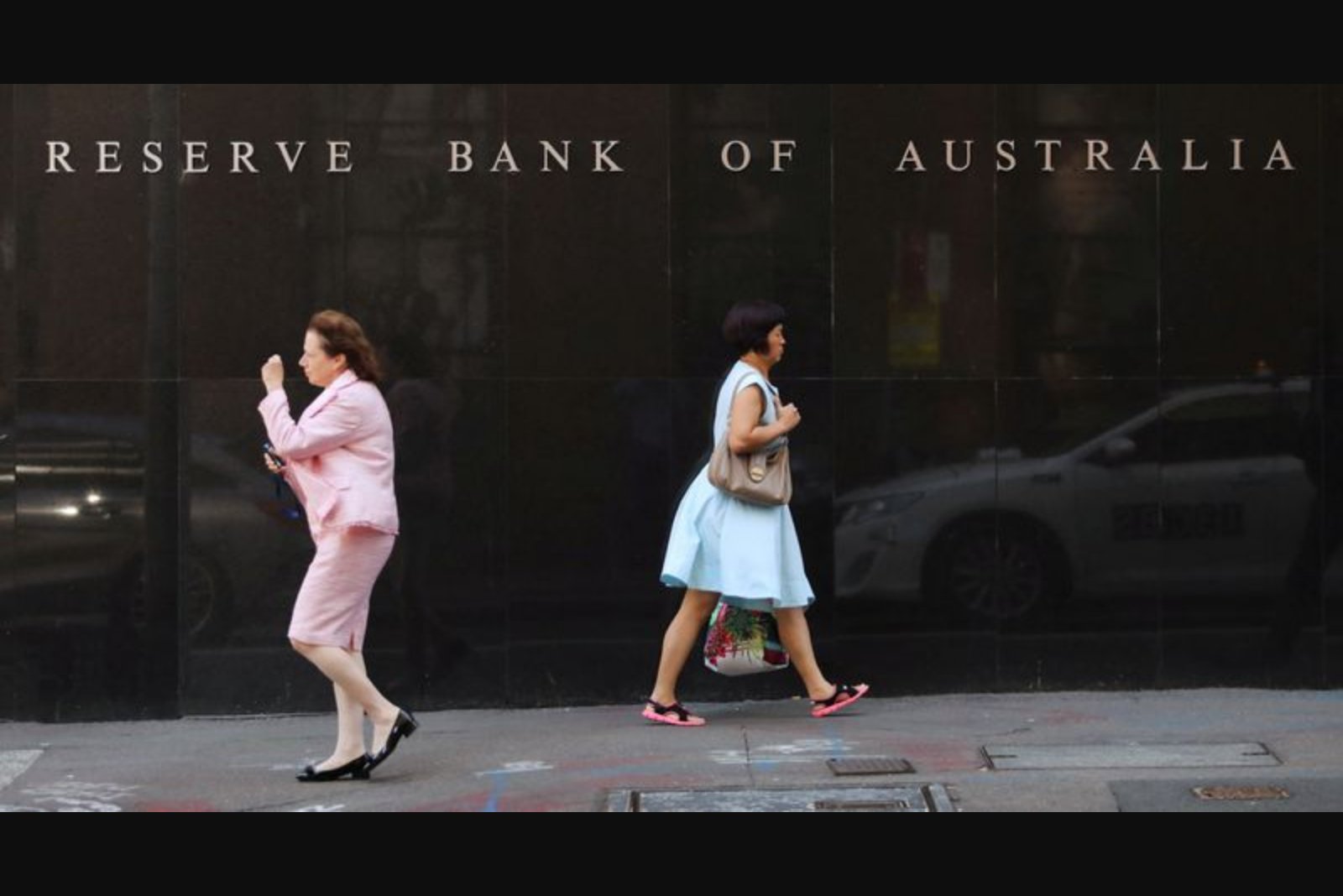
The Reserve Bank of Australia raised its official cash rate by 25 basis points to 4.1% at the conclusion of its March meeting, a step the board said was necessary to rein in inflation. The decision, confirmed on Tuesday, was the second straight monthly increase and came in an unusually close 5-4 vote, the narrowest margin since the RBA began disclosing individual voting records.
Policymakers framed the increase against a backdrop of growing global uncertainty. The RBA said the escalation of the Middle East war, together with sharply higher oil prices, presented a plausible route for renewed inflationary pressure both internationally and domestically. The board warned that "Developments in the Middle East remain highly uncertain, but under a wide range of possible scenarios could add to global and domestic inflation."
In its policy statement the RBA also said: "The board judged that inflation is likely to remain above target for some time and that the risks have tilted further to the upside, including to inflation expectations." That assessment underpinned the decision to raise the cash rate to 4.1%, a level not seen since early in the previous year and effectively reversing two of the three rate cuts implemented during last year.
Markets had entered the meeting pricing a roughly 75% chance of a rate hike after senior RBA officials signalled the meeting was "live". All four of Australia's major banks had signalled they expected a rise ahead of the decision. Following the announcement, market pricing for a further increase in May fell sharply - investors now assign around a 30% chance of another hike.
Financial markets registered muted immediate reactions to the close vote. The Australian dollar eased about 0.2% to $0.7060. Three-year government bond yields fell by 7 basis points to 4.509% as traders adjusted expectations for the outlook of policy tightening.
The RBA's action comes amid domestic indicators pointing to an economy running above capacity and inflation that has not returned to the central bank's 2% to 3% target band. Headline consumer price inflation was 3.8% in January, while the core measure reached 3.4%, a 16-month high and a troubling trend for policymakers focussed on price stability.
Labour market conditions remain tight, amplifying inflationary pressure. The jobless rate held at 4.1%, a historic low, and underutilisation in the labour market persists. Growth data also paint a picture of a relatively strong economy: output rose 2.6% year-on-year in the December quarter, the fastest annual pace in almost three years and well above the RBA's estimate of 2% potential growth.
Before the latest geopolitical shocks, the RBA's February forecasts already projected headline inflation would reach 4.2% by mid-year. The board noted that the conflict in the Middle East and the attendant jump in oil prices - with crude trading above $100 a barrel - weight on that outlook and skew inflation risks further to the upside.
Consumer sentiment appears to be responding to these economic pressures. An ANZ survey released on Tuesday showed sentiment at its lowest level since early 2020, a period coinciding with the first pandemic lockdowns.
The vote split underlines how finely balanced the board's assessment has become. With five members backing the increase and four opposed, the RBA's course of action remains conditional on how inflation, the labour market and global developments, particularly energy prices, evolve in the months ahead. Policymakers elsewhere, including at the Federal Reserve and the European Central Bank, are widely expected to keep their policy rates unchanged this week, making the RBA the first of the major central banks to move in an otherwise broadly steady policy environment.
For households, businesses and financial institutions, the RBA's decision signals that borrowing costs may remain elevated for longer than previously expected - at least until there is firmer evidence inflation is returning to the target band. The tightening path the bank has resumed effectively undoes two of the three policy rate cuts from last year, and the narrowness of the decision highlights the potential for policy direction to change quickly if incoming data alter the board's assessment of risks.