
Economy March 2, 2026

RBA Governor Signals March Rate Move Could Be on the Table if Inflation Expectations Slip

Michele Bullock cautions markets not to assume the board will wait for late-April CPI before acting, citing risks around inflation expectations and oil prices

By Ajmal Hussain
RBA Governor Signals March Rate Move Could Be on the Table if Inflation Expectations Slip

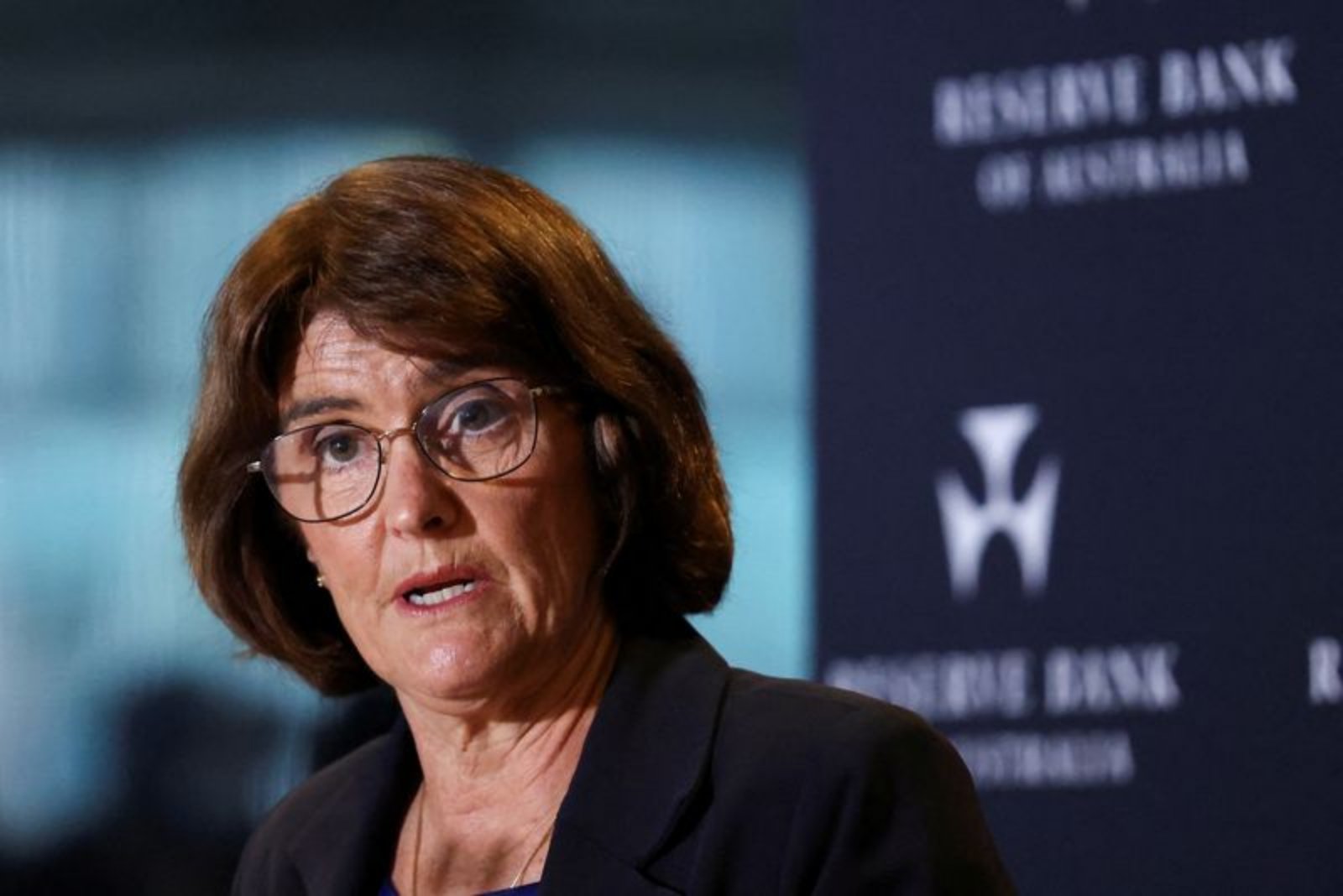
Reserve Bank of Australia Governor Michele Bullock told a business conference in Sydney that the RBA's policy board could raise interest rates at its March meeting if it judged inflation expectations were at risk of becoming unanchored. She emphasised that the board would not necessarily wait for the full first-quarter inflation read due in late April before deciding on further tightening, and warned markets against assuming a pause until May. Bullock also noted that while Australia is a net energy exporter, a sustained rise in global energy prices could damp consumer demand and growth and push inflation higher.

Key Points

  • RBA Governor Michele Bullock said a rate increase at the March 17 meeting is possible if inflation expectations appear at risk of becoming unanchored.
  • Bullock cautioned markets against assuming the board will wait for the April 29 first-quarter consumer price report before deciding on further tightening.
  • Markets were pricing only a 24% chance of a quarter-point hike in March, but expected a rise to 4.10% in May and implied around 4.26% by year end; the RBA carried out its first hike in February.

Australia's central bank governor said an interest-rate increase this month is possible if the board concludes that inflation expectations are becoming unanchored, and she urged financial markets to be conscious of that possibility.

Speaking at a business conference in Sydney, Reserve Bank of Australia Governor Michele Bullock stressed that the board would not necessarily sit on its hands until the full first-quarter consumer price reading arrives in late April. "Every meeting is live," Bullock said, referring to the policy-making board's next gathering on March 17. "The board will be looking at whether it needs to be moving more quickly."

Market participants have tended to assume the central bank would wait for the first-quarter consumer price report, due on April 29, and then decide on any further tightening at the May 5 board meeting. Bullock said she wanted to "dissuade" markets from relying on that timetable.

She noted current market pricing for the cash rate placed only a 24% likelihood on a quarter-point rise from the present 3.85% at the March meeting. At the same time, those same market prices show expectations for a rise to 4.10% in May and imply rates of roughly 4.26% by the end of the year. The RBA implemented its first increase in February.

Bullock was also asked about the impact of the conflict in the Middle East and the associated rise in oil prices. She pointed out that Australia is a net energy exporter, which provides a buffer for the economy. However, she warned that if higher global energy prices were to persist, that scenario could weigh on consumer demand and economic growth while also exerting upward pressure on inflation.


The governor's comments underline that the timing of further monetary tightening remains conditional on how inflation expectations and global cost pressures evolve, rather than on a fixed calendar. Investors and businesses sensitive to interest rates and inflation will be watching the board's assessment closely ahead of the March 17 meeting.

Risks

  • Inflation expectations becoming unanchored could prompt earlier-than-expected monetary tightening, affecting interest-rate sensitive sectors such as housing and financials.
  • A prolonged rise in global energy prices could depress consumer demand and economic growth while adding upward pressure on inflation, impacting consumer-facing sectors and real incomes.
  • Market assumptions that the RBA will wait for the late-April CPI could be misplaced, creating volatility if the board moves sooner than priced in.

More from Economy

RBA Governor Signals Possible March Rate Increase, Flags Energy Risks from Middle East Tensions Mar 2, 2026 Japan Intensifies Market Monitoring as Yen Slides and Middle East Conflict Stokes Volatility Mar 2, 2026 Yen and euro slide as Middle East hostilities amplify energy and inflation worries Mar 2, 2026 UK Shop Price Inflation Eases in February, BRC Survey Shows Mar 2, 2026 Reeves to Deliver Measured Spring Fiscal Update as Middle East Tensions Shake Markets Mar 2, 2026