
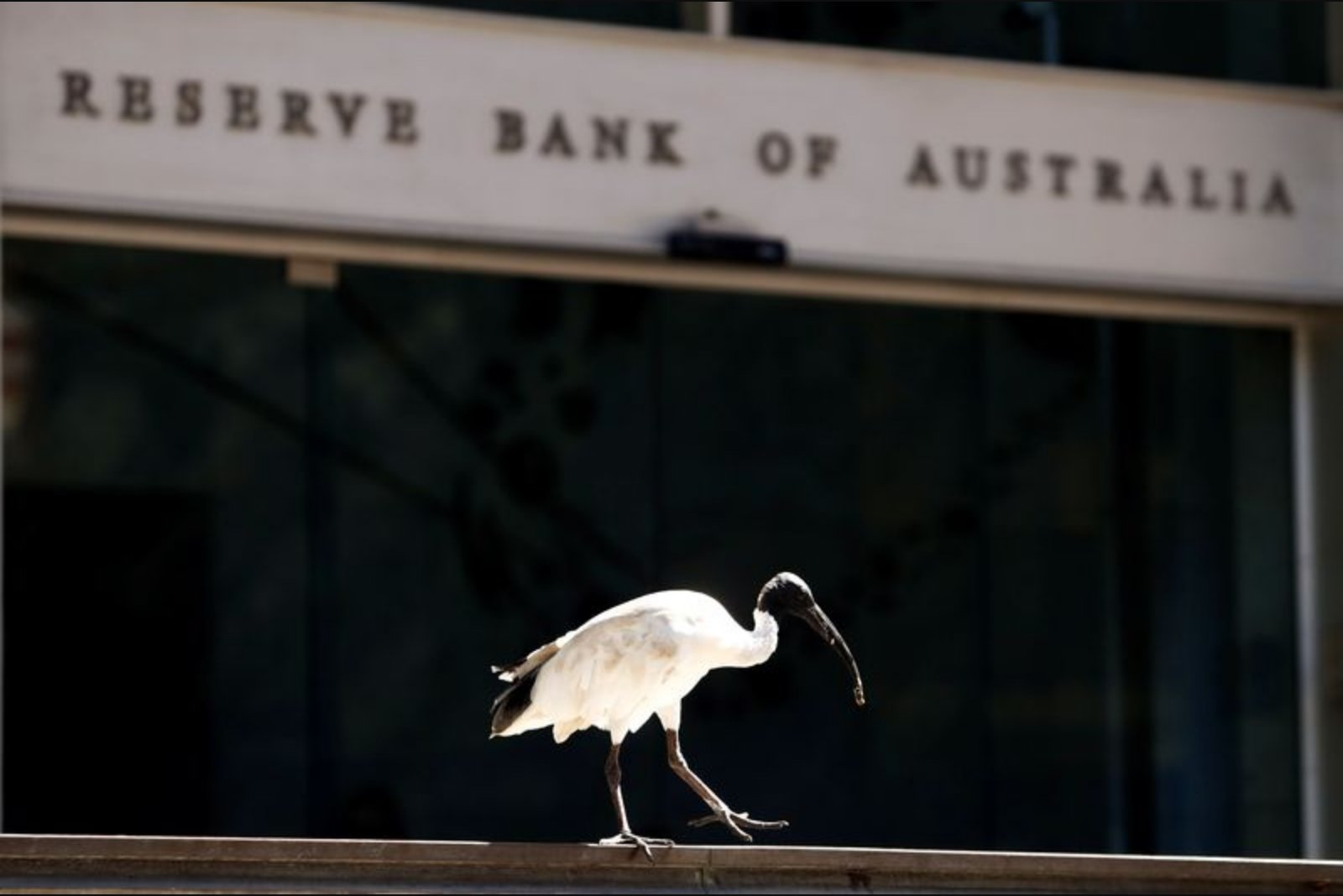
Reserve Bank of Australia Deputy Governor Andrew Hauser told The Conversation on Tuesday that the central bank's board will face a "genuine" debate when it convenes next week to consider whether additional interest rate increases are warranted. Hauser said uncertainty stemming from the Middle East conflict is "extremely high" and that the policy response will depend on "the size and the persistence of the price shock," which he described as very uncertain.
Hauser stressed the complexity facing policymakers. "I think there will be a very genuine debate. Inflation is too high. Higher prices don’t help that debate. But there are arguments on both sides," he said, summarising the two competing pressures the board must weigh.
On one side of the ledger, Hauser noted recent data appear to confirm the economy has limited spare capacity - a development that makes elevated inflation harder to dislodge. At the same time, he pointed to the Middle East war as a near-term factor that has pushed up oil prices, saying that higher energy costs are "not a helpful development from the policy perspective."
On the other side, Hauser cautioned that if the conflict were to persist it would "ultimately weigh on global activity." He also identified weaker-than-expected consumption and labour costs data as reasons to refrain from further rate increases at this point, implying the board must balance domestic softness against externally driven price pressures.
Hauser warned against precipitous action. "If you act precipitously, if you compound uncertainty, if you drive the economy to slow down too rapidly, then you are going to push inflation down and you are going to harm people as unemployment picks up," he said, framing the potential social cost of overtightening.
The RBA raised interest rates by a quarter-point to 3.85% last month after inflation reaccelerated following three rate cuts the previous year. Market pricing ahead of next week’s decision assigns about a 50% probability of another hike on March 17, while pricing indicates a rate move in May is more than fully priced in. For the full year of 2026, markets expect an additional 60 basis points of tightening.
Hauser’s comments set the scene for a careful deliberation at the bank's next meeting: policymakers must judge how persistent oil-driven price shocks will be against softer domestic demand and labour cost signals, and weigh the risks of acting too quickly against the risk of letting inflation remain too high.