
Economy March 11, 2026

Quaest Poll Finds Lula and Flavio Bolsonaro Neck-and-Neck in Hypothetical Runoff

Survey shows both candidates at 41% in a second-round matchup; first-round scenarios give Lula a lead in most simulations

By Derek Hwang
Quaest Poll Finds Lula and Flavio Bolsonaro Neck-and-Neck in Hypothetical Runoff

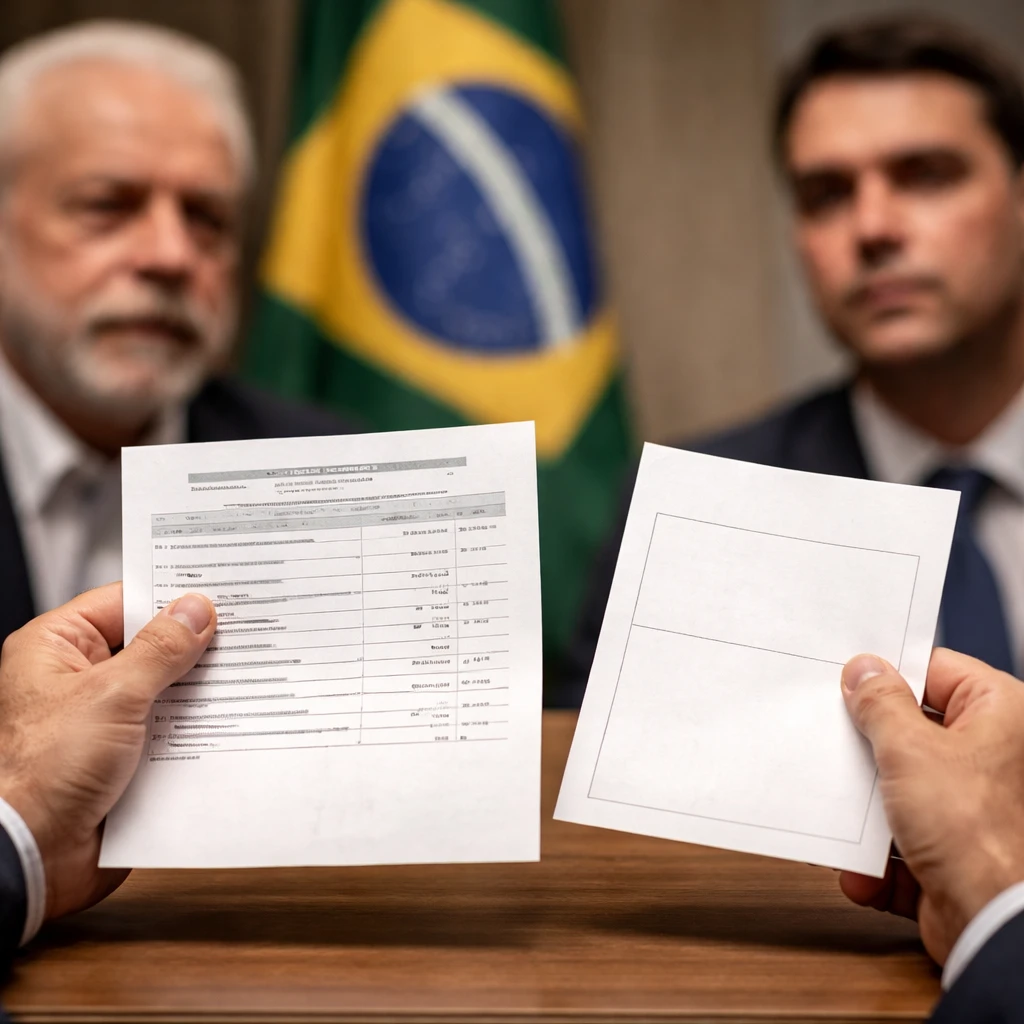
A recent Quaest poll commissioned by brokerage Genial indicates a statistical tie between President Luiz Inacio Lula da Silva and Senator Flavio Bolsonaro in a hypothetical second round of Brazil's October presidential election, with each candidate receiving 41% in the survey. The poll also provides a range of first-round outcomes across seven simulated matchups and notes shifts from a February survey. The sample comprised 2,004 respondents surveyed from March 6 to March 9 and carries a margin of error of two percentage points.

Key Points

  • Quaest's Genial-commissioned poll places both Lula and Senator Flavio Bolsonaro at 41% in a hypothetical second-round matchup.
  • In seven simulated first-round scenarios, Lula's support is between 36% and 39%, while Flavio Bolsonaro's is between 30% and 35%.
  • The poll surveyed 2,004 people from March 6 to March 9 and carries a margin of error of two percentage points; market participants have tracked polls closely as the senator's candidacy gained ground.

A new survey conducted by Quaest for brokerage Genial shows President Luiz Inacio Lula da Silva and Senator Flavio Bolsonaro level at 41% each in a simulated second-round contest for Brazil's presidential election in October.

The result marks a change from a February poll in which Lula led a potential runoff with 43% against the senator's 38%. Quaest's latest work indicates parity between the two figures when the contest is pared to a head-to-head matchup.

When the poll analyzed first-round dynamics across seven different simulated lineups of challengers, Lula's support ranged from 36% to 39% depending on the opponent set. Senator Flavio Bolsonaro's projected first-round support varied from 30% to 35% in those same scenarios.

The broader market community has paid close attention to successive polls after the imprisoned former President Jair Bolsonaro publicly backed his son Flavio in December. Quaest's findings align with other recent surveys from AtlasIntel/Bloomberg and Datafolha that also showed the right-wing senator drawing level with the incumbent leftist president as Flavio Bolsonaro's profile rose.

Quaest's questionnaire reached 2,004 people during a field period running from March 6 to March 9. The organization reports a margin of error of two percentage points, meaning reported support levels could shift within that band in either direction.

The poll offers a snapshot of voter preferences at a specific moment in time, producing both a tied second-round projection and a set of varying first-round outcomes across multiple simulated matchups. Observers in financial markets have been monitoring these developments closely, reflecting the sensitivity of investors and market participants to shifts in electoral dynamics.


Methodology note: The figures and ranges cited above come directly from the Quaest poll commissioned by Genial and reflect the sample and field dates described. The margin of error reported is two percentage points.

Risks

  • Margin of error - The poll's two percentage point margin introduces uncertainty around tight figures such as the reported 41%-41% tie; this affects interpretation by investors and stakeholders in financial markets.
  • Narrow field period - The survey was conducted between March 6 and March 9, offering a snapshot that may not capture subsequent shifts in voter sentiment or campaign events; market reactions based on this snapshot could change as new data emerges.
  • Scenario variability - First-round outcomes vary across seven simulated matchups, indicating uncertainty in multi-candidate dynamics that could influence electoral forecasts and market sentiment.

More from Economy

Tehran Seeks U.S. Promise to Prevent Future Strikes as Precondition for Ceasefire Mar 11, 2026 U.S. February Budget Shortfall Holds at $308 Billion as Tariff Receipts Remain Unaffected by Court Decision Mar 11, 2026 Trump questions reports of mines in Strait of Hormuz, reiterates belief conflict will soon end Mar 11, 2026 Kremlin Considers 10% Reduction in Non-Essential Spending for 2026 as Oil Revenues Fluctuate Mar 11, 2026 February CPI Matches Forecasts as Middle East Conflict Clouds Outlook Mar 11, 2026