
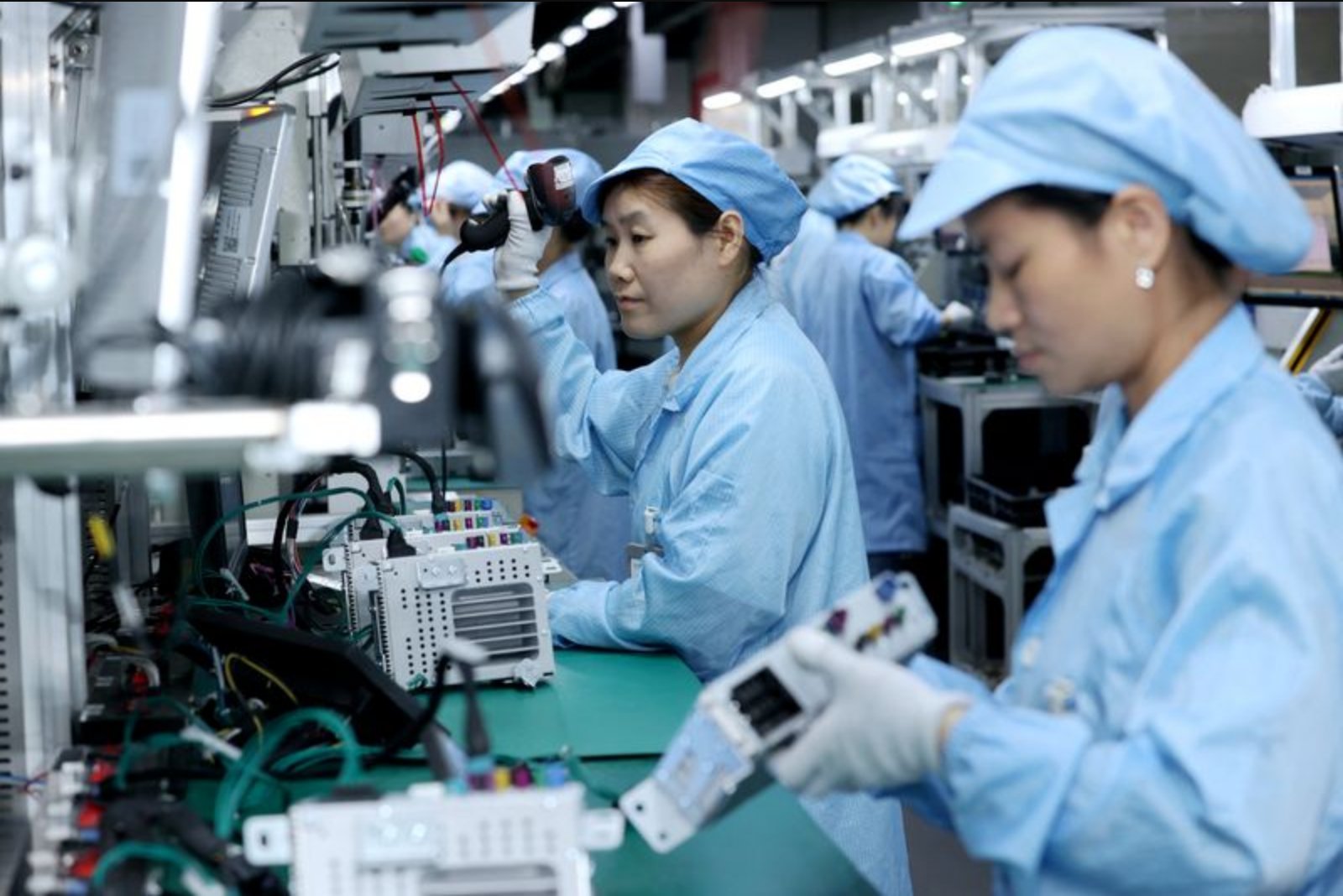
China’s manufacturing activity accelerated in February, with a private-sector purchasing managers’ index recording its most pronounced expansion in more than five years, the latest survey data showed. The RatingDog China General Manufacturing PMI, compiled by S&P Global, rose to 52.1 in February from 50.3 in January, comfortably above consensus expectations of 50.2. The 50 mark separates expansion from contraction.
That private reading stands in contrast to an official government survey released earlier the same day, which reported a second consecutive monthly contraction in factory activity. Analysts note that divergent results often reflect differences in which firms are covered and the characteristics of survey respondents rather than a single definitive signal on the health of manufacturing.
Demand conditions underpinned the private survey's strength. The volume of new orders increased for a ninth month in February, reaching its strongest pace since December 2020. Output growth rose alongside new orders, registering the fastest expansion observed since June 2024.
Export demand was a prominent contributor to the improvement. New export orders grew at the most marked rate since September 2020, the S&P Global-RatingDog survey said. That pick-up in overseas demand was reflected in on-the-ground business reports: an anonymous outdoor furniture seller based in eastern China reported a 30%-40% year-on-year jump in January orders, attributing part of the gain to improvements in supply-chain arrangements and the use of overseas warehouses, and said orders continued to grow in February.
Sentiment among manufacturers also improved. The survey noted that overall confidence about future output was at its highest level in 11 months. RatingDog founder Yao Yu commented on the near-term outlook: "Looking ahead, the sustainability of this momentum depends on persistent demand and whether confidence translates into more active hiring and investment." The statement highlighted that sustaining growth requires both continued orders and a translation of sentiment into concrete operational expansion.
Employment trends remained cautious amid stronger demand. While firms reported only fractional increases in employment for the second consecutive month, the survey marked this as the first back-to-back rise in hiring since mid-2021. Many manufacturers continued to exercise restraint in recruiting even as order books expanded, a pattern the survey attributed in part to the timing of Chinese New Year when some factories send workers home and backlogs can temporarily rise.
Cost pressures also intensified as purchasing activity picked up. The overall rate of input price inflation accelerated to its highest level since June 2022, with respondents calling out metal prices in particular. In response to higher costs and stronger demand, producers raised their output prices for the second month running, with the rate of charge inflation quickening to a 15-month high.
The private survey’s findings intersect with developments on the trade-policy front referenced by economists in the report. The analysis cites a U.S. Supreme Court ruling against emergency tariffs imposed last year and notes commentary from the U.S. Trade Representative’s office that Washington will seek to manage bilateral trade with China in pursuit of better balance and fairness while monitoring compliance with last year’s trade truce. Economists in the survey said the narrowing of tariff differentials could provide China with some advantages, although the survey itself did not quantify specific trade effects.
Looking ahead, the policy calendar adds further focus. China is set to announce key economic targets for 2026 at its annual parliamentary meeting beginning on Thursday, and markets are watching the release of the next Five-Year Plan report, which will outline directions for economic development, technological innovation and the green transition. These policy outputs may bear on manufacturers’ investment and hiring decisions in the months ahead.
Contextual takeaways
- Private-sector PMI data point to a notable recovery in factory activity in February, underpinned by both domestic and external demand.
- Cost inflation for inputs has accelerated, particularly for metals, and firms have begun passing some of those costs through to output prices.
- Despite stronger order books and a rise in confidence, employment gains remain modest and cautious.