
Overview
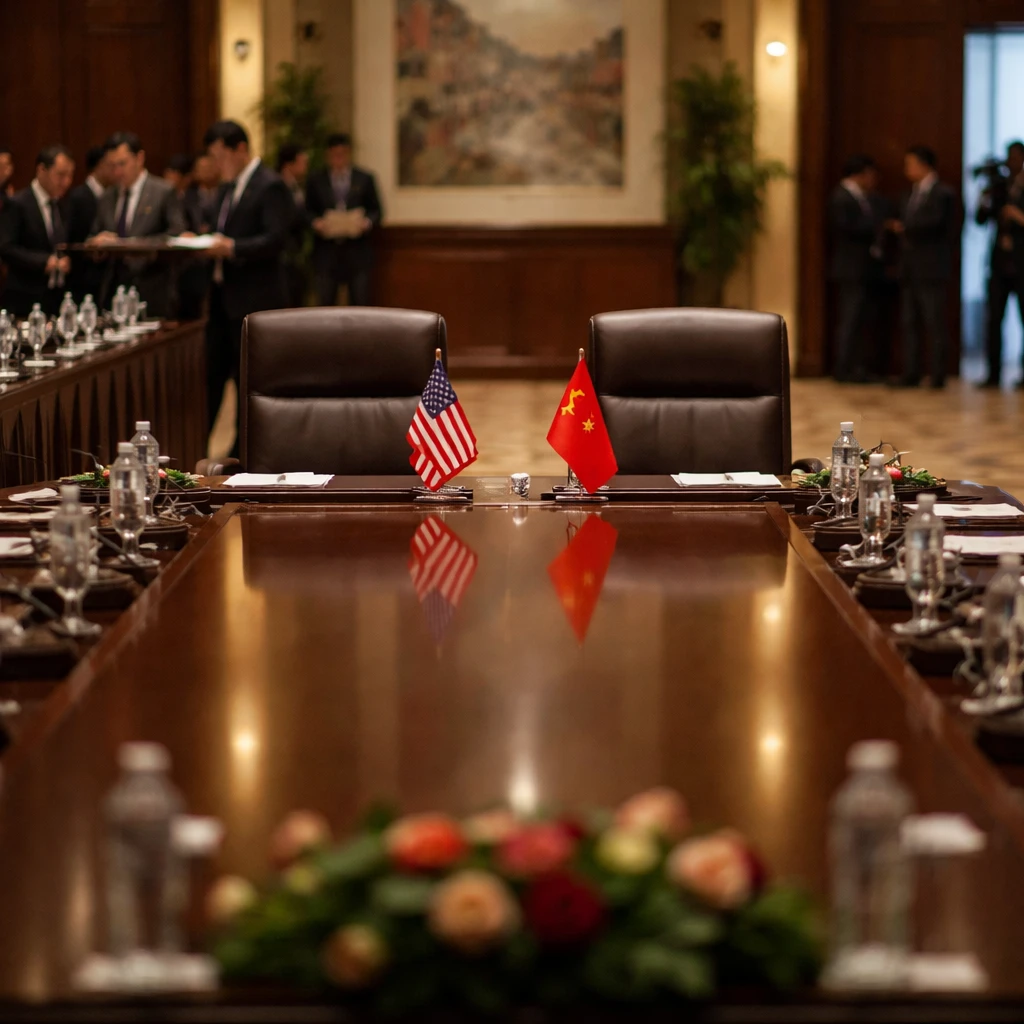
Preparations for a potential summit between US President Donald Trump and Chinese leader Xi Jinping are running behind schedule, with fewer than six weeks remaining before the planned meeting in Beijing, according to analysts and former government officials familiar with the planning process.
Why preparations are lagging
Sources who have observed the planning say the shortfall is driven in part by limited bilateral contact between the sides and by organizational choices within the US team. Analysts note that Mr. Trump has shown reluctance to delegate authority, a preference for seeking rapid, headline-grabbing wins, and a tendency to rely on personal ties and direct relationships rather than formal, layered diplomatic procedures. Those internal dynamics have reduced the time and structure typically devoted to detailed summit preparation.
Different diplomatic styles
The gap in planning also underscores a clear contrast in how the two capitals approach high-level meetings. Beijing is said to favor meticulously staged encounters designed to minimize errors, particularly when the president is involved. By contrast, the current US approach under Mr. Trump has been characterized by greater tolerance for spontaneity and less emphasis on tightly choreographed, error-proofed events.
Concerns from officials
A former US official with direct visibility into the preparations described a compact organizing group that lacks prior experience managing events of this scale. That source said Chinese officials are highly concerned about the perceived lack of preparation on the US side. The official added that Chinese authorities treat the summit as a major opportunity, while the US side does not appear to accord it the same level of priority.
Implications and outlook
Those involved in the planning process warn that the combination of limited contact, a small inexperienced team, and divergent expectations diminishes the prospect of substantive deliverables emerging from the meeting. Analysts and former officials say the current trajectory points to more modest outcomes than might have been expected for a summit of this importance.
Note: Reporting is based on accounts from analysts and former government officials familiar with the planning process.