
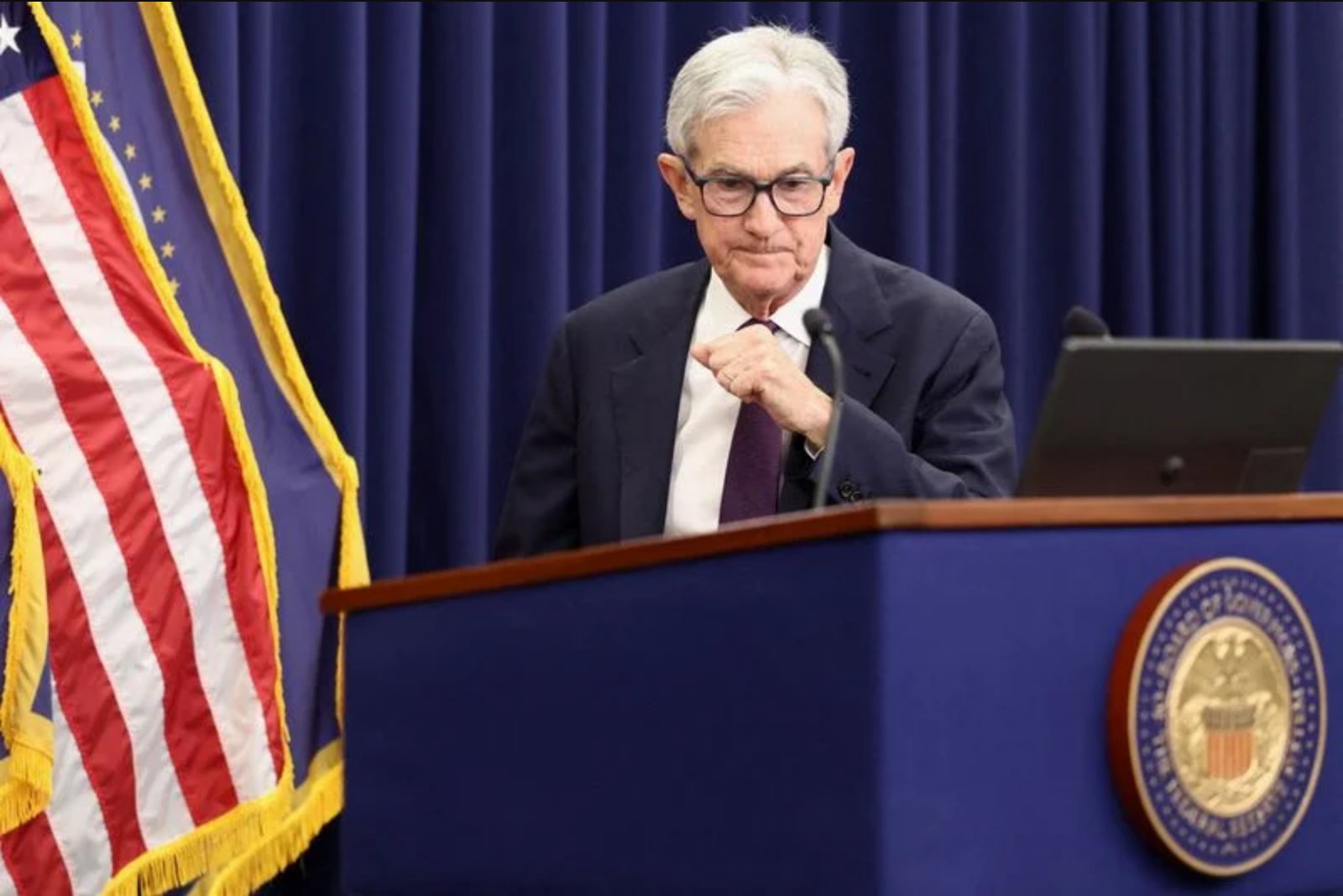
In his first significant public commentary since concluding an eight-year tenure as the head of the Federal Reserve, Governor Jerome Powell has articulated a warning regarding the impact that political involvement could have on the central bank. During his acceptance of the John F. Kennedy Profile in Courage Award, Powell underscored the fragility of democratic institutions, noting that while they require extensive effort and patience to establish, they can be dismantled with great speed.
Powell identified the Federal Reserve as one of several core institutions—alongside the judiciary and academic universities—that are vital to the stability and international standing of the United States. He characterized the current era as a "stress test" for the central bank, citing specific instances of pressure that have tested its autonomy. These challenges include efforts by President Donald Trump to dismiss Fed Governor Lisa Cook, various calls for Powell's own resignation, and an ongoing criminal investigation involving Powell.
Institutional Autonomy and Market Stability
The current structure of the Federal Reserve is designed specifically to insulate monetary policy decisions from political motivations. Powell argued that these established protections have historically functioned well, receiving respect from administrations belonging to both major political parties. He warned that if a precedent is set where officials are removed based on disagreements over policy, it would likely lead to similar actions by future administrations.
The primary risk identified by Powell is the potential loss of public confidence. If the central bank is perceived as being subject to political whims rather than economic necessity, the public may lose faith in its ability to execute decisions intended solely for the benefit of all Americans. This lack of trust could undermine the very foundation of the institution's mandate.
Key Economic and Market Considerations
Based on Powell's remarks, several critical themes emerge regarding the stability of economic governance:
- Preservation of Monetary Independence: The ability of the Fed to make decisions based strictly on economic data rather than political pressure is a cornerstone of its current structure.
- Institutional Resilience: The "stress test" currently facing the Fed highlights how external pressures, ranging from personnel disputes to legal probes, can threaten central bank operations.
- Succession and Board Composition: Following his term as Chair ending on May 15, Powell chose to remain a Fed Governor. This decision serves a strategic purpose by preventing President Trump from appointing an additional member to the board at this time. Kevin Warsh assumed the role of Fed Chair on May 22.
Market and Sector Impact: The stability of the central bank directly influences long-term capital allocation and market predictability. While specific sectors are not named, the broader macroeconomic environment is sensitive to the perceived independence of interest rate decisions. Uncertainty regarding the Fed's autonomy can influence investor confidence across all asset classes.
Risks and Uncertainties
The following risks were explicitly highlighted in the context of Powell's address:
- Political Precedent: There is a risk that if one administration successfully removes officials over policy disputes, it will create a cycle where subsequent administrations do the same.
- Erosion of Public Trust: A significant uncertainty lies in whether political interference will lead to a permanent loss of faith among the public in the central bank's objective decision-making process.
- Personal and Professional Risk: The foundation noted that Powell has faced sustained risks to both his professional standing and personal life during his efforts to safeguard the institution's apolitical nature.
In addition to honoring Powell, the John F. Kennedy Library Foundation also recognized the citizens of Minneapolis and St. Paul. This recognition was granted in response to the community's reaction to increased immigration enforcement in the Twin Cities area, specifically noting the protests and monitoring efforts organized by the public.