
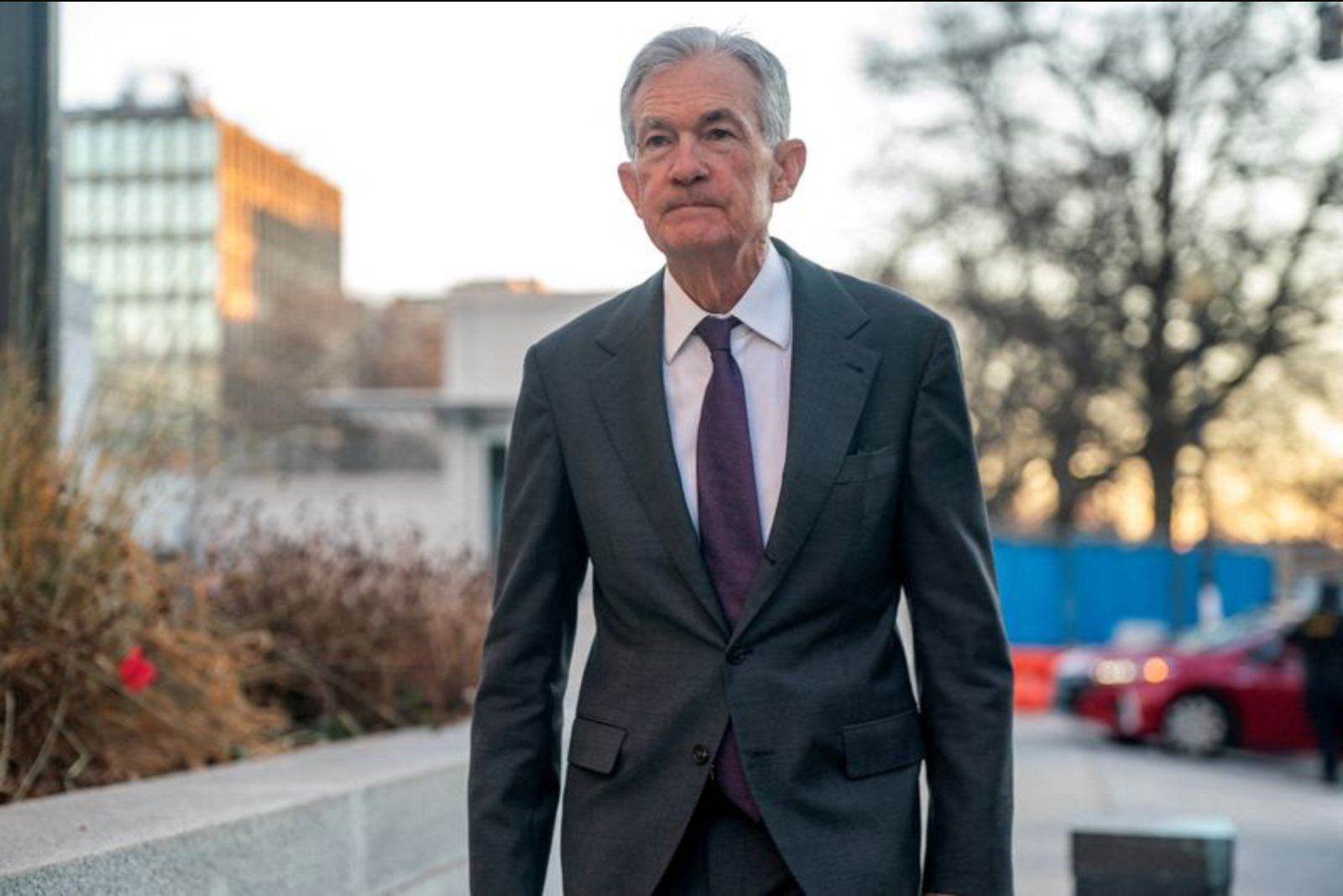
WASHINGTON, March 18 - Federal Reserve Chair Jerome Powell said on Wednesday that the present U.S. economic picture is markedly different from the stagflation episode of the 1970s, even after an Iran war-related jump in energy costs. The Fed kept policy rates unchanged at its latest meeting.
At a news conference following the decision to hold rates steady, Powell emphasized that current inflation sits roughly one percentage point above the central bank's target while unemployment remains low. He drew a clear distinction between today’s challenges and the acute conditions commonly labeled as stagflation.
"I would reserve the term stagflation for, you know, a much more serious set of circumstances. That is not the situation we’re in," Powell said.
Powell acknowledged the strain policymakers face as they navigate competing objectives. "What we have is some tension between the goals and we’re trying to manage our way through it," he said, adding that the current environment is "a very difficult situation," but one that does not mirror the 1970s. He reiterated his reluctance to apply the term stagflation to present conditions: "It’s nothing like what they faced in the 1970s and I reserve stagflation for that - the word - for that period. Maybe that’s just me."
The chair’s comments followed the Fed's choice to leave interest rates unchanged at this meeting. Powell’s remarks framed recent developments as manageable frictions rather than a return to the simultaneous high inflation and high unemployment that defined the earlier period.
Observers hearing Powell’s assessment can take away two central facts: inflation is modestly above the target by about one percentage point, and the labor market remains tight with low unemployment. Powell characterized the policy trade-offs as significant but distinct from the systemic event captured by the term stagflation.
The chair also highlighted the influence of geopolitical developments on energy prices, noting that the Iran conflict had contributed to a spike in those costs. He linked that surge to the present tensions in policy aims rather than to a broader structural collapse in price stability or employment.
Powell’s statements underscore the Fed’s current posture: cautious, attentive to conflicting objectives, and unconvinced that the conditions justify labeling the economy with a term associated with a much more severe historical episode.
Summary
Federal Reserve Chair Jerome Powell said the U.S. economy is not experiencing the stagflation of the 1970s despite an Iran war-driven rise in energy prices. Inflation is about one percentage point above target and unemployment remains low. The Fed held policy rates steady, and Powell described the situation as a hard policy balancing act rather than a repeat of 1970s stagflation.
Key points
- Inflation is roughly one percentage point above the Fed's target and unemployment is low - impacting labor markets and monetary policy considerations.
- An Iran war-induced spike in energy prices has added pressure to price stability - directly affecting the energy sector and contributing to policy tensions.
- The Fed paused on interest rate changes, a move with implications for financial markets and borrowing costs across sectors including real estate and infrastructure lending.
Risks and uncertainties
- Tension between the Fed's goals of price stability and maximum employment creates policy uncertainty - relevant for interest-rate-sensitive sectors such as real estate and corporate borrowing.
- Energy price volatility driven by the Iran conflict could raise inflationary pressure anew - a direct risk to the energy sector and to cost structures in energy-dependent industries.
- Managing the delicate policy trade-offs is described as a "very difficult situation," indicating uncertainty about the path and timing of future policy moves, which could affect financial markets and investment decisions.