
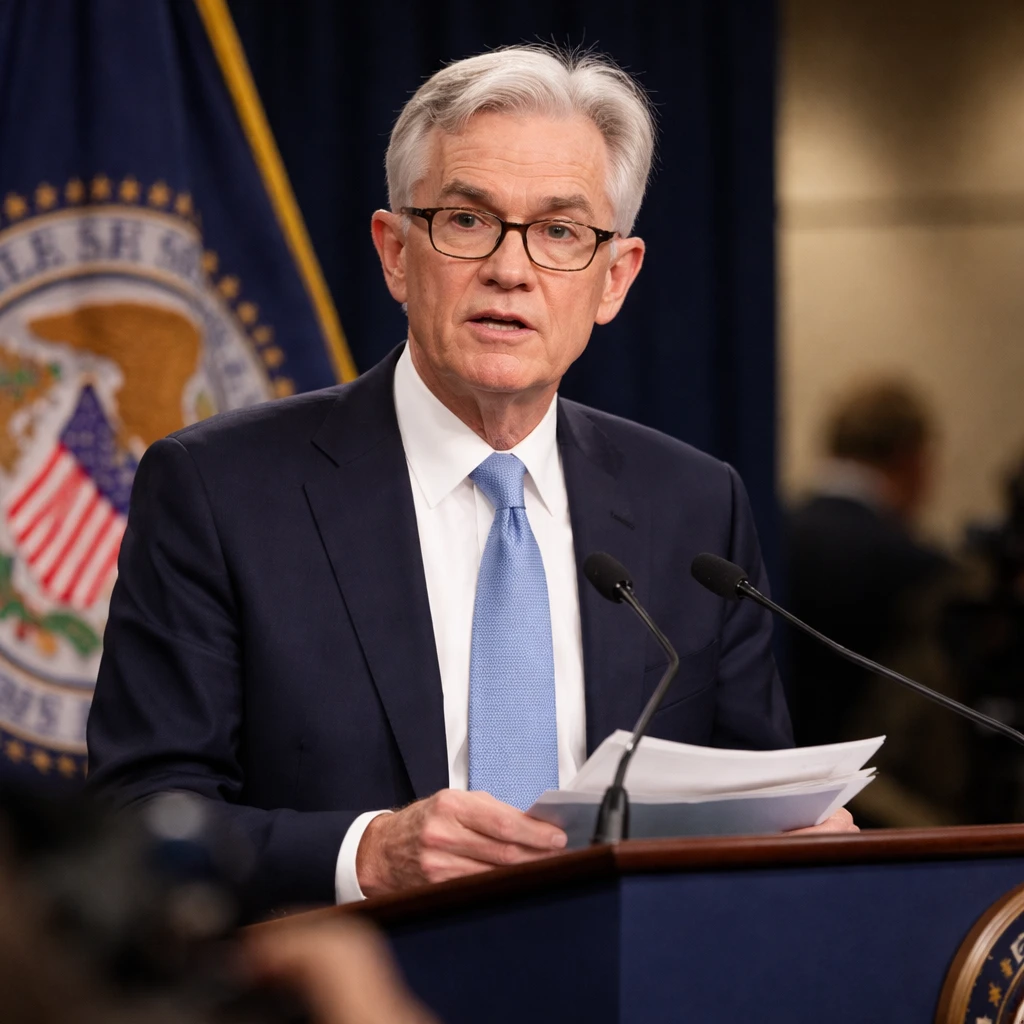
Federal Reserve Chair Jerome Powell said on Wednesday that he will remain in the central bank’s top post if a successor has not been confirmed by the time his current chair term expires in May.
Speaking at a press conference after the Federal Open Market Committee’s latest meeting, Powell explained that, in the event a successor is not confirmed by the end of his designated term, he would continue to serve as chair pro-tem until the Senate confirms a replacement.
Powell described that course of action as consistent with statutory requirements, saying it is what the law calls for. He also said the central bank has followed this approach several times in the past, including in his own experience, and that the Fed would follow the same procedure in this situation.
The remarks came during the media session that followed the Fed meeting. Powell framed the continuation as a legal and procedural matter rather than a discretionary decision, reiterating that the interim service is intended to persist only until a successor is formally confirmed.
The statement restates the procedural fallback available when a chair’s term ends before a successor has been approved. Powell’s comments emphasize that the Federal Reserve intends to adhere to that established legal mechanism should the Senate not complete confirmation by the end of his term.
Beyond Powell’s explanation of the legal basis and the Fed’s historical practice, the remarks do not provide details about the timing of any confirmation process or any prospective nominee. The outcome of whether a successor will be confirmed by May is not addressed in the comments themselves; Powell only described the contingency that would apply if confirmation has not occurred.
Because Powell’s statement focuses on the legal procedure and prior practice, it leaves unanswered questions about the confirmation timeline and any implications that might follow. The central fact conveyed is that the chair would continue in a pro-tem capacity under the law until a successor receives confirmation.