
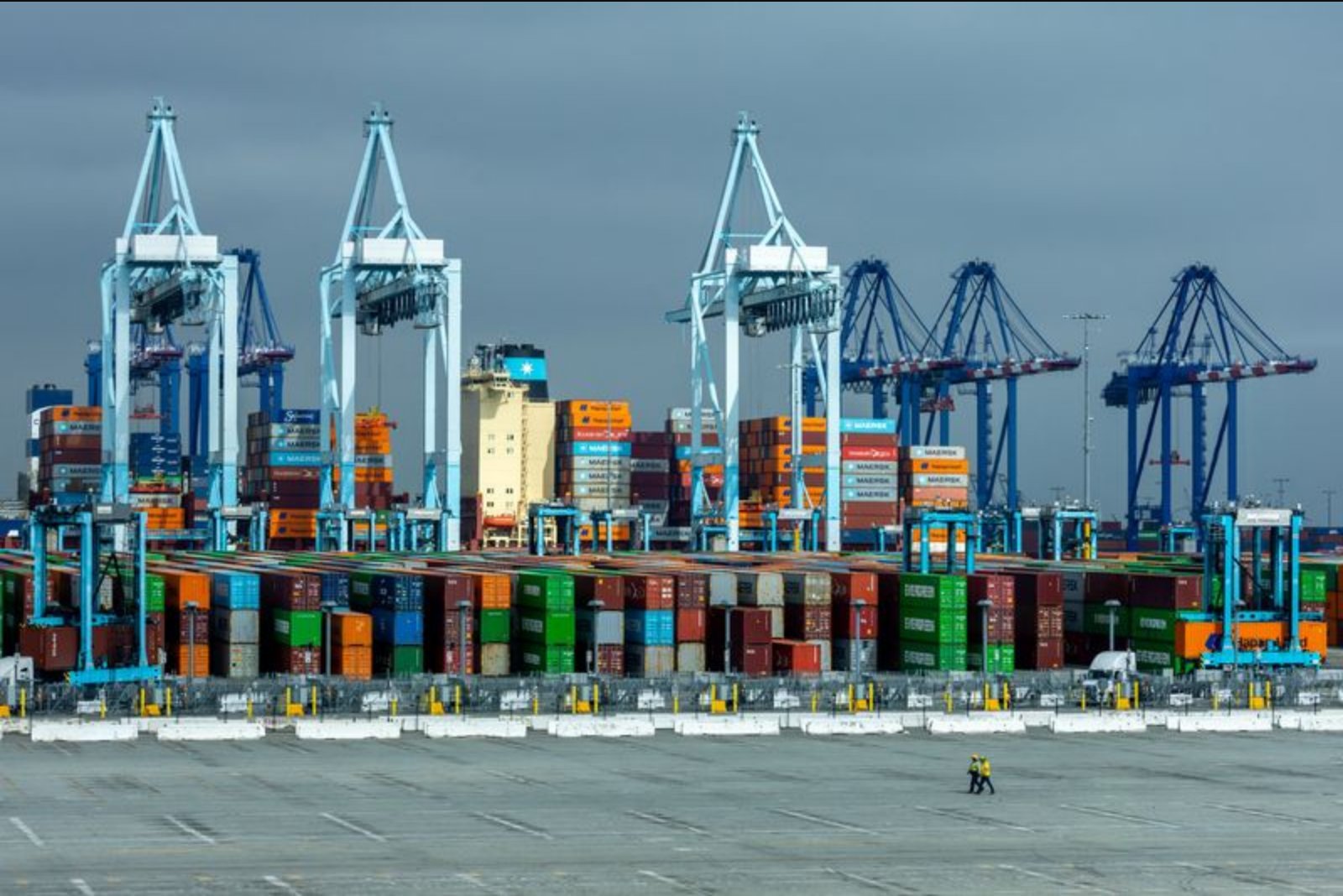
The Port of Los Angeles - the busiest container seaport in the United States - has, to date, remained largely insulated from the shipping disruptions and rising costs that have affected container movements in the Middle East after U.S.-Israel military actions targeting Iran, Port of Los Angeles Executive Director Gene Seroka said on Thursday.
Those hostilities have disrupted container shipping across the Middle East, producing elevated costs, vessels and cargo stranded at sea, threats of fuel shortages and increased danger to ships and seafarers. But Seroka said the lucrative transpacific trade that powers the Port of Los Angeles is not showing the same congestion patterns.
"We, right now, don’t see any of that congestion happening" on transpacific ocean trade, Seroka said.
China and other Asian markets remain central to port activity. Seroka noted that most of the 40 container ship services calling at the Port of Los Angeles operate on direct transpacific routes and are not linked to trade flows through the Middle East. He also said manufacturing flows destined for the United States, Europe and Latin America continue to move through the gateway.
Port statistics released Thursday showed a 5% increase in imports for February compared with the same month last year, a gain that followed retailers and manufacturers bringing forward cargo ahead of the Lunar New Year factory shutdowns in Asia. Overall throughput for February reached the second-highest monthly total in the port's history, Seroka said.
For the month, the Port of Los Angeles handled a total of 824,323 20-foot equivalent units - or TEUs - including 433,812 TEUs of imports, 116,633 TEUs of exports and 273,878 TEUs of empty containers, according to port data. A TEU is the standard unit for measuring ocean cargo volume; a typical container is 40 feet long.
Despite the solid February figures, the port is entering its traditional slow season. Seroka projected first-quarter volume would decline in the mid-single-digit percentages versus the same period a year earlier, when importers accelerated shipments to avoid new tariffs that were coming into force.
Looking ahead, Seroka said he expects some replenishment of inventories - notably for spring and summer fashion - and that importers have not yet canceled seasonal apparel orders because of uncertainty from the Iran conflict or other economic concerns. "That’s a very good sign," he added.
Summary of facts
- The Port of Los Angeles reports limited impact so far from Middle East shipping disruptions tied to the Iran conflict.
- February imports rose 5% year-on-year and total monthly throughput was the second-highest in port history.
- February volumes: 824,323 TEUs total - 433,812 imports, 116,633 exports, 273,878 empty containers.
- Most of the port's 40 container ship services operate direct transpacific routes, largely disconnected from Middle East trade lanes.
- Port officials expect first-quarter volumes to fall mid-single-digits versus last year, followed by inventory replenishment for spring and summer apparel.