
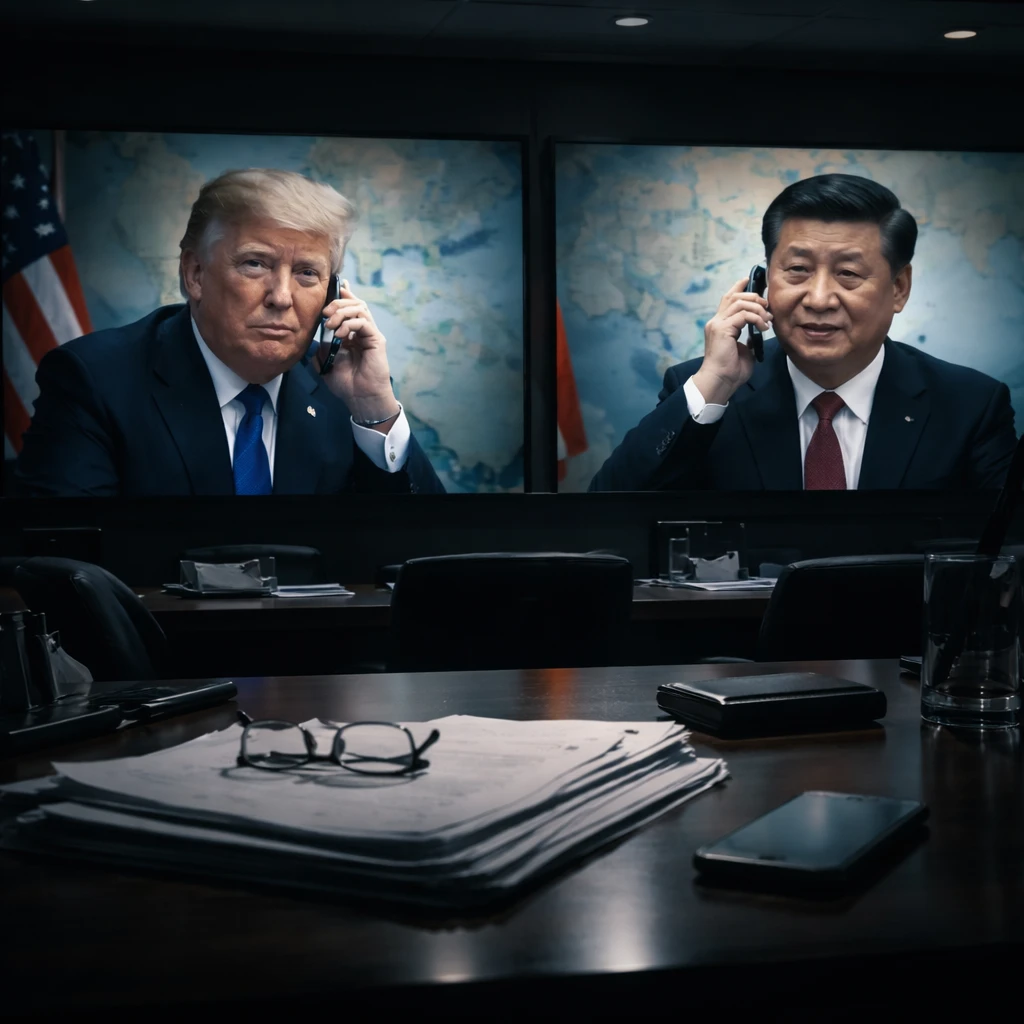
U.S. deliberations over an additional arms-sales package for Taiwan have been put on hold after Chinese pressure and White House concern that such a move could complicate an upcoming presidential visit to Beijing, according to U.S. officials.
During a Feb. 4 telephone conversation, Chinese President Xi Jinping urged President Trump to refrain from advancing arms sales to Taiwan, the self-governing island that Beijing regards as part of its territory. The call occurred against the backdrop of a planned presidential trip to Beijing in the first week of April, a visit that officials say Trump does not want to jeopardize by creating new bilateral tensions.
The proposal under consideration would have been a follow-on to a substantial $11.1 billion weapons package for Taiwan that the United States announced in December. That December announcement had already prompted strong displeasure from Chinese authorities. U.S. officials had been evaluating additional approvals when Xi raised the issue in the recent call.
Officials familiar with the matter described a split among the president's advisers over how to proceed. One U.S. official characterized Xi's stance as firm but emphasized that Trump would not be intimidated by China. A second official said that Trump is focused on preserving the trade truce with Xi, and that concern about maintaining that fragile understanding has led to careful deliberation over the timing of any new arms-sale decision.
As described by the officials, the decision to delay reflects a weighing of diplomatic priorities and the potential impact on a high-profile bilateral engagement. The officials' accounts indicate both internal disagreement within the administration and a calculation about whether approving further arms sales before the April visit would be strategically advisable.
Summary
- A proposed U.S. arms-sales package for Taiwan has been delayed following pressure from Chinese President Xi Jinping and White House concern about disrupting President Trump's planned Beijing visit.
- The pause follows a Dec. announcement of an $11.1 billion weapons package that had already drawn anger from Beijing.
- U.S. advisers are reportedly divided on the timing and prudence of approving more arms sales as the administration balances diplomatic goals and existing trade understandings.
Key points
- Diplomatic timing - The delay is linked directly to a Feb. 4 call in which Xi urged restraint, and to concern about avoiding tensions before a presidential trip to Beijing in early April.
- Prior action - The proposed sale would follow an $11.1 billion package announced in December that provoked objections from China.
- Internal division - Advisers to the president are split on whether to proceed, with officials conveying competing priorities between firm responses and maintaining a trade truce.
Risks and uncertainties
- Policy uncertainty - Internal disagreement among advisers leaves the timing and content of any future arms sales unclear, creating uncertainty for defense planning and procurement cycles.
- Diplomatic friction - Approving additional sales before the Beijing visit could heighten tensions with China and jeopardize diplomatic or trade arrangements the administration seeks to protect.
- Market sensitivity - While the officials described the deliberations in diplomatic terms, defense contractors and related supply chains may face uncertainty until a clear decision is reached.