
Economy February 23, 2026 02:20 PM

Pentagon Raises Concerns Over Costs and Risks of Extended Military Action Against Iran

Senior military leaders warn that longer air campaigns could deplete munitions and strain forces, complicating U.S. regional commitments and future preparedness

By Nina Shah

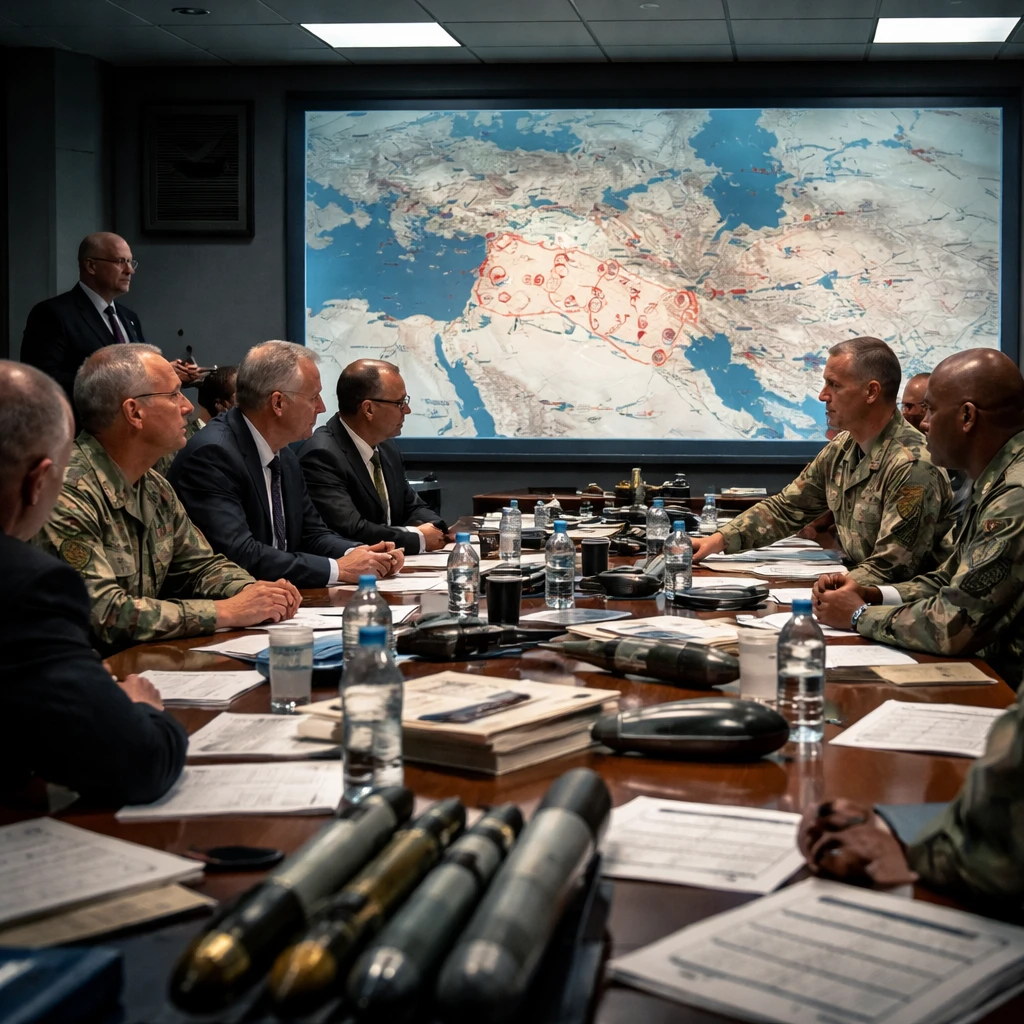
Senior Pentagon officials have cautioned President Trump that plans for military operations against Iran carry significant risks. Military leaders, including Gen. Dan Caine, told officials that options ranging from limited strikes to multi-day aerial campaigns could result in U.S. and allied casualties, heavy use of scarce air-defense munitions, and broader strain on forces that would complicate defense commitments and preparations for potential future conflicts.

Pentagon Raises Concerns Over Costs and Risks of Extended Military Action Against Iran

Key Points

  • Senior Pentagon leaders have warned President Trump that military options against Iran - from limited strikes to multi-day campaigns - carry significant operational risks; sectors impacted include defense contractors, munitions suppliers, and military logistics.
  • Prolonged aerial operations could deplete air-defense munitions and other limited-supply items, creating potential strain on readiness and affecting planning for other contingencies such as a potential conflict with China - relevant to defense planning and procurement.
  • Warnings were communicated within the Defense Department and at National Security Council meetings, and military assessments will factor into the president's decision on whether to authorize strikes and the scale of any action.

Senior Defense Department leaders have alerted the White House to substantial risks tied to contemplated military action against Iran, warning that the plans being reviewed could carry steep costs in manpower and materiel.

According to current and former officials, Gen. Dan Caine, chairman of the Joint Chiefs of Staff, has been among the most vocal, flagging the possibility of U.S. and allied casualties, the rapid depletion of air-defense resources, and broader strain on military units. Other senior Pentagon figures have voiced similar cautions. These concerns have been relayed within the Defense Department and raised during National Security Council meetings.

Military planners are assessing a spectrum of options, officials said, from narrowly tailored initial strikes to a multi-day aerial campaign aimed at the Iranian regime. While planners view each option as carrying its own set of risks, officials warned that an extended campaign would be particularly taxing. A longer operation could impose significant costs on U.S. forces and rapidly draw down munitions stockpiles, they said.

Officials emphasized that sustained use of air-defense munitions and other limited-supply items could hamper the military's ability to meet other contingencies. In particular, heavy consumption of such weapons and supplies in a prolonged Iran campaign could affect preparations for a possible future conflict with China, officials told those briefed.

Officials also noted that an extended campaign could complicate efforts to protect regional partners if Iran seeks retaliation. The strains described include the need to maintain defensive coverage for allies while simultaneously prosecuting operations that consume critical resources.

Views from Caine - a military leader regarded by officials as trusted within the administration - and from other Pentagon commanders will be part of the calculus that the president uses to decide whether to order strikes and, if so, what scope those strikes should take. Officials said the president has not yet reached a decision.


Context limitations: The officials cited conveyed these assessments internally and in NSC discussions; no final operational decision has been announced.

Risks

  • Possible U.S. and allied casualties from kinetic operations - a direct human and operational risk that affects force readiness and allied defense commitments.
  • Rapid depletion of air-defense munitions and other limited-supply items during an extended campaign - a material risk to defense supply chains, procurement planning, and readiness for other theaters.
  • Strain on military forces that could complicate protection of regional partners if Iran retaliates and reduce preparedness for future contingencies, including potential conflict with China.

More from Economy

UK Regulator Takes Control of Euro Exchange Amid Money-Laundering Concerns Jun 5, 2026 Lebanese President Accuses Iran of Treating Lebanon as a Negotiating Tool Jun 5, 2026 FinCEN Alerts Banks to Schemes Employing Unauthorized Workers Jun 5, 2026 Cleveland Fed’s Hammack: Labor Near Full Employment, Rate Hike Possible If Inflation Persists Jun 5, 2026 Bank of Canada Seen Keeping Rates at 2.25% Through 2026 as Temporary Inflation Pressures Weigh In Jun 5, 2026