
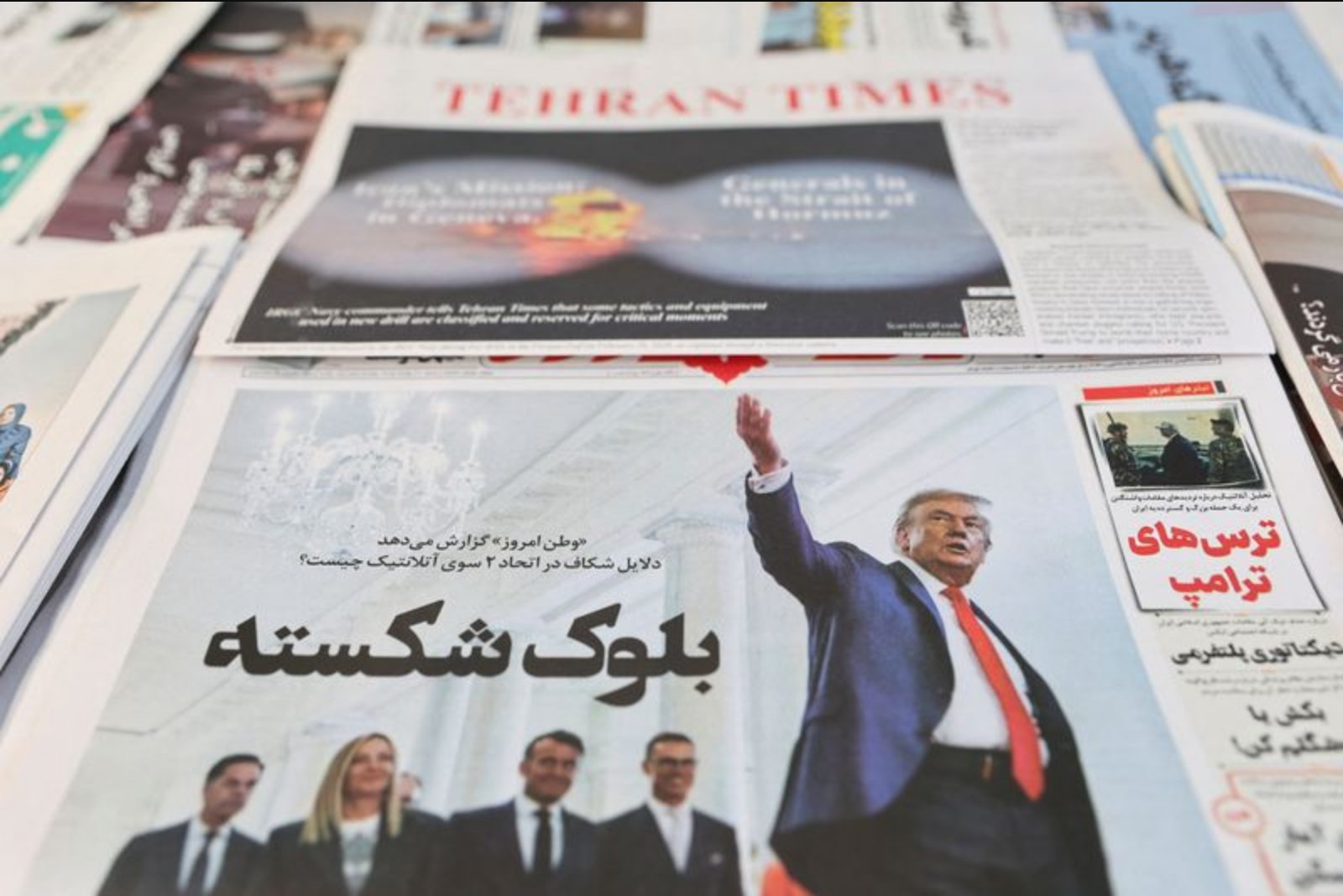
Oil climbed on Tuesday after U.S. forces carried out strikes in southern Iran that Washington characterized as defensive actions. The strikes took place as Iran’s lead negotiator and its foreign minister were in Doha on Monday meeting with Qatar’s prime minister to discuss a potential deal with the United States to end the three-month-old war.
Both Washington and Tehran have publicly played down prospects for an immediate breakthrough, tempering investor optimism. That caution left the dollar with renewed safe-haven appeal while equity markets displayed mixed direction.
Market attention is focused on whether the two countries can reach a settlement that would allow a reopening of the Strait of Hormuz. Japan’s Nikkei newspaper reported that the U.S. and Iran are discussing a plan to reopen the waterway roughly 30 days after any formal agreement to end hostilities, though the report said details remain scant. Until a durable settlement and a secure reopening of shipping lanes are in place, energy prices are likely to stay elevated, the persistence of which would complicate policy choices for central banks and increase cost pressure for businesses and households as inflation picks up.
Central bank moves elsewhere are already reacting to shifting inflation dynamics. In Sri Lanka, the central bank surprised markets by lifting its benchmark policy rate by an outsized 100 basis points in an effort to rein in inflation and counter sharp pressure on the currency. In Japan, Bank of Japan Deputy Governor Ryozo Himino said developments in the Middle East will factor into the timing of any rate-hike decision by the BOJ.
Investor expectations for U.S. policy have shifted substantially. Markets are now leaning toward a 25-basis-point rate increase from the Federal Reserve by December, a reversal from the two rate cuts that were priced in at the start of the year. The European Central Bank and the Bank of England are also seen moving toward tighter policy.
On the data calendar, the Conference Board’s U.S. Consumer Confidence Index is scheduled for release later on Tuesday. The index is forecast to edge down by eight-tenths of a point to 92 in May. Observers note that rising gasoline prices linked to the Iran conflict are likely to remain a source of concern for consumers.
Key developments that could influence markets on Tuesday include the May reading of U.S. consumer confidence. Continued uncertainty over Middle East hostilities, the pace of central bank tightening, and unexpected policy moves by smaller economies remain critical variables for investors.