
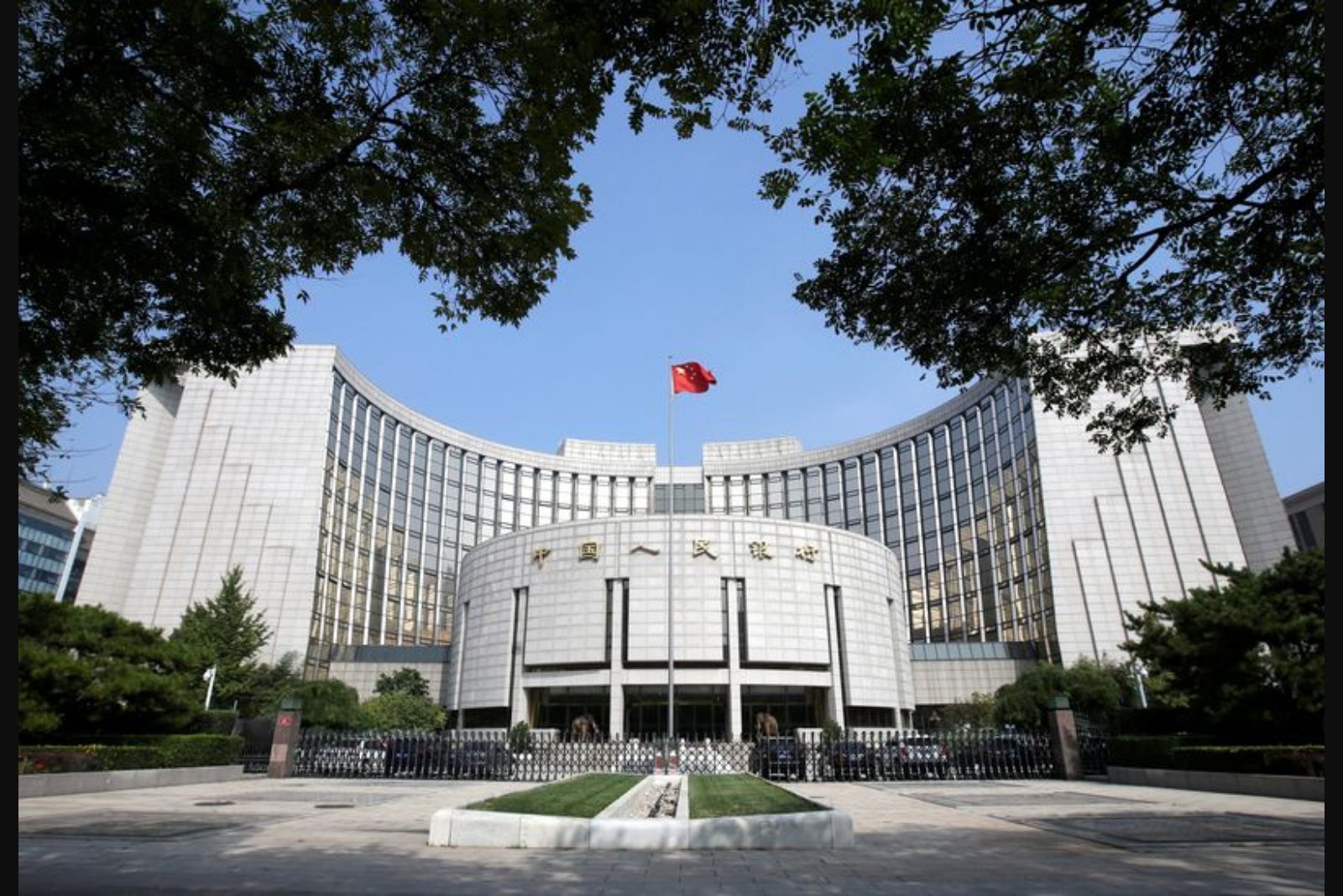
Summary: People’s Bank of China officials issued informal guidance to some large state-owned banks last week asking them to lift lending this month, according to people with direct knowledge of the instructions. The request comes after new yuan loans unexpectedly contracted in April for the first time in nine months, leaving policymakers concerned about weak household and corporate demand and the broader implications for growth.
Sources who spoke on the condition of anonymity because they were not authorized to discuss the matter described the outreach as an internal - and not previously reported - May "window guidance" from the central bank. The People’s Bank of China did not immediately respond to a request for comment.
Policy signal and recent lending data
The guidance to banks follows an April outcome in which new yuan loans fell sharply, a reversal from prior months and a notable undershoot of expectations. That contraction was the first in nine months and reflected a combination of seasonal effects and persistently weak consumer demand for credit, according to the sources.
China’s monthly credit figures are watched closely as indicators of activity in the world’s second-largest economy. While the economy expanded 5.0% in the first quarter - at the upper end of Beijing’s stated full-year target range of 4.5% to 5.0% - growth has shown signs of decelerating early in the second quarter.
Drivers of weak credit demand
Several forces have been cited by the sources as continuing drags on loan demand. A prolonged downturn in the property sector has eroded household confidence and weighed on borrowing. In addition, higher energy costs tied to the three-month-old U.S.-Israeli war on Iran have introduced external pressures at a time when domestic consumption remains fragile.
Policy shifts away from traditional infrastructure and property toward technology and green energy have also played a role. According to a source, credit requirements in those newer focus areas have not proven large enough so far to offset the decline in lending linked to property and infrastructure, leaving overall lending volumes under strain.
Banks’ response and lending standards
The sources said banks themselves have tightened issuance to some borrowers amid rising defaults, particularly affecting small and midsize private firms. Rising household defaults have also prompted lenders to strengthen standards for new consumer loans, reducing credit availability even for borrowers without prior delinquencies.
As a result of weak demand from the real economy, banks have resorted to buying short-term commercial bills to meet internal lending targets, according to one source. That dynamic suggests supply-side efforts to boost loans are interacting with risk management priorities inside lenders.
Central bank actions and outlook
The central bank has a history of targeted measures: in January it cut sector-specific interest rates by 25 basis points aimed at small firms, technology innovation and green development. Despite that move and the recent informal guidance, analysts do not expect an immediate shift toward broad policy easing as inflationary pressures are building.
Financial News, a publication overseen by the central bank, urged readers after the weak April data to approach the slowdown in credit growth with a "mature and rational mindset." The publication noted that direct financing has accelerated in recent years and that total social financing has maintained reasonable growth even as the share of loans in new financing has declined.
Implications
The PBOC’s outreach to major state banks highlights Beijing’s continued reliance on administrative signals and targeted measures to try to stabilise credit flows. At the same time, bank risk management and structurally weak demand in key sectors such as property mean that encouraging higher lending may not immediately feed through to broader borrowing or stronger growth.
Reporting is based on information provided by people familiar with the central bank's communications.