
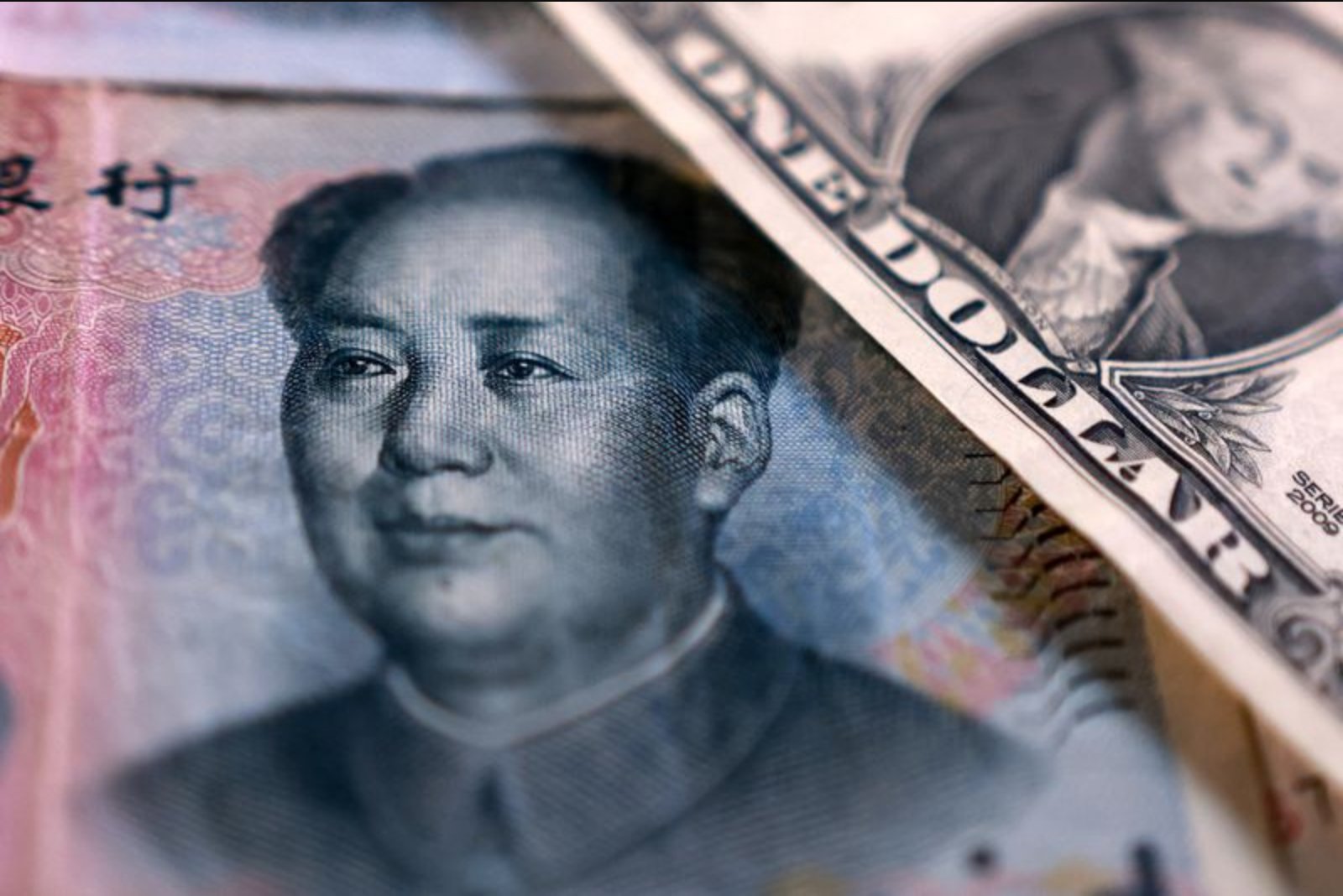
BEIJING/SHANGHAI, Feb 27 - China’s central bank took action on Friday to slow the yuan’s rapid rise by abolishing a reserve requirement on foreign-exchange forward contracts, a measure expected to make dollar purchases less costly for market participants and relieve pressure on exporters facing currency-related losses.
The People’s Bank of China said it would remove the 20% reserve requirement on forex forward contracts effective March 2, declaring its intention to keep the yuan’s exchange rate at a "reasonable and balanced level." The decision followed a surge in the yuan that pushed it to a near three-year high against the dollar on Thursday and a subsequent pullback on Friday.
The currency has strengthened more than 7% against the dollar since last April, a rally officials appear intent on slowing. Analysts and market commentators noted the central bank’s steps on Friday - including setting a weaker-than-expected trading band for the currency - represent the most forceful attempt so far to check the months-long appreciation.
"It means the PBOC is intervening as the yuan’s appreciation is too fast," said Yuan Tao, an analyst at Orient Futures. He added that the measure is likely to moderate the pace of appreciation, though he expects the dollar to remain weak.
Market strategists and banks framed the move as lowering the cost of positioning against the yuan. "It would make it less punitive for market participants to bet against the yuan," Maybank said in a client note, and concluded that the central bank clearly wants the pace of appreciation to slow.
While a firmer yuan can boost the appeal of Chinese assets to foreign investors and reduce the cost of imports, it imposes direct pressure on exporters whose receipts are predominantly in dollars. A growing list of listed companies have attributed lower profits or negative impacts to the currency’s strength.
Beijing Ultrapower Software Co blamed the stronger yuan for contributing to a 28% plunge in its 2025 profit. "The company’s revenues are mainly settled in the dollar, so we swung to forex conversion losses" as the dollar fell, the firm said in a flash earnings statement.
Other listed firms have reported similar strains. Suzhou Junchuang Auto Technoloies said the yuan’s strength contributed to a 31% slump in its 2025 profit, and robot maker Ninebot, Shenzhen Hello Tech Energy Co and Shenzhen Hui chuang Da Technology also disclosed negative impacts from appreciation of the renminbi.
On the market front, the PBOC’s intervention comes amid heavy activity by exporters selling dollars in both spot and forwards markets, and importers delaying dollar purchases for payments. Official forex settlement data showed net foreign-exchange inflows of $79.9 billion in January, the third-biggest monthly total on record, following record inflows in December.
Market participants described the recent dynamic as a rush to offload dollars, which has contributed to the upward pressure on the yuan. Liu Yang, general manager of the financial market business department at Zheshang Development Group, said the central bank’s move should free some pent-up demand for buying dollars through forwards and help rebalance supply and demand in the market in the near term.
At the same time, the relatively modest scope of the measures suggests the central bank does not see a high risk of a sharp depreciation and still perceives room for further appreciation, according to Liu.
Last year the yuan recorded its largest annual gain against the dollar since 2020, and that momentum has carried into the new year amid expectations for strong export performance. Chinese shippers have reportedly found more buyers in markets outside the U.S. after Washington increased tariffs, a development that has helped offset weak domestic demand weighing on the broader economy.
Economists tracking currency moves noted the renminbi’s strength has persisted even though the dollar has been largely stable, a pattern they interpret as market conviction that the currency was undervalued. "The renminbi has been strong even as the dollar is largely stable, suggesting strong market conviction that it’s undervalued," said Xu Tianchen, a senior economist at the Economist Intelligence Unit.
The central bank’s policy shift highlights the urgency for companies with dollar-settled revenues to consider hedging strategies, given a string of profit warnings and earnings impacts tied to currency swings. The regulator’s steps aim to slow the pace of appreciation without triggering disorderly moves in the opposite direction, while allowing exporters and importers to adjust their FX positions with somewhat lower forward costs.
Summary
The People’s Bank of China removed a 20% reserve requirement on forex forward contracts to make it less costly for participants to buy dollars and slow the yuan’s rapid appreciation. The yuan recently hit a near three-year high and is up more than 7% since last April. The central bank signaled it will keep the currency at a "reasonable and balanced level," while exporters and several listed companies reported profit hits tied to the stronger currency. Official data showed sizeable forex inflows in January, and authorities expect the measure to help rebalance supply and demand in FX markets.
Key points
- PBOC will remove the 20% reserve requirement on forex forward contracts from March 2 to slow the yuan’s rapid appreciation and encourage dollar buying.
- Yuan reached a near three-year high and has gained more than 7% against the dollar since last April, prompting concern about the pace of appreciation.
- Exporters have been selling dollars aggressively, and several listed companies reported profit declines attributable to currency conversion losses; official data showed $79.9 billion of net forex inflows in January.
Risks and uncertainties
- Continued pressure on exporters - Stronger yuan and continued appreciation could further erode profits for exporters with dollar-denominated revenues, as seen in several listed companies.
- Market volatility in FX - A swift policy response could cause fluctuations in spot and forward markets as participants adjust positions, especially given large recent inflows and heavy forward activity.
- Limited policy scope - The relatively mild measures suggest authorities do not expect a major depreciation risk, but this also leaves uncertainty about whether steps will be sufficient to temper appreciation without broader interventions.
Tags: forex, yuan, exporters, PBOC, China