
Pakistan's central bank has revised up its growth outlook for the fiscal year and signalled confidence that the economy's rebound is wider and more durable than some external forecasts indicate. The State Bank of Pakistan (SBP) now sees growth of 3.75-4.75% in fiscal 2026, with the upper bound at 4.75%, a revision that raises the midpoint by 0.5 percentage point versus its prior range.
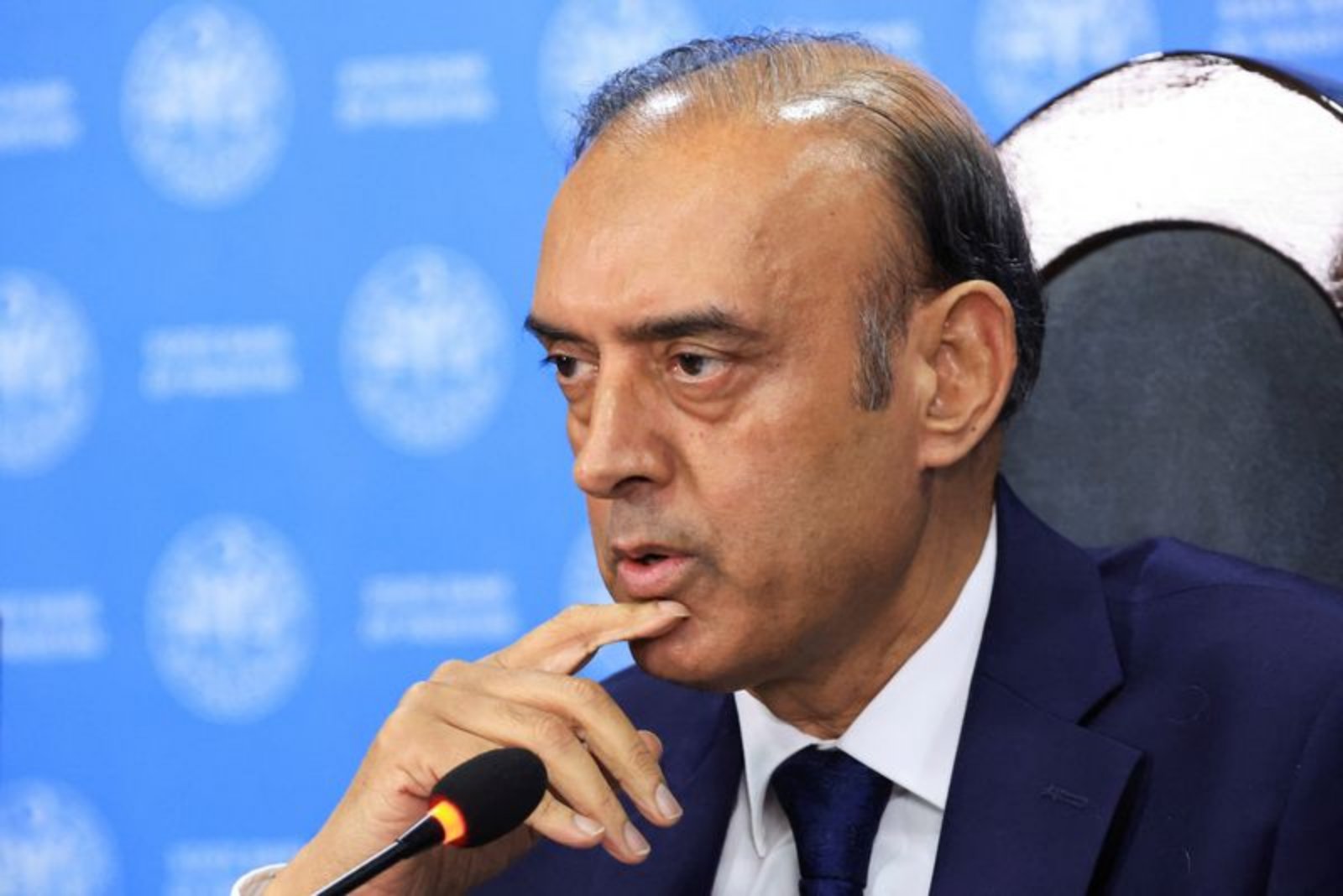
Governor Jameel Ahmad, responding in writing to questions, pushed back on a recent downgrade by the International Monetary Fund and said the difference in projections reflected timing and methodological factors rather than a fundamental divergence in the economic picture. He noted that the IMF's latest outlook incorporated flood-related assessments, which influenced its estimates.
"All these sources and indicators, along with FY26-Q1 data, point to a broad-based recovery in all three sectors of the economy," he said. The governor added that agricultural activity had held up in the face of last year's floods and "it is even performing better than its targets." He framed this resilience as central to a recovery spanning agriculture, industry and services.
Despite a contraction in exports during the first half of the fiscal year and a widening trade deficit, the SBP signalled that other forces were cushioning the external position. Ahmad said the decline in exports largely reflected low global prices and border disruptions rather than a drop in domestic production or competitiveness.
Large-scale manufacturing appears to be a bright spot, with 6% growth recorded in the July-November period, a figure the governor cited as evidence of strengthening demand. At the same time, the SBP noted that financial conditions have eased materially after a cumulative 1,150-basis-point reduction in the policy rate since June 2024. The central bank said the full impact of that easing was still working its way through the economy, supporting activity while maintaining price and economic stability.
The monetary authority held its benchmark policy rate at 10.5% at its most recent meeting, a decision that went against market expectations for a cut. Ahmad suggested that, even with the pause, the prior rate cuts were transmitting into the real economy.
External financing dynamics are central to the sustainability of the recovery. Pakistan is emerging from a balance-of-payments crisis under a $7 billion IMF programme, and previous episodes of faster growth have at times produced currency pressure and declines in foreign exchange reserves. Ahmad said the current account deficit should remain within 0-1% of GDP this fiscal year because robust remittance inflows have offset the wider trade gap and helped lift reserves above programme targets. He also anticipated additional remittance inflows tied to the Eid festival.
Looking at potential upside to the current assessment, the governor noted that any decision by the government to tap global capital markets for debt issuance would strengthen external buffers beyond existing expectations. As part of efforts to diversify funding sources, Pakistan plans to issue panda bonds - yuan-denominated debt sold in China’s domestic market - timed around the upcoming Lunar New Year.
On operational measures, Ahmad said the central bank has consistently purchased dollars in the interbank market to bolster foreign exchange buffers and that those transactions are reflected in regularly published data. While he judged that macroeconomic stability had improved, he cautioned that structural reforms remain essential to sustain higher growth and to raise productivity over the medium term.
The SBP's revised forecast and public stance underline a cautious optimism: authorities see growth strengthening across sectors and external risks being mitigated by remittances and targeted interventions, but they continue to emphasise the need for reforms to lock in durable gains.