
European and Arab officials who have been briefed on assessments of Iran’s internal stability report that the recent air campaign by U.S. and Israeli forces has not weakened the regime’s grip on power. According to those officials, Iran appeared prepared for the strikes and retained command structures designed to survive attempts at decapitation.
Officials told briefers that those command systems remained largely intact in the initial days of the campaign, allowing Iranian forces to carry out retaliatory strikes against Israel, Qatar and Bahrain within hours of the first attacks. The rapidity of those responses was cited as evidence that central control mechanisms were functional.
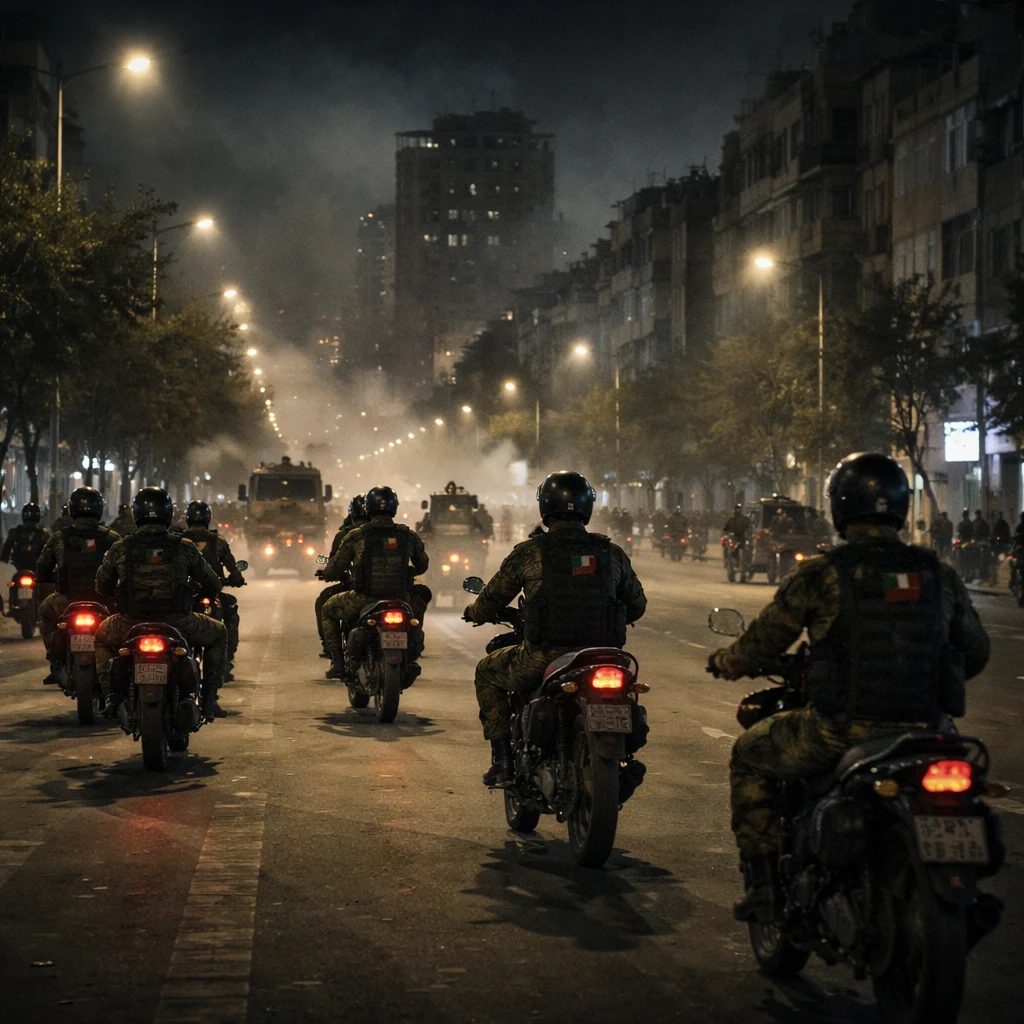
Inside Iran, residents described a noticeable increase in security presence on city streets. Paramilitary Basij units were reported to be conducting visible patrols on motorbikes. These on-the-ground measures contributed to officials' assessments that the state was taking steps to reinforce order and deter unrest amid the strikes.
Despite the scale and reach of the attacks, the briefed European and Arab officials said they had not observed significant defections among regime ranks nor widespread popular uprisings. U.S. intelligence, according to a person familiar with the operation who spoke on condition of anonymity, also detected no indications of uprisings or notable defections during the campaign’s opening days.
"There’s not a single sign of anything in the system breaking or defecting. Nothing. Zero," a senior European official said, speaking on condition of anonymity while describing government briefings on the latest evaluations of Iran’s resilience. "The control is complete," the official added.
The same official noted awareness of reports that suggested some regime security personnel had not reported for duty. The official said these absences could reflect standing orders to avoid assembling in compounds or barracks where they might be targeted, rather than evidence of disloyalty or collapse.
Assessments described by the briefed officials emphasize resilience of command-and-control arrangements, visible domestic security measures, and a lack of early signs pointing to internal fracture. At the same time, the officials' reports reflect the limitations of available information during ongoing operations and the inherent uncertainty in judging stability in real time.
Summary of findings
- Command structures within Iran remained largely functional, enabling swift retaliatory strikes.
- Increased internal security presence, including Basij patrols on motorbikes, was reported by residents.
- No early evidence of major defections or popular uprisings was detected by briefed European and Arab officials or, in the initial days, by U.S. intelligence sources.