
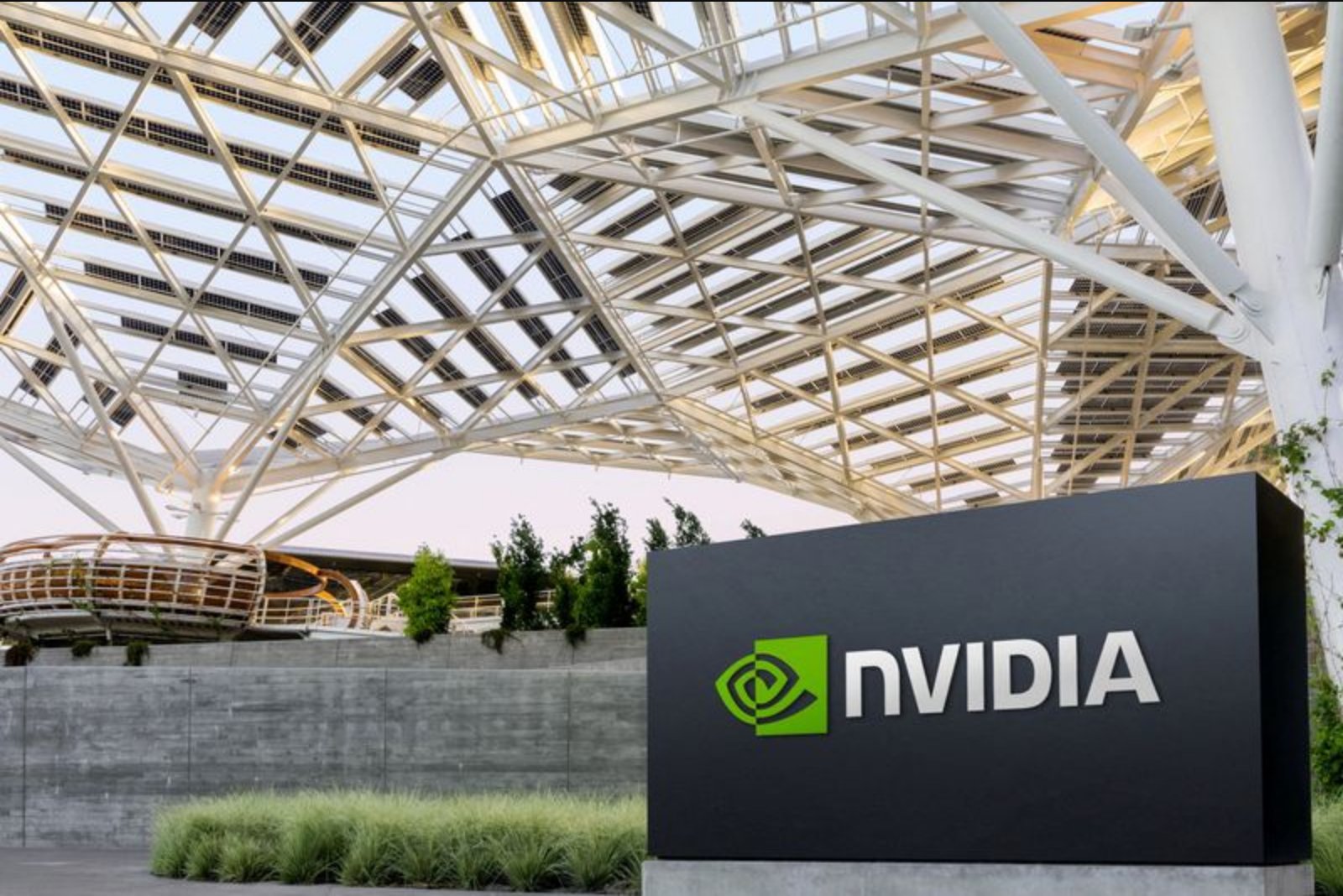
Feb 20 - Nvidia's scheduled quarterly results have become the central event for financial markets this week, arriving as a mix of policy, geopolitical risk and economic data threatens to amplify market volatility. A late-Friday U.S. Supreme Court ruling that struck down key elements of President Donald Trump’s tariff plans has injected further uncertainty into trade tax regimes, complicating decisions for investors and companies trying to map which goods could face new duties, at what levels, and from which exporting nations.
Below are the main developments investors will be watching in the days ahead.
1 - NVIDIA’S MOMENT
Nvidia, a bellwether for artificial intelligence computing, is due to publish quarterly results on Wednesday and the report is expected to dominate trading floors. The semiconductor giant, which currently sits as the world’s largest company by market capitalization, faces scrutiny over the pace and profitability of AI-related spending across the tech ecosystem.
Since the debut of ChatGPT in late 2022, Nvidia’s share price has climbed markedly, reflecting investor enthusiasm for AI infrastructure. Yet this year has seen momentum cool for Nvidia and other so-called "Magnificent Seven" megacap names, which have collectively shown signs of stalling in 2026. Investors will also turn their attention to upcoming earnings from software companies including Salesforce and Intuit, as software stocks have taken a hit amid worries that AI could disrupt existing industry business models.
2 - ANNIVERSARY ANGST
Tuesday marks the fourth anniversary of Russia’s full-scale invasion of Ukraine, a milestone that coincides with continued diplomatic efforts - including U.S. President Donald Trump’s push for a ceasefire - as well as intensified battlefield and economic pressure on Kyiv. Pressure on Ukraine to accept a deal that could involve painful concessions remains acute, particularly as Russian forces continue to target the country’s power infrastructure and make gradual advances on the ground.
Despite these strains, the International Monetary Fund appears poised to approve extended financial support for Kyiv, a development that has buoyed Ukrainian sovereign bonds. Markets are also on edge over the prospect of U.S. military action against Iran, a point that has helped drive volatile oil prices. Defence contractors and gold have been among the beneficiaries amid rising geopolitical uncertainty.
Analysts point to a crowded slate of hotspots this year - including tensions involving Greenland and Venezuela, as well as ongoing crises in Gaza, parts of Africa and Taiwan - describing a period in which one international crisis can quickly feed into concerns about another.
3 - STILL RUNNING HOT
Investors will be watching Australia’s consumer price index reading on Wednesday for signs of persistent inflation. The data is expected to influence expectations that the Reserve Bank of Australia could deliver another rate increase later this year as the economy remains robust and underlying price pressures persist.
This month the RBA became the sole G10 central bank outside Japan to raise policy rates, a move reflecting difficulty in cooling inflation in a supply-constrained environment. Any upside surprise in Australia’s CPI could further cement market bets on a 25 basis-point hike in May, which would push the cash rate to 4.10%.
Elsewhere in Asia, Japan’s inflation figures due on Friday are unlikely to materially change the Bank of Japan’s outlook in the immediate term. Observers note that Prime Minister Sanae Takaichi’s electoral victory has cleared the political path for potential further BOJ tightening, with markets currently pricing in two rate hikes by December.
4 - KEIR PRESSURE
British Prime Minister Keir Starmer faces a possible political reckoning on Thursday when a one-off by-election in Manchester could produce a damaging result for his leadership. Investors are paying attention to the contest because the emergence of a more left-leaning successor could raise expectations for increased public spending and borrowing, adding to the supply of government bonds coming to market.
Earlier this month the U.K. experienced gilt and sterling volatility amid a political storm over what Starmer knew regarding Peter Mandelson’s alleged ties to Jeffrey Epstein at the time of Mandelson’s appointment as ambassador to the United States. Markets calmed after Starmer’s cabinet rallied behind him, and recent U.K. bond sales attracted record demand as investors bought into elevated yields. If Labour suffers a heavy defeat in the Gorton and Denton seat to Nigel Farage’s Reform party or the Greens, traders warn Friday could bring renewed market turbulence.
5 - MUCH ADO ABOUT NOTHING?
European Central Bank succession speculation picked up pace after a Financial Times report suggested Christine Lagarde plans to leave the ECB presidency early. Lagarde has told the Wall Street Journal she expects her duties to continue until the end of her term, but traders are nonetheless focused on who might replace her at one of the world’s most influential central banks.
The FT report cited suggestions that an early departure would allow outgoing French leader Emmanuel Macron to have input on the choice of Lagarde’s successor. While it is still early, Friday’s preliminary February inflation readings for Germany, France and Spain are expected to reinforce forecasts for steady rates through the remainder of 2026. That backdrop has encouraged a market guessing game over the next ECB chief and raised questions among some observers about the potential for political influence over central bank appointments.
What to watch next
Across global markets, the week’s combination of a major corporate earnings event, fresh trade-policy uncertainty, geopolitical flashpoints, and a string of inflation prints will keep traders and policymakers on high alert. The implications span multiple sectors - from semiconductors and software to energy, defence and fixed income - and could drive pronounced moves in equity, commodity and bond markets depending on how these stories evolve over the coming days.
Summary prepared from key market themes and scheduled events for the week.