
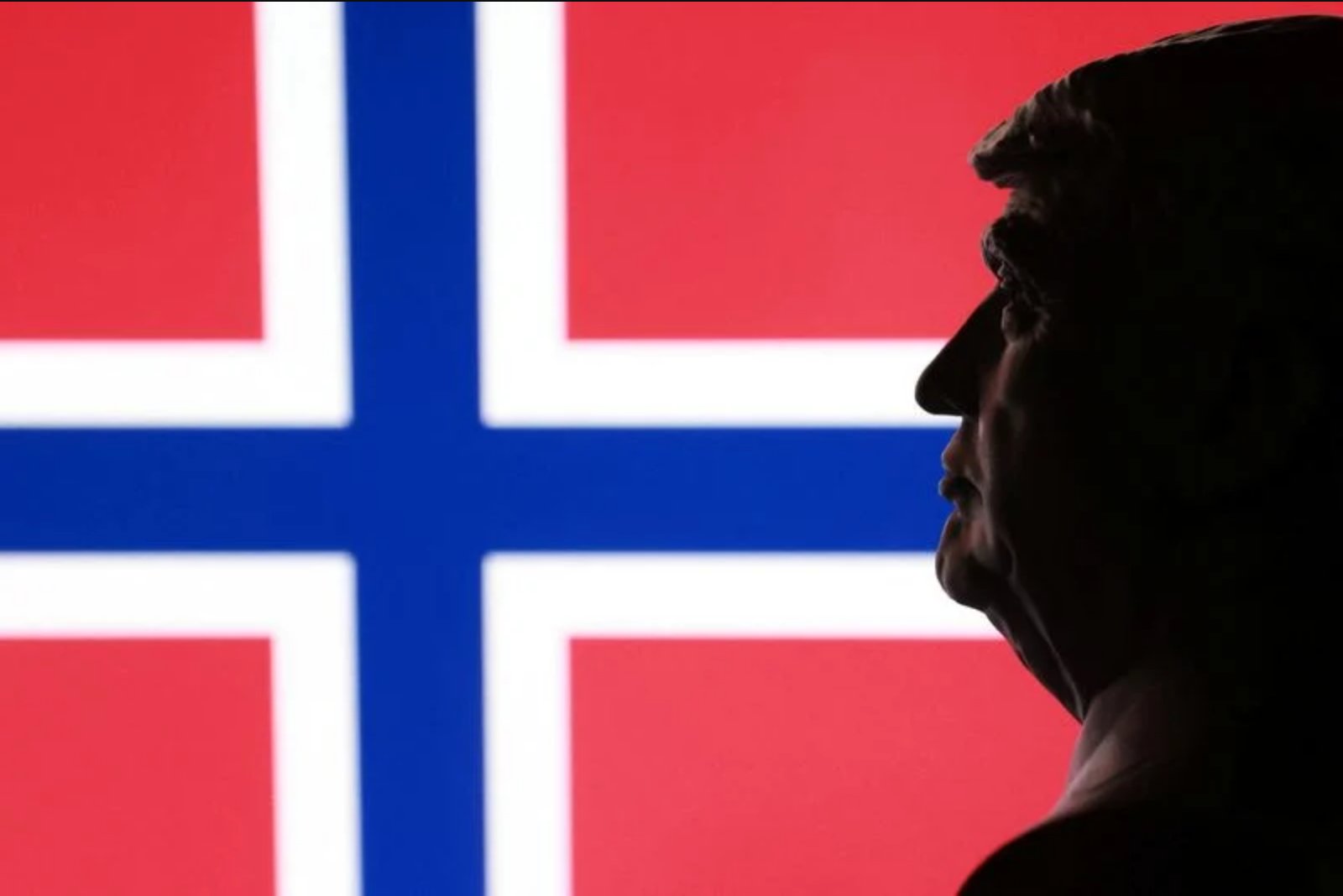
Norway has formally disputed a U.S. determination that the Nordic country has failed to prevent forced labour, its foreign minister said, describing the allegation as unfounded and cautioning that it should not be used as a rationale for new trade tariffs.
The U.S. administration recently proposed tariffs of as much as 12.5% on imports from 60 countries, among them Norway, citing a finding that those countries had not done enough to prevent trade in goods produced with forced labour. Many of those trading partners rejected the U.S. assessment.
"We strongly disagree with the U.S. authorities' assessment that Norway is not doing enough to prevent forced labour," Espen Barth Eide, Norway's minister of foreign affairs, said in a statement late on Thursday. He said the charge was unfounded and added that Norway has been proactive on the issue.
Barth Eide pointed to national legislation designed to curb forced labour in supply chains, noting that "Norway was among the first countries to introduce legislation to prevent forced labour in supply chains, through the Transparency Act." He said Norwegian authorities had made their actions clear to their U.S. counterparts.
The proposal by the U.S. administration to impose tariffs is intended to target imports from nations the U.S. says have not sufficiently prevented the trade of goods produced with forced labour. The proposed levies could reach 12.5% and apply to goods from 60 countries.
Outside observers and interest groups have questioned whether tariffs will effectively reduce instances of modern slavery. Experts, business organizations and some human rights groups have warned that imposing new duties may do little to combat forced labour and could, in some circumstances, make outcomes worse.
For Norway, the dispute ties together policy on human rights, supply chain transparency and trade relations. The government's stance emphasizes domestic legal measures already in place and communicates a desire for dialogue rather than punitive trade actions as the route to addressing forced labour concerns.
Summary
Norway rejects a U.S. finding that it has not done enough to prevent forced labour and opposes the use of tariffs as a remedy. The U.S. proposed tariffs of up to 12.5% on imports from 60 countries it says have failed to curb goods made with forced labour. Critics caution tariffs may be ineffective and risk unintended consequences.