
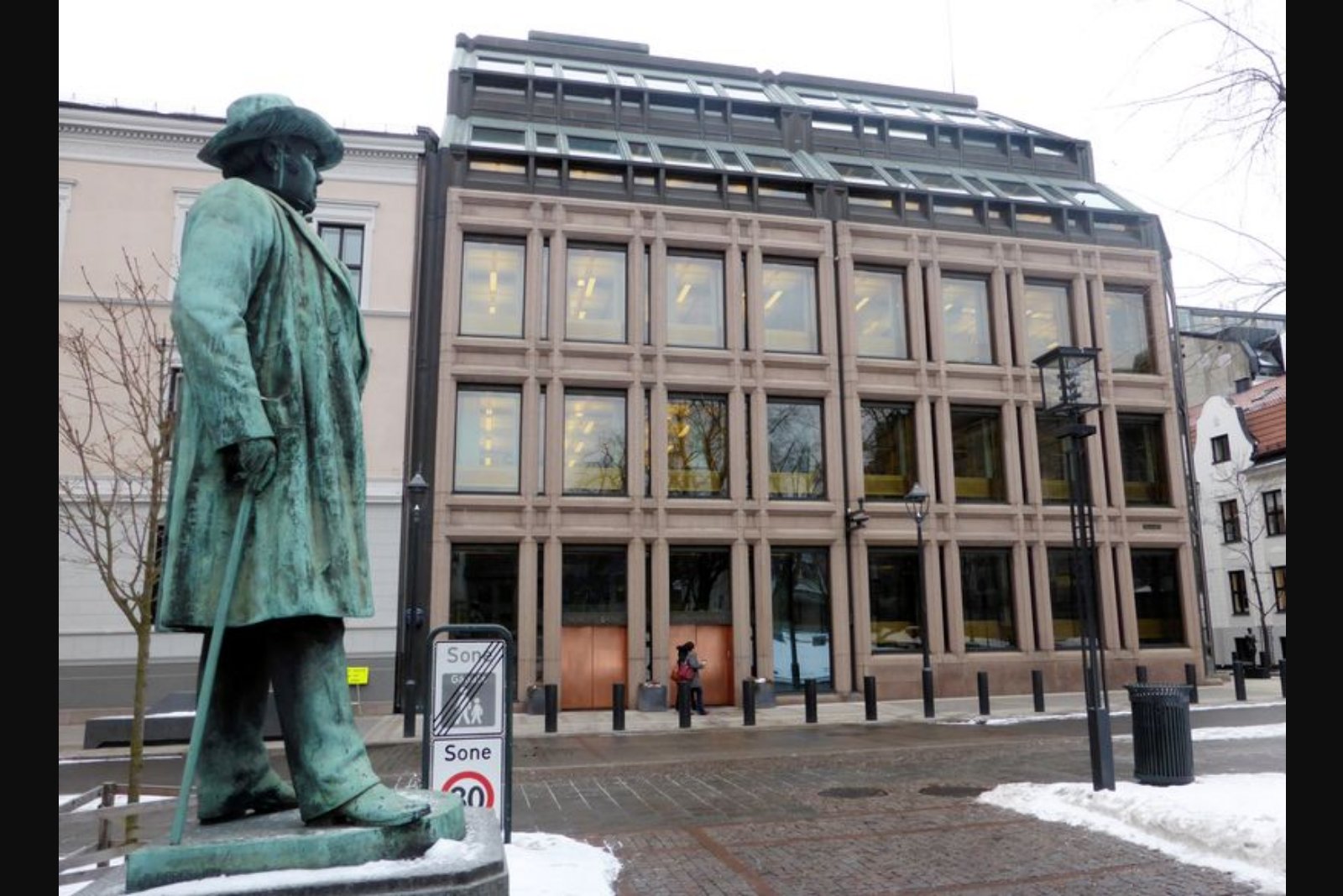
OSLO, Feb 12 - Norway’s central bank reiterated that it will bring inflation down to its 2% objective, but its governor warned that recent data have complicated the outlook for future policy easing.
In an annual address to government and business leaders on Thursday, Norges Bank Governor Ida Wolden Bache said the bank remains focused on getting inflation back to target but pointed to fresh evidence that the disinflation path may be less smooth than expected. "According to figures published this week, inflation increased in January and was higher than we had expected," she said. "We will ensure that inflation is brought back to 2%."
The warning follows an unexpected uptick in Norway’s annual core inflation, which accelerated to 3.4% year-on-year in January from 3.1% in December. That reading surpassed the average economist forecast of 3.0% in a Reuters poll and was above Norges Bank’s own estimate of 2.9% for the month. The higher-than-expected inflation print contributed to a rally in Norway’s currency against the euro.
Bache noted that the Norwegian economy is experiencing a modest expansion and that households should continue to see rising purchasing power, but she declined to tie the most recent inflation figures to a revised interest rate path. "These past years have reminded us that the outlook can change abruptly. That is why we do not make any promises about the policy rate," she said.
Norges Bank began easing policy in 2025, cutting its policy rate by 50 basis points to 4.0%, and in December signalled an intention to reduce borrowing costs slowly this year and toward 2028 as inflation was expected to fall. The January inflation surprise has led analysts to suggest the bank may need to pause or even reverse planned rate cuts, though the central bank has not adjusted its schedule publicly. The bank is scheduled to publish its next rate decision and long-term policy outlook on March 26.
In her speech, Bache also said Norges Bank will increase transparency around the deliberations of its monetary policy committee this year. The bank plans to provide more insight into committee discussions without attributing individual views to specific members. "The goal is to provide more nuances and details than today," she said.
On institutional matters, Bache expressed support for a Finance Ministry proposal to conduct periodic reviews of the central bank’s mandate, while cautioning against expanding monetary policy objectives to include matters such as wealth and income distribution or climate change.
She also addressed the sovereign wealth fund, noting that Norway’s $2.2 trillion fund, which is managed by a unit of the central bank, faces differing expectations domestically and internationally on responsible investment practices.
Context and implications
The governor’s remarks underscore Norges Bank’s determination to return inflation to target despite a recent setback in price growth. The divergence between the bank’s and private forecasters’ January estimates and the actual outcome has introduced additional uncertainty into the timing and scale of any further rate reductions that had been signalled earlier.