
Economy February 13, 2026

Nomura Abandons April Rate‑Cut Forecast as Inflation Outlook Firms and 'Stealth' Easing Takes Hold

Broker raises next fiscal year inflation forecast after India shifts CPI methodology; call-rate dynamics reduce urgency for immediate policy easing

By Jordan Park
Nomura Abandons April Rate‑Cut Forecast as Inflation Outlook Firms and 'Stealth' Easing Takes Hold

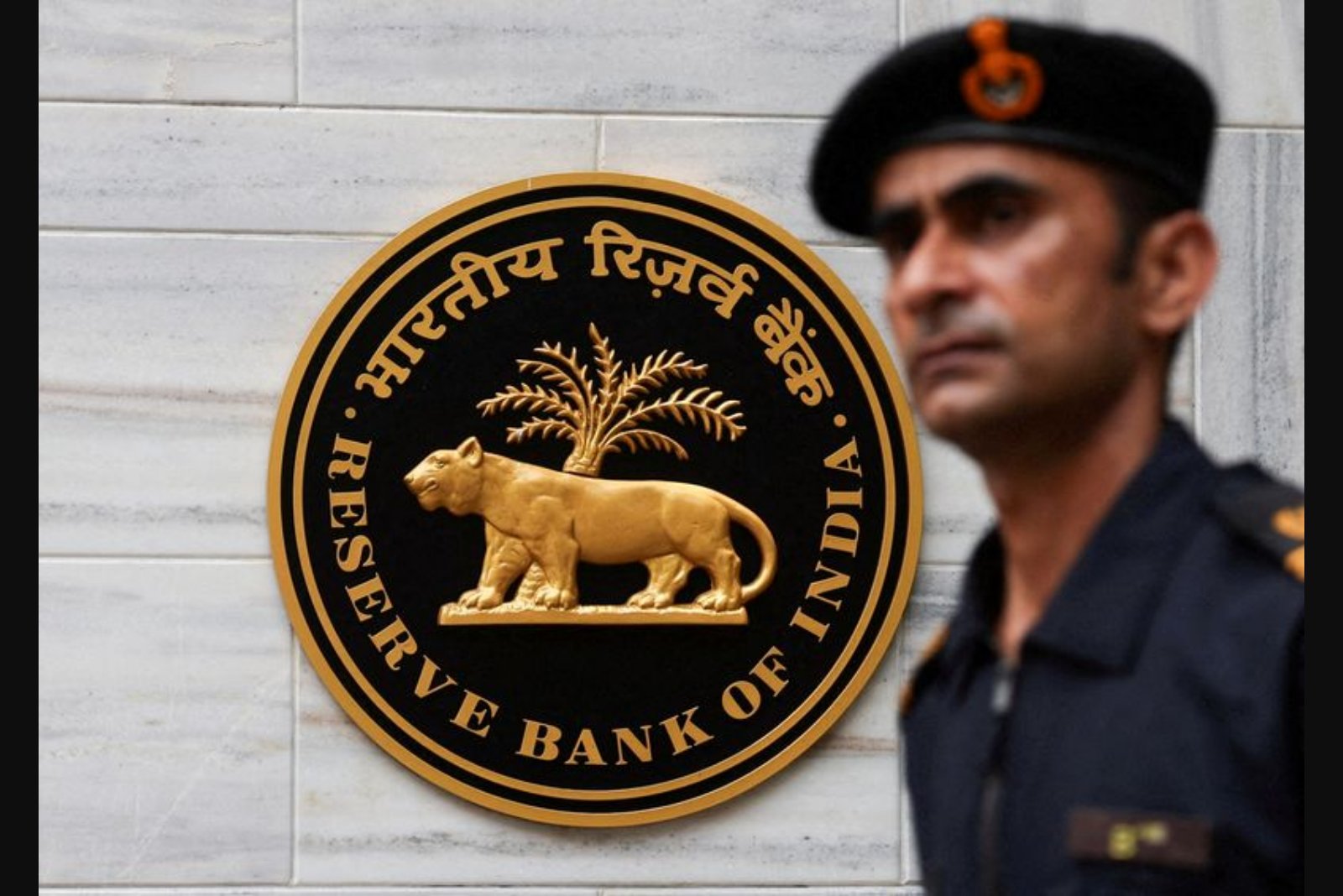
Nomura now sees no April cut by the Reserve Bank of India, citing firmer inflation under a revised consumer price index series and what it calls 'stealth easing' that has already pushed money-market rates toward the repo rate floor. The brokerage raised its inflation projection for the fiscal year starting April and expects modest upward revisions to near-term inflation under the new series.

Key Points

  • Nomura no longer expects an April policy rate cut by the Reserve Bank of India, citing firmer inflation and recent money-market developments.
  • India released a revised consumer price inflation series that changes weightings for food and housing and adds several online services, prompting Nomura to raise its next fiscal year inflation forecast to 4.1% from 3.9%.
  • Nomura says "stealth easing" has driven the call rate toward the 5% floor of the monetary corridor, reducing the immediate need for an official rate cut; this has implications for bond yields, banks, and interest-rate sensitive sectors.

Nomura has dropped its expectation that the Reserve Bank of India will trim its policy rate in April, citing a stronger inflation outlook following the release of consumer price inflation figures calculated under a revised index and the effect of recent money-market movements that the firm describes as "stealth easing."

The bank adjusted its projection for inflation in the coming fiscal year - which begins in April - to 4.1 percent from a prior estimate of 3.9 percent based on the old CPI series. The revised consumer price series alters the weighting of major items such as food and housing and incorporates several online services for the first time to better capture evolving consumption patterns.

Less than a week earlier, Nomura had assigned a 65 percent probability to the Reserve Bank of India implementing a 25 basis point cut to the policy rate, bringing it to 5 percent. That expectation has been rescinded. Nomura now aligns with other forecasters that no April reduction is likely.

Central to Nomura's reassessment is the view that "stealth easing" toward a 5 percent effective policy stance has effectively already occurred. The brokerage notes that the RBI targets the weighted average call market rate around the repo rate. Over the past few days the call rate has been hovering near 5 percent - the floor of the monetary policy corridor - which, Nomura argues, diminishes the immediate necessity for an on‑the‑books rate cut.

Under the new CPI series Nomura expects a 10 basis point upward revision to its inflation forecast for the January-June period. That upside grows to between 20 and 50 basis points in the second half of the fiscal year, according to the firm.

At the same time, Nomura highlights that one-year forward inflation is expected to slip back below 4 percent, a development that it says mitigates the case for any near-term rate hikes. The RBI's inflation target range remains 2 percent to 6 percent.


While Nomura has withdrawn its probability-weighted view of an April cut, its analysis rests on two linked observations drawn from recent data and market behavior: the statistical impact of the new CPI series on headline inflation readings, and the compression of money-market rates toward the repo floor, which the brokerage interprets as an implicit easing of policy conditions.

Those factors together have led Nomura to conclude that the RBI is more likely to pause than to cut policy rates at its next meeting, absent further changes to the inflation trajectory under the new measurement series.

Risks

  • Inflation readings may be higher under the new CPI methodology, raising upside risk to price pressures and affecting real incomes and consumption patterns - impacting consumer-facing sectors such as retail and housing.
  • If money-market rates retreat from the repo floor, the perceived "stealth easing" effect could fade, renewing pressure for explicit policy action and increasing volatility in bond and interbank markets - affecting banks and fixed-income investors.
  • Uncertainty around how the new CPI series will evolve over the fiscal year creates ambiguity in policy planning, which could influence credit conditions and business investment decisions across the economy.

More from Economy

Trump Vows Fresh 10% Global Tariff After Supreme Court Limits His Trade Authority Feb 20, 2026 Supreme Court Ruling Narrows Presidential Tariff Options, Treasury Secretary Says Feb 20, 2026 Supreme Court Curbs Emergency Tariff Authority, Sparking Market and Policy Reactions Feb 20, 2026 Brazil Says U.S. Supreme Court Decision Restores Country's Edge in American Market Feb 20, 2026 Musalem Says Fed Stance Appropriate; One-for-One Tariff Replacement Would Barely Shift Outlook Feb 20, 2026